Monroe County seeks federal help to track, protect Key deer
County commissioners approved a push for Washington help as Key deer on Big Pine Key face road strikes, habitat pressure and shrinking room to move.
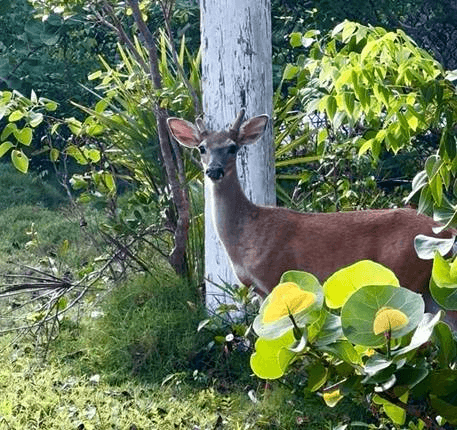
The Monroe County Board of County Commissioners approved a resolution asking Washington for help to strengthen how Key deer are tracked and protected on Big Pine Key. The move puts one of the Lower Keys’ most watched species back at the center of local road safety and development decisions, where habitat, traffic and daily human activity overlap.
County leaders want better monitoring of the federally endangered Key deer, Odocoileus virginianus clavium, the smallest subspecies of white-tailed deer. In the Lower Keys, especially around Big Pine Key and No Name Key, more precise tracking can show where deer are moving, how many are present and which crossing areas need more attention. That matters because vehicle strikes, habitat pressure and shifting herd patterns all play out in the same narrow landscape where people live, drive and build.
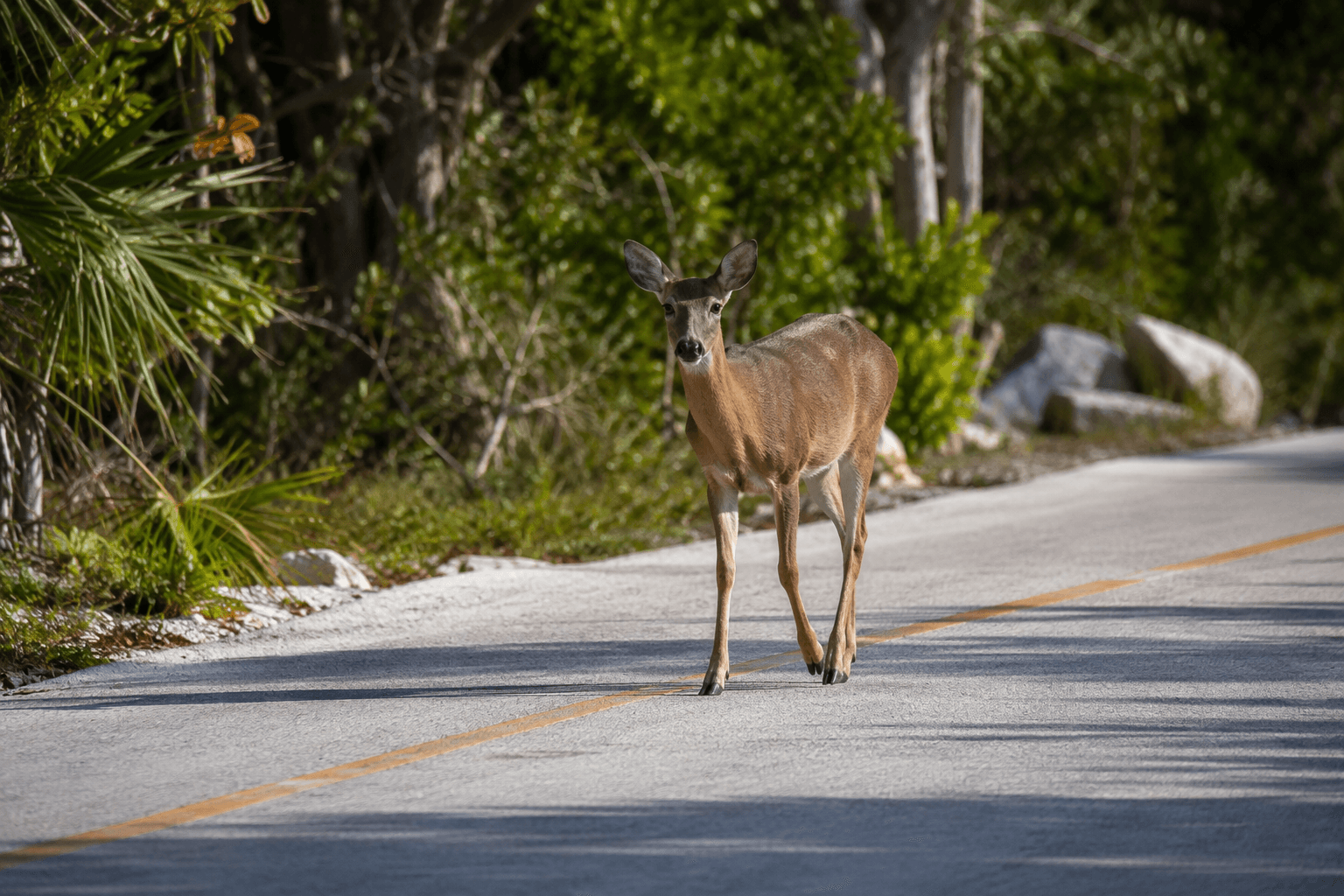
The request also reflects how long the issue has been on the federal radar. The U.S. Fish and Wildlife Service published a Key Deer Recovery Plan Amendment on July 12, 2022, and sought public comment on the amended plan that same month. In July 2023, the agency highlighted Key deer living in a wildland-urban interface, underscoring how closely the animals share space with homes, roads and development. A National Key Deer Refuge Transportation Study Report completed in July 2011 by the Federal Highway Administration, in cooperation with the Fish and Wildlife Service and the refuge, shows roadway safety has been part of the problem for years.
Monroe County has already prepared a Habitat Conservation Plan for Florida Key deer and other protected species on Big Pine Key and No Name Key for the Fish and Wildlife Service. That makes the new resolution less about starting from scratch than about seeking the federal backing needed to improve data collection and sharpen the county’s response to where the deer are most exposed.
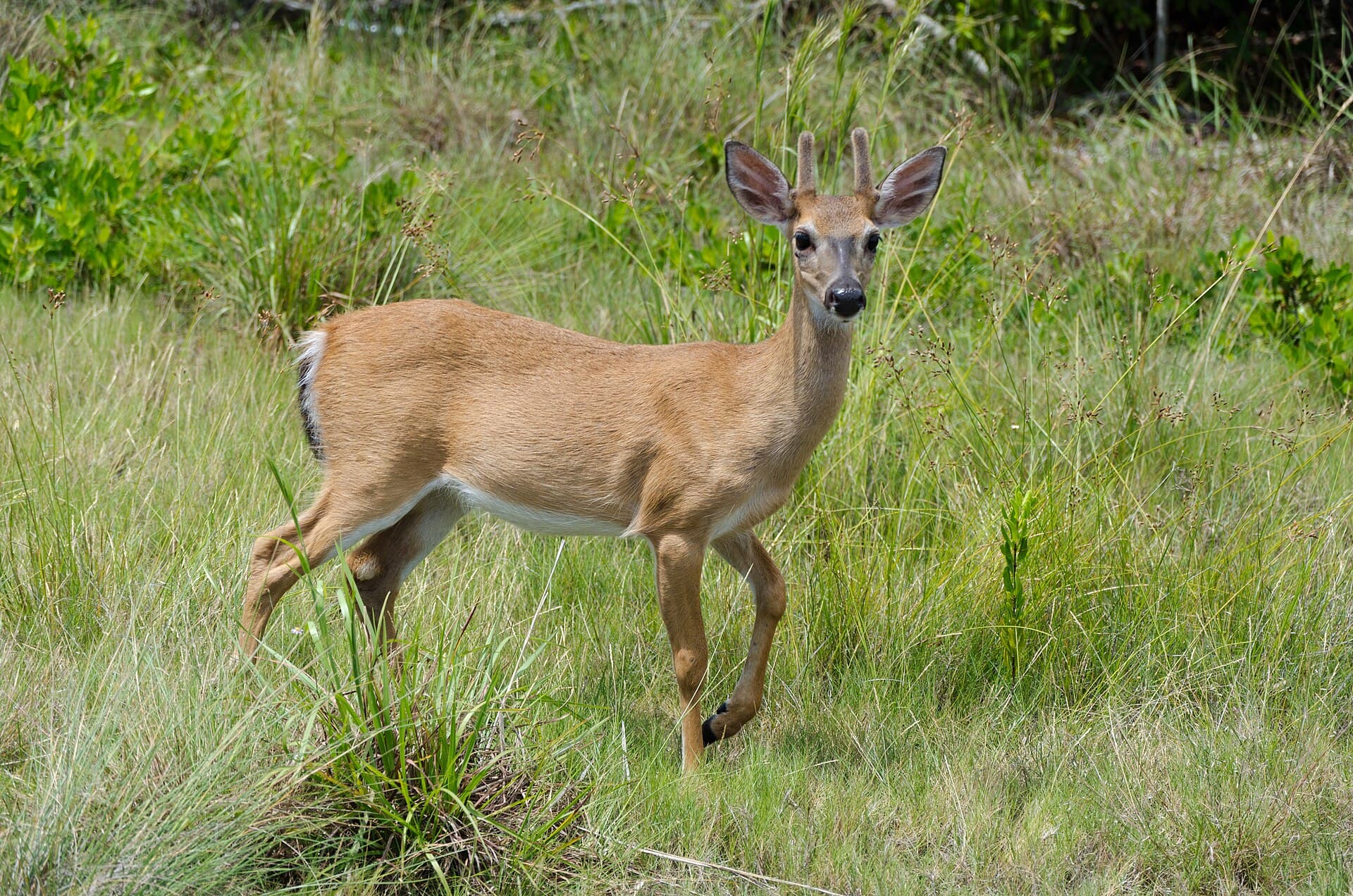
The Florida Fish and Wildlife Conservation Commission describes Key deer as native, imperiled and federally endangered. For Big Pine Key residents and businesses, the county’s push ties wildlife protection directly to the practical questions that shape the Lower Keys: where roads should be safer, how future development should be guided and how quickly local officials can respond when the herd’s movements change.
This article was produced by Prism’s automated news system from verified source data, official records, and press releases, then run through automated quality and moderation checks before publishing. The system is built and supervised by the people who set the standards it runs under. Read our full AI policy.
Did this article answer your question?