Monroe County Wildlife Primer, Where to See and Protect Nature
This practical primer lays out reliable Monroe County spots and seasonal windows for wildlife viewing, from Key West birding to turtle rehabilitation in Marathon. It matters because responsible viewing sustains local conservation efforts and supports the county economy and residents quality of life.
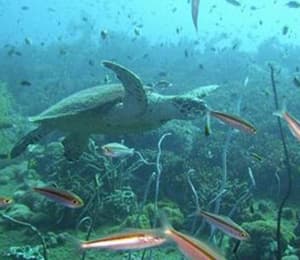
Monroe County offers a wide range of accessible wildlife experiences for residents and visitors, with clear seasonal cues and community programs that make responsible observation possible. Key West Tropical Forest and Botanical Garden is a top spot for birdwatching, native plants, and educational programs. Off Key Largo, John Pennekamp State Park and the Florida Keys reef tract provide snorkeling and diving access to tropical fish, rays, and coral communities, where reef friendly sunscreen and no touch rules help protect sensitive habitat.
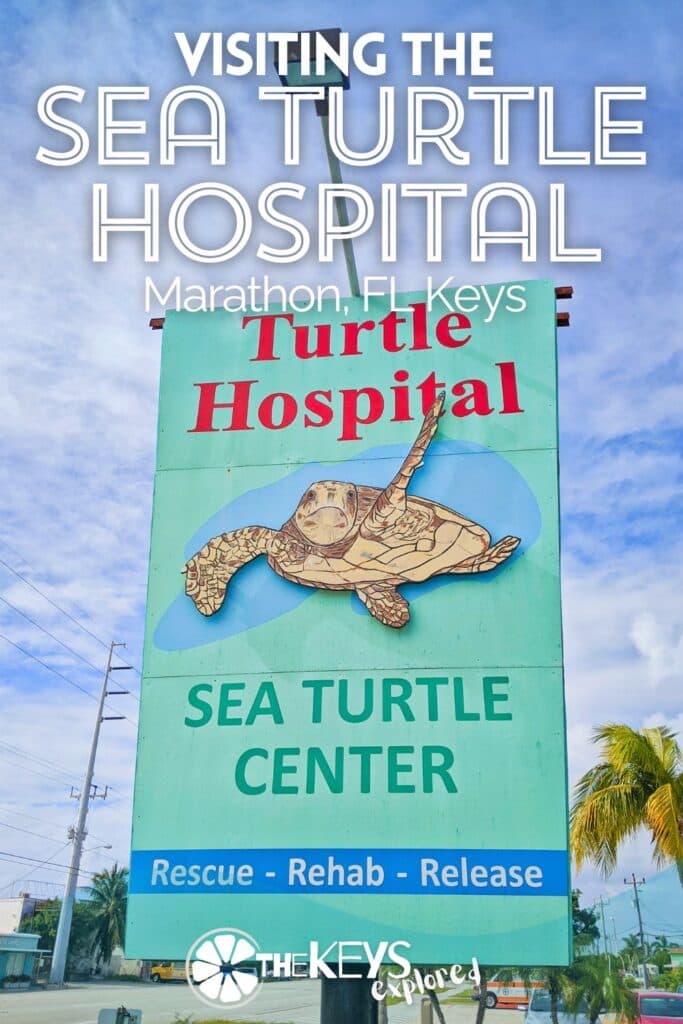
Marathon is home to a well known sea turtle hospital that runs education programs and sometimes stages rehabilitated sea turtle releases when available, making it a strong destination for families and conservation minded visitors. The Lower Keys and Big Pine Key are prime habitat for the endangered Key deer, with early morning and dusk identified as the best windows for respectful observation. Florida Bay and the backcountry are valuable for wading birds and migratory shorebirds, and licensed guides can help visitors reduce impact while maximizing viewing opportunities.
Local volunteer and community programs play a central role in conservation and public engagement. Beach cleanups, shoreline habitat restoration, and citizen science events are common across the Keys. Turtle watching and stranding response work is coordinated by local turtle hospitals and marine rescue organizations that also host volunteer orientations and educational events. For schedules and opportunities residents should consult local conservation group and park agency websites for up to date information.

Practical guidance remains straightforward. Observe quietly from a distance, avoid flash photography and loud noises, and never handle or feed wild animals. Time outings for early morning and late afternoon to increase sightings while lowering disturbance. Be aware that the Florida Keys National Marine Sanctuary and state agencies regulate many activities to protect threatened and endangered species and marine sanctuaries.
Wildlife and natural areas are integral to Monroe County identity and economy. Thoughtful viewing practices and volunteer participation help preserve those assets for residents, support local businesses that rely on nature tourism, and maintain the quality of life that defines the Florida Keys. For event schedules and official guidance contact local conservation groups and park agencies in the Florida Keys.
This article was produced by Prism’s automated news system from verified source data, official records, and press releases, then run through automated quality and moderation checks before publishing. The system is built and supervised by the people who set the standards it runs under. Read our full AI policy.
Did this article answer your question?