NOAA forecasts quieter Atlantic season, Keys urged to stay prepared
NOAA put a 55% chance on a quieter Atlantic season, but Monroe County was warned that one storm can still shut bridges, strand visitors and strain evacuations.

A quieter Atlantic outlook did not change the hard math in the Florida Keys: one storm can still close bridges, strand visitors and cut off fuel, power and evacuation routes from Key West to Key Largo.
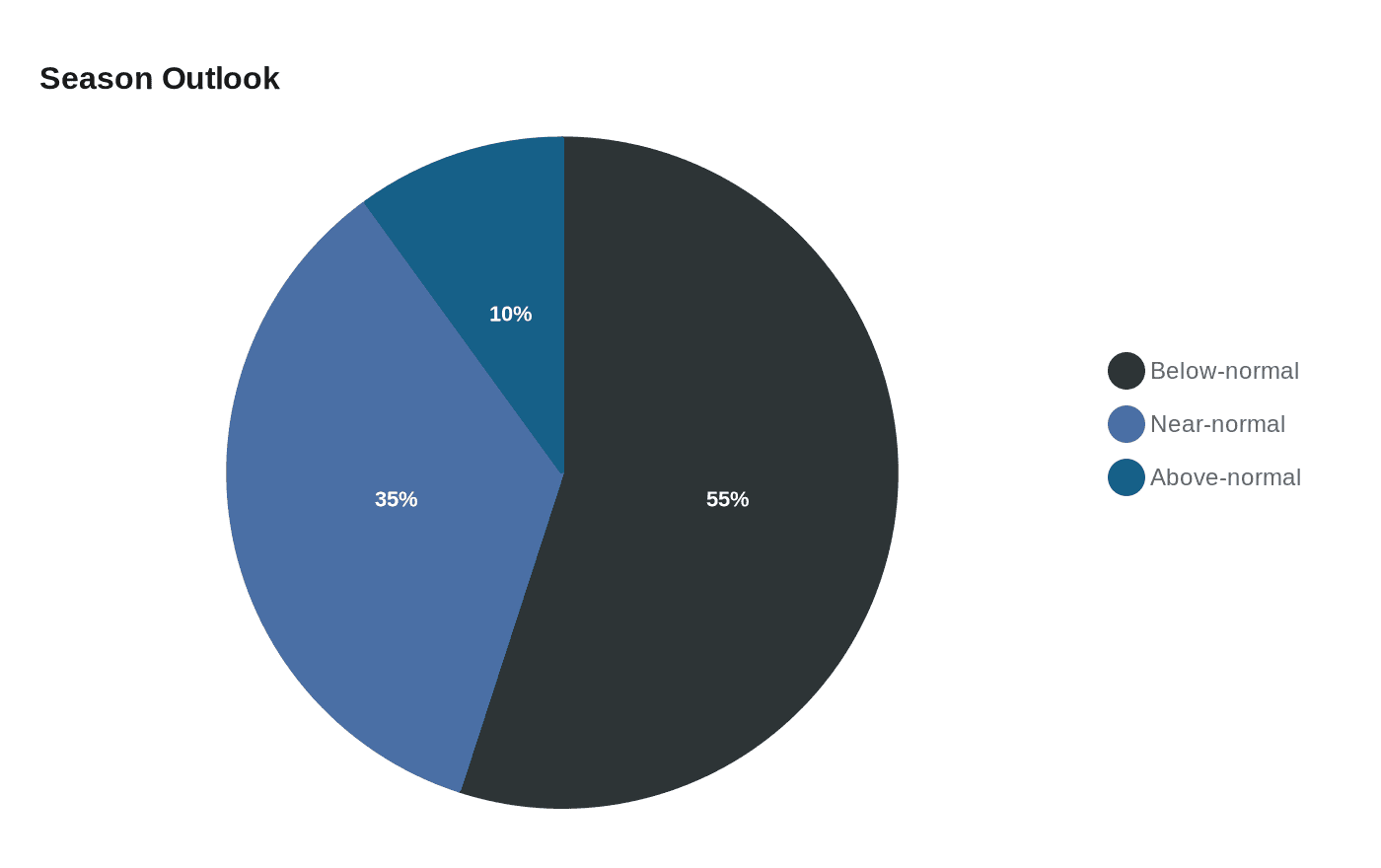
NOAA issued its 2026 Atlantic hurricane season outlook on May 21, calling for a 55 percent chance of a below-normal season, a 35 percent chance of near-normal activity and a 10 percent chance of above-normal activity. Forecasters projected 8 to 14 named storms, 3 to 6 hurricanes and 1 to 3 major hurricanes, and said they had 70 percent confidence in those ranges.
That forecast was driven by competing signals, including a developing El Niño, slightly warmer-than-normal Atlantic waters and weaker-than-average trade winds. But NOAA also stressed that the outlook was not a landfall forecast and did not predict conditions for any particular place. Officials said hurricane-related disasters can happen in any season and that it only takes one storm to cause one.

For Monroe County, that warning carried extra weight. The Florida Keys live with a single-route evacuation system, long lead times and fragile infrastructure, which means even a glancing storm can become a local crisis fast. Bridge traffic can back up in a hurry, fuel deliveries can be disrupted and power restoration can lag after a direct hit or near miss. In a county stretched over the water, preparedness is not a seasonal slogan; it is part of daily survival.
NOAA Administrator Neil Jacobs said even below-normal seasons have produced Category 5 landfalls, and National Weather Service Director Ken Graham emphasized that preparedness remains essential despite a quieter forecast. That message fits the Keys, where residents, business owners and emergency managers know that the difference between a busy summer and a disaster can turn on a last-minute track shift.
The Atlantic hurricane season officially runs from June 1 through November 30, with peak activity usually from mid-August through October. NOAA said the long-term average season includes 14 named storms, 7 hurricanes and 3 major hurricanes, a reminder that even a forecast for fewer storms still leaves plenty of room for danger.
In Monroe County, the practical response has not changed. Residents still need to review supplies, check communication plans, know evacuation routes and prepare for a storm that could develop with little warning. A slower season may lower the odds, but in the Keys it does not lower the stakes.
This article was produced by Prism’s automated news system from verified source data, official records, and press releases, then run through automated quality and moderation checks before publishing. The system is built and supervised by the people who set the standards it runs under. Read our full AI policy.
Know something we missed? Have a correction or additional information?
Submit a Tip