NOAA Sanctuary Leader Retires Today, Leaving Local Reef Efforts in Transition
Bill Goodwin retired today from the Florida Keys National Marine Sanctuary, concluding a 33 year career with NOAA that shaped local reef restoration and training. His departure matters to Monroe County because his work on damage assessment and repair techniques has been a core part of efforts to protect reefs that support fishing, tourism, and shoreline resilience.
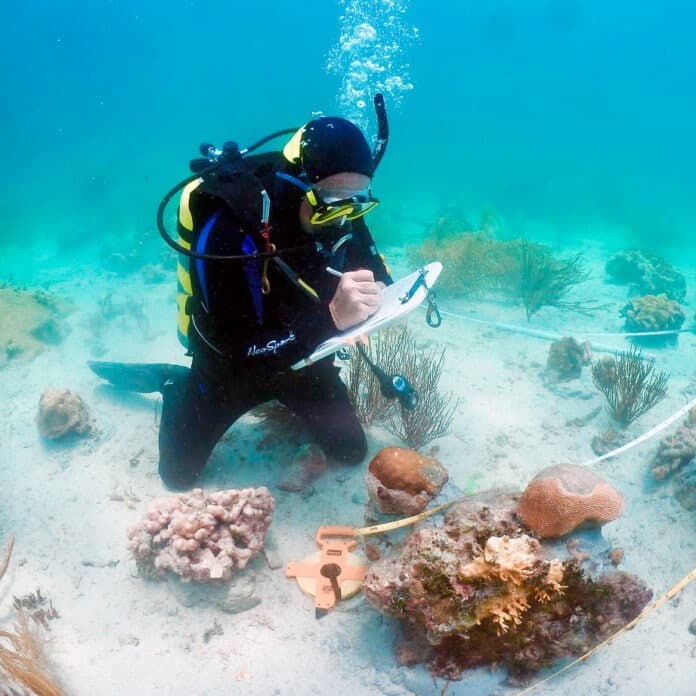
Bill Goodwin stepped down today from his role as a restoration program leader with the Florida Keys National Marine Sanctuary, ending a 33 year tenure with the National Oceanic and Atmospheric Administration. Over more than three decades he moved from assistant manager roles to lead damage assessment and reef restoration techniques that have been applied throughout the region and adapted in marine protected areas worldwide. His retirement marks a change in leadership for sanctuary programs that directly affect Monroe County waters.
Goodwin led initiatives that developed practical methods for repairing coral and training teams to implement them. Those techniques have been used in local restoration projects aimed at stabilizing reef structure, restoring coral cover, and improving habitat for commercially important fish. In practical terms, changes in restoration leadership can influence project pacing, training continuity, and the availability of technical expertise for ongoing and planned interventions in the Keys.
For Monroe County residents, the implications are immediate and concrete. Coral reef condition influences recreational and commercial fishing, dive and boating tourism, and natural protection for shorelines during storm surge events. Local managers and community groups that partner with federal scientists rely on continuity in restoration programs to keep projects on schedule and to maintain the pipeline of trained personnel who perform field work and monitoring. A leadership transition at the sanctuary raises near term questions about staffing, funding priorities, and the handoff of institutional knowledge built over decades.

The broader context is a period of increasing emphasis on scalable restoration and workforce training as reefs face warming seas and periodic disease outbreaks. Goodwin's methods and training programs contributed to the practical toolkit used by restoration practitioners. Sustaining and expanding those programs will require deliberate policy choices, including investment in long term monitoring, funding for field teams, and coordination across local, state, and federal agencies.
Local officials and reef stakeholders will need to press for a clear transition plan that preserves technical capacity in Monroe County. Ensuring that restoration projects maintain momentum will be important for protecting the economic and ecological services reefs provide to the community. As the sanctuary moves to replenish its leadership, the legacy of program design and training left by Goodwin will shape how quickly and effectively local reef work can continue.
This article was produced by Prism’s automated news system from verified source data, official records, and press releases, then run through automated quality and moderation checks before publishing. The system is built and supervised by the people who set the standards it runs under. Read our full AI policy.
Did this article answer your question?