Patrick Joseph Roesser arrested in Florida Keys on DUI charge
Patrick Joseph Roesser was booked in the Florida Keys on DUI and traffic charges, a reminder of how one impaired driver can disrupt Monroe County’s thin road network.

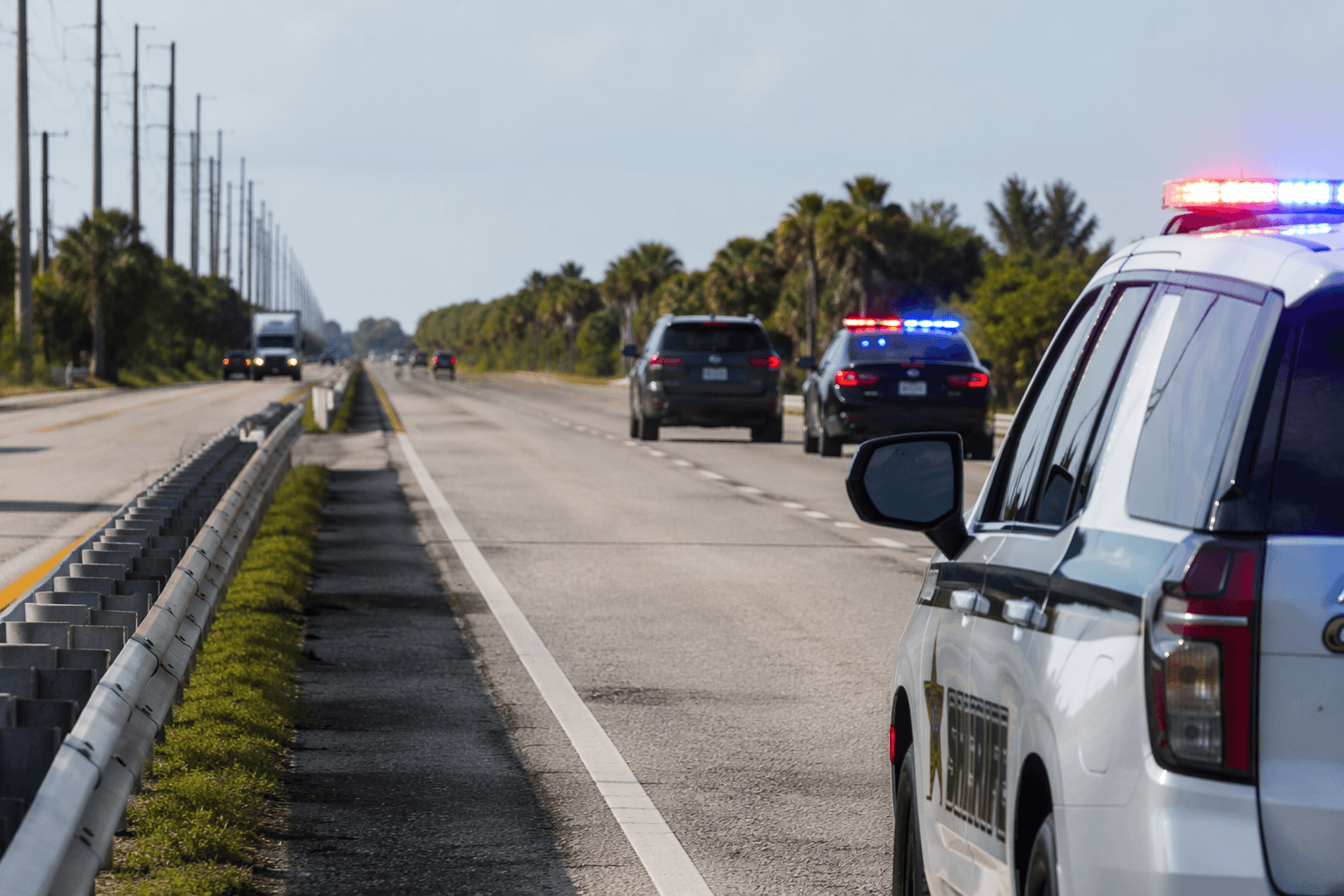
Monroe County deputies booked Patrick Joseph Roesser after a Sunday arrest in the Florida Keys on DUI and a moving traffic violation. In a county where U.S. 1 is the lifeline between islands, an impaired driver can turn a routine stop into a danger for commuters, visitors and anyone trying to move quickly across the Keys. The Monroe County Sheriff’s Office handled the booking.
The sheriff’s office keeps its arrest records through KeysSO, where it posts a current-arrest page and an arrest-history search. Those records cover arrests made by MCSO deputies and people booked in Monroe County jails only, not arrests in other jurisdictions. The agency also lists public contact numbers on its website: (305) 289-2351 for non-emergency calls and (305) 292-7000 for headquarters.
The charges tied to Roesser’s arrest place the case squarely in the category of roadway risk that matters most in Monroe County, where traffic disruptions can spread fast along the limited highway links that connect the Keys. A DUI stop can mean more than one vehicle pulled over. It can mean delayed travel, a roadside hazard for deputies and drivers, and extra strain on the county’s narrow corridor when residents are heading to work or visitors are moving between islands.
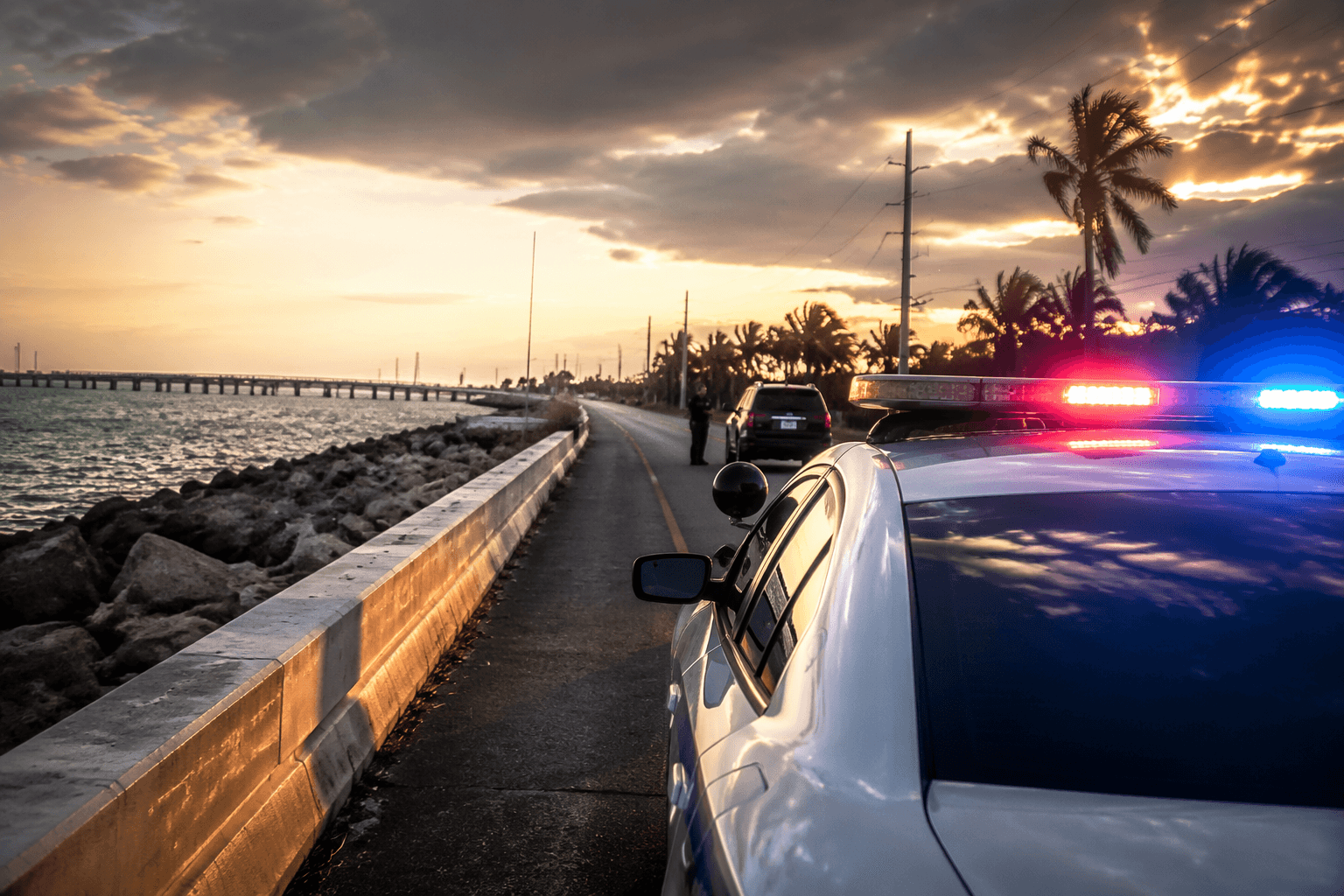
For Monroe County, the impact of impaired driving is magnified by geography. The island chain depends on a small number of routes, so even a single arrest for DUI and a moving traffic violation lands in a transportation system with little room for error. Travelers who rely on the Keys’ roads, bridges and causeways have every reason to treat impairment behind the wheel as a public-safety threat, not just a criminal charge in a booking log.
This article was produced by Prism’s automated news system from verified source data, official records, and press releases, then run through automated quality and moderation checks before publishing. The system is built and supervised by the people who set the standards it runs under. Read our full AI policy.
Did this article answer your question?