Port Everglades Dredging Risks Coral Refugia and Monroe County
New reporting reveals a scientific analysis finding roughly ten million corals in and around the Port Everglades navigation channel now targeted for federal dredging. Monroe County residents should understand the environmental risks, regional reef context, regulatory tensions, and concrete civic steps to protect local tourism, fisheries, and remaining coral refugia.

1. Key finding from recent reporting and scientific analysis
A January 6, 2026 story carried by WLRN and based on reporting from Inside Climate News describes a scientific analysis estimating about ten million corals live in and around the Port Everglades navigation channel that is slated for a major federal dredging project. That tally is notable because it quantifies living coral presence inside a heavily trafficked navigation corridor, highlighting unexpected biological value tied to a proposed infrastructure action. The finding triggered renewed scrutiny from conservation groups and local stakeholders across South Florida, including Monroe County.
2. Broader scientific context for Florida reefs
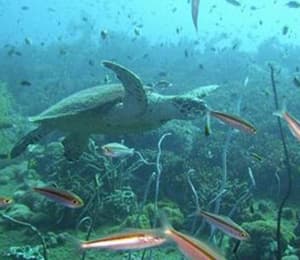
Scientists have documented severe coral losses across parts of Florida, including the Florida Keys and the Dry Tortugas, following consecutive marine heat waves in recent years. Those heat-driven mass bleaching events reduced coral cover and compromised reef recovery capacity, making surviving coral populations more critical as potential refugia. The Port Everglades analysis therefore matters beyond its immediate footprint because it speaks to the distribution and vulnerability of remaining coral communities across South Florida.
3. How dredging and expanded shipping channels pose risks
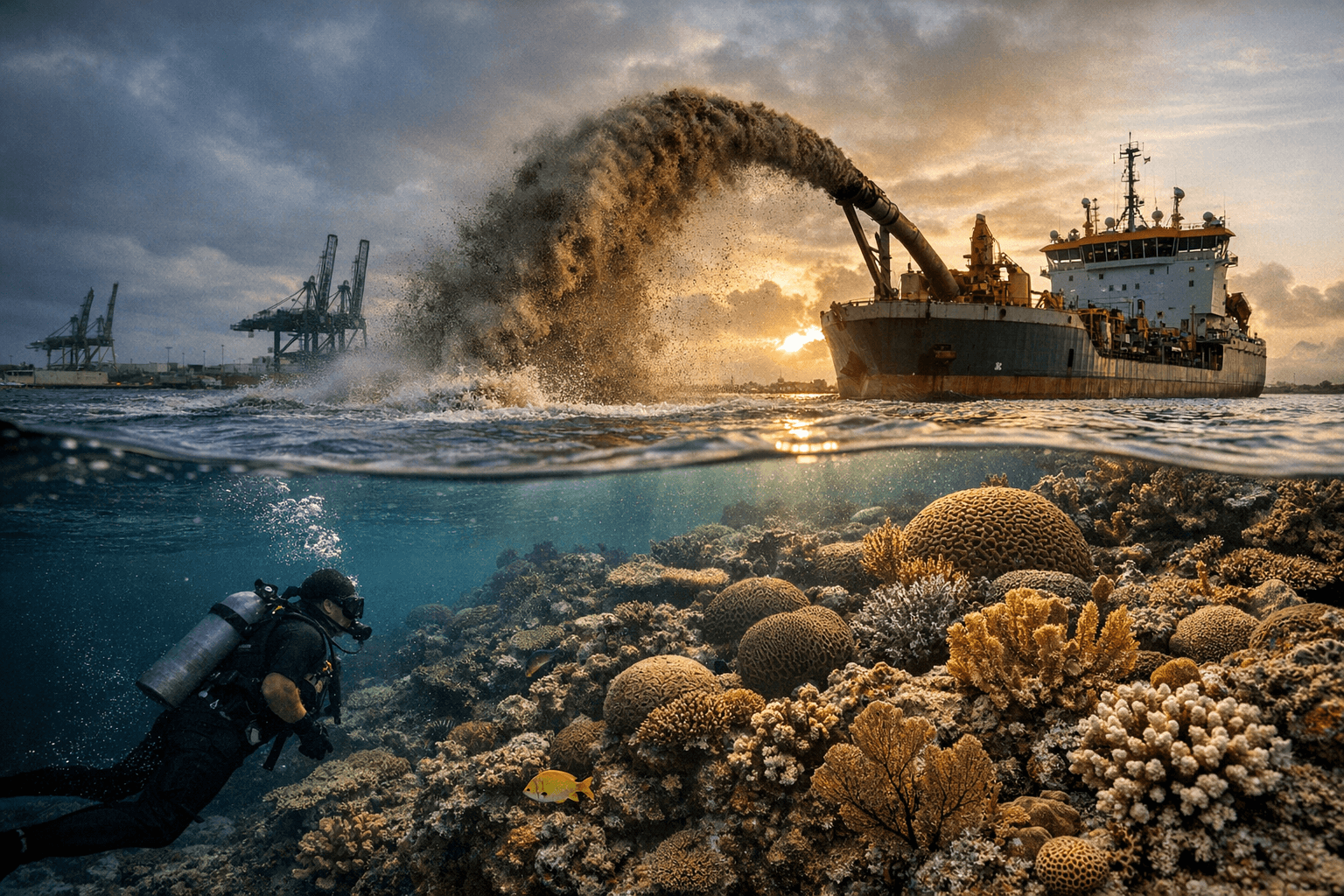
Dredging and channel expansion can harm corals through multiple mechanisms: direct physical removal, burial by sediment, increased turbidity that reduces sunlight, and damage from larger or more frequent ship traffic. These stressors compound heat-related bleaching by limiting recovery time and reducing water quality, which both impede coral growth and recruitment. For reefs already stressed by warming and disease, the addition of construction and operational impacts increases the probability of long-term habitat loss.
4. Regional connections to Monroe County reef health
Although the study focused on Port Everglades, reporters and scientists explicitly drew connections to reef health across South Florida and the Keys, noting shared vulnerabilities. Monroe County reefs currently function as ecological and economic assets, providing biodiversity, coastal protection, and fisheries habitat, and some of the county’s remaining coral refugia are increasingly important as sources for larval supply and genetic diversity. Any increase in regional stressors, including sedimentation or altered circulation patterns from dredging, could influence reef conditions well beyond Broward County waters.
5. Local economic and community implications for Monroe County
Monroe County’s tourism and commercial and recreational fisheries depend heavily on healthy reefs; declines in coral cover and reef function translate into fewer fish, diminished snorkeling and diving experiences, and potential impacts on property protection and shoreline resilience. Loss of coral refugia also hurts long-term recovery prospects and can shift management costs to local governments and businesses. Residents should view reef impacts as both environmental and economic risks that affect employment, tax revenue, and quality of life.
6. Institutional and regulatory tensions to monitor
The story underscores tension between large federal projects and conservation priorities at local and state levels, with questions about how federal project evaluations weigh cumulative ecosystem impacts. Key institutional considerations include the federal permitting process for navigation projects, requirements for environmental review and mitigation, and how agencies account for regional reef decline when approving dredging. Monroe County officials, local environmental managers, and stakeholders must press for transparency in environmental assessments and enforceable mitigation or avoidance measures to protect reef refugia.
7. Civic actions residents can take to influence outcomes
- Monitor public notices and environmental review documents to track project scope, mitigation proposals, and deadlines for comments.
- Submit written public comments during permitting and review periods emphasizing local reef reliance on tourism and fisheries, and request cumulative impact assessments and independent monitoring.
- Attend county commission meetings, coastal advisory panels, and hearings where local officials discuss coordination with federal agencies so elected officials hear constituent priorities directly.
- Support or volunteer with local conservation organizations that conduct reef monitoring and advocacy; community science data can strengthen technical arguments during reviews.
You have several practical options to engage and shape decision-making around dredging and reef protection:
Each action increases transparency and signals to elected officials and federal agencies that local communities are attentive and expect accountable decision-making.
8. What to ask elected officials and decision-makers
When engaging representatives or agency staff, focus questions on measurable safeguards, timelines, and accountability: ask how cumulative impacts are being evaluated, what specific mitigation will be required, who will enforce monitoring, and how compensation or restoration will be secured if damage occurs. Demand clarity on whether and how project plans will avoid known coral concentrations and what contingency plans exist if monitoring shows unexpected harm. These institutional questions translate ecological concern into concrete policy expectations that officials can respond to or be held accountable for during the next election cycle.
9. Implications for voting and civic engagement ahead
Environmental issues tied to local livelihoods and public resources historically influence voter priorities in local and state races; reef and coastal management decisions can become salient topics for county, municipal, and state elections. By staying informed, participating in public processes, and holding officials to transparent standards during permitting and implementation, residents can shape policy outcomes and ensure agencies factor local economic and ecological stakes into federal project approvals. Sustained civic engagement is the primary lever residents have to align infrastructure decisions with long-term reef stewardship and community resilience.
This article was produced by Prism’s automated news system from verified source data, official records, and press releases, then run through automated quality and moderation checks before publishing. The system is built and supervised by the people who set the standards it runs under. Read our full AI policy.
Did this article answer your question?