Sierra View Residents Demand HOA Dissolved Amid Clubhouse Condemnation Controversy
Sierra View residents are pushing to dissolve their HOA after the community clubhouse was condemned, with transparency failures fueling calls for accountability.
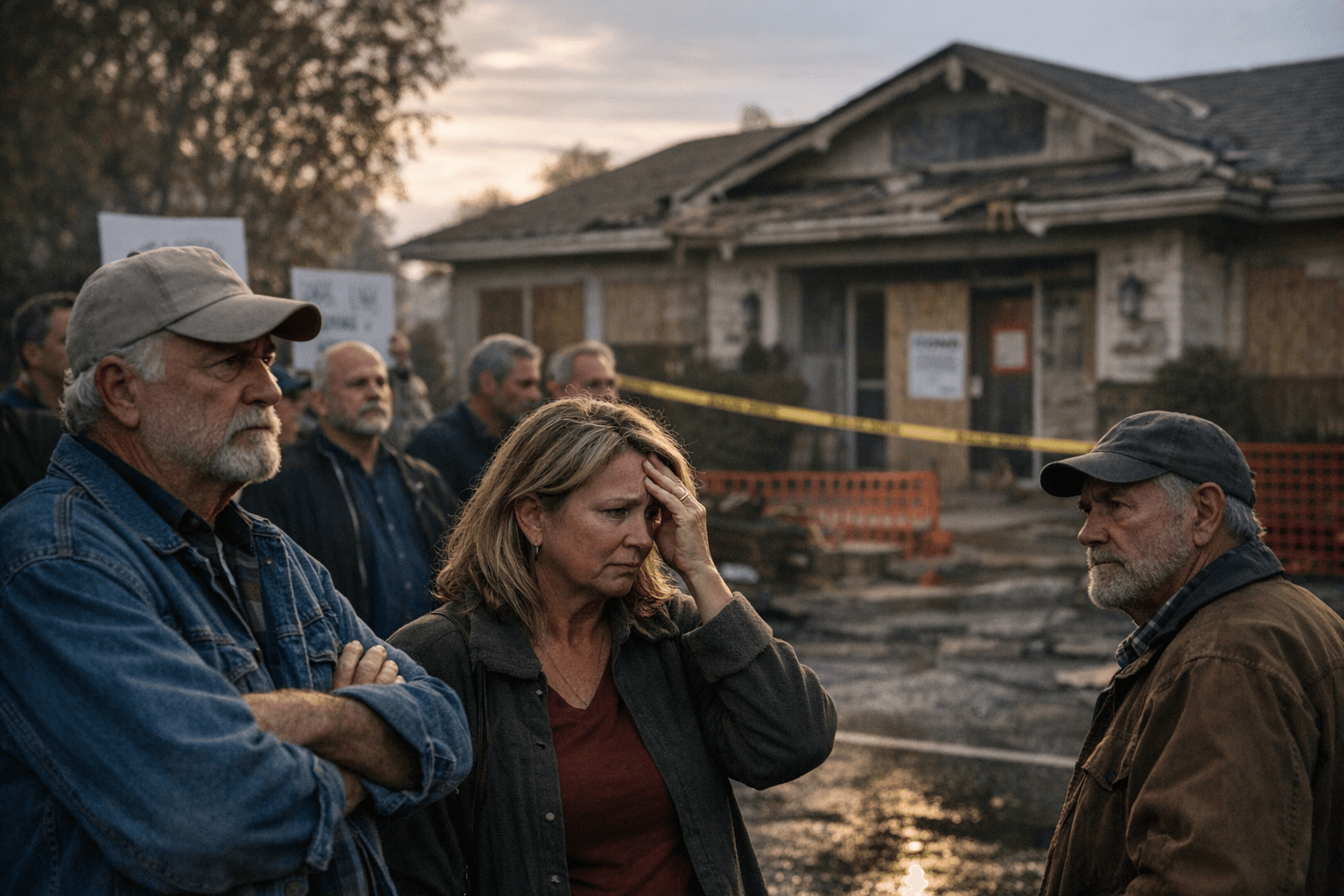
The condemnation of the Sierra View Clubhouse has fractured the relationship between homeowners and their association, pushing residents to demand a step rarely taken in Florida: full dissolution of the HOA itself.
Residents say the condemned building is not simply a maintenance failure but the most visible symptom of a governance breakdown marked by a lack of transparency. For homeowners, the stakes are concrete. A condemned common-area structure exposes an HOA to significant liability, and the most likely mechanism for funding any repair or demolition is a special assessment levied directly against each property owner, potentially running into thousands of dollars per household.
Under Florida's Chapter 720, residents have a legal right to inspect and copy a wide range of HOA records, including financial statements, meeting minutes, contracts, and reserve fund disclosures. Those documents are the starting point for accountability: if the clubhouse deteriorated to the point of condemnation, reserve fund records will show whether money was set aside and spent appropriately. Residents can submit a written records request to the association; if the board fails to respond within 10 business days, it faces fines of $50 per day under state statute.
For oversight beyond the HOA itself, Monroe County's building department holds the condemnation order and associated inspection records, which are public documents. The Florida Department of Business and Professional Regulation also accepts complaints against HOA boards for statutory violations and can initiate arbitration.
Dissolving the HOA entirely is a viable but demanding path. Florida law requires homeowners to first circulate a petition, then hold a duly noticed membership meeting, and ultimately secure approval from a supermajority of members, typically 80 percent or more of eligible voters. A circuit court judge must then sign off on dissolution before the association can file Articles of Dissolution with the Florida Secretary of State. Any remaining common-area property, debts, or liabilities would need to be resolved before the process concludes, meaning the condemned clubhouse itself could complicate or delay a clean exit.
The conflict at Sierra View reflects a broader tension in Florida HOA communities, where a condemned or deteriorating amenity can reshape a neighborhood's financial picture almost overnight. Lenders and buyers view an HOA under dispute or carrying unresolved condemnation orders as a risk factor, which can suppress property values and complicate refinancing for owners who have no vote in the dispute at all.
What happens next hinges largely on whether the board produces documents that explain how the clubhouse reached this state and what it will cost to resolve, and on whether enough homeowners are willing to see a dissolution effort through to a court's approval.
This article was produced by Prism’s automated news system from verified source data, official records, and press releases, then run through automated quality and moderation checks before publishing. The system is built and supervised by the people who set the standards it runs under. Read our full AI policy.
Did this article answer your question?