Supreme Court Bid Could Decide Future of Keys Property Rights
The Florida Supreme Court declined to review a landmark takings suit over Shands Key, leaving in place a Third District appellate ruling that sided with the island owners. Marathon officials voted to seek U.S. Supreme Court review, a move that could determine compensation obligations for hundreds of islands and vacant lots across Monroe County.
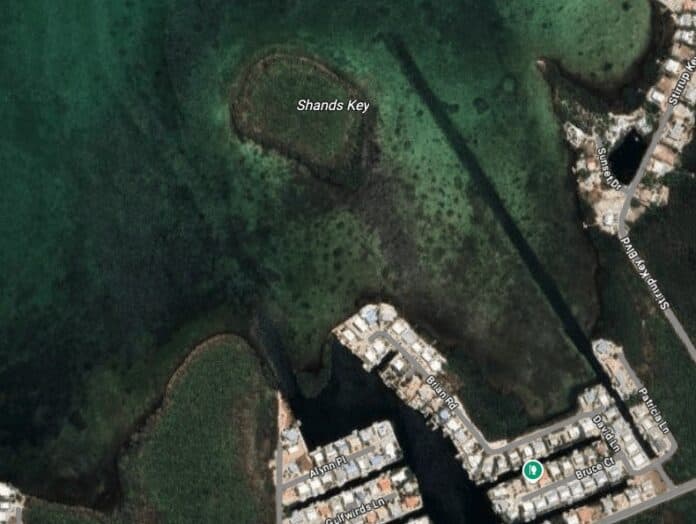
A nearly 20 year legal battle over a 7.9 acre island off Marathon moved closer to the nation’s highest court after the Florida Supreme Court declined to accept the case on December 5. The dispute centers on whether state and local land use rules that effectively prohibit development constitute a compensable taking when government offers transferable development rights instead of allowing construction.
The island was purchased in 1956 by Dr. R. E. Shands for $20,500 when local zoning permitted one house per acre. After ownership passed to his heirs, the property was downzoned to Conservation Offshore Island status, allowing one home per 10 acres or limited uses such as camping and beekeeping. Marathon incorporated in 1999 and denied a dock permit request from the Shands family in 2004, offering transferable development rights for sale or use elsewhere if the family publicly dedicated the land.
In February the Third District Court of Appeals ruled for the Shands family, concluding that awarding transferable development rights did not preclude an as applied takings claim and that the downzoning barred the owners from improving or developing the property in any manner. Attorney Jeremy Talcott of the Pacific Legal Foundation, which represents the Shandses, said, “We’re thrilled that the Third District opinion will stay in place.” He added, “It’s one of the stronger property rights opinions that has come out, certainly in Florida, but also nationwide. For the Shands family, this is the culmination of (waiting) decades to do anything with their own private property.” Talcott also warned, “This is what gets lost when people talk about these various environmental or other considerations like hurricane evacuation plans. If they’re for the good of the public as a whole, it’s just simply unfair to put the entire burden on individual landowners. … These systems like TBRs and ROGO points aren’t a way to avoid liability.”

On December 9 Marathon city leaders voted to seek review from the U. S. Supreme Court within 90 days, a step driven by concern about new precedent and potential liability. “The Third District Court opinion still, in my mind, creates new law that should be addressed by an appellate court,” Marathon City Attorney Steve Williams told council members, with Monroe County Attorney Bob Shillinger also participating in the discussion. Williams later declined to comment further on the pending litigation.
If the appellate decision remains intact, Marathon taxpayers could face a separate trial to determine compensation and attorneys fees, and the payout could be substantial given that developable offshore parcels in the Keys were already valued in the seven figure range when the litigation began. The case could reshape how municipalities and the county manage scarce development rights, affect local planning tools, and influence the fiscal exposure of local governments across Monroe County.
This article was produced by Prism’s automated news system from verified source data, official records, and press releases, then run through automated quality and moderation checks before publishing. The system is built and supervised by the people who set the standards it runs under. Read our full AI policy.
Did this article answer your question?