Top 10 Ways to Experience Key West, Marathon, Islamorada and Key Largo
From Key West's Duval Street to Key Largo's coral reefs, Monroe County's four towns each offer experiences you can't replicate anywhere else in the continental U.S.
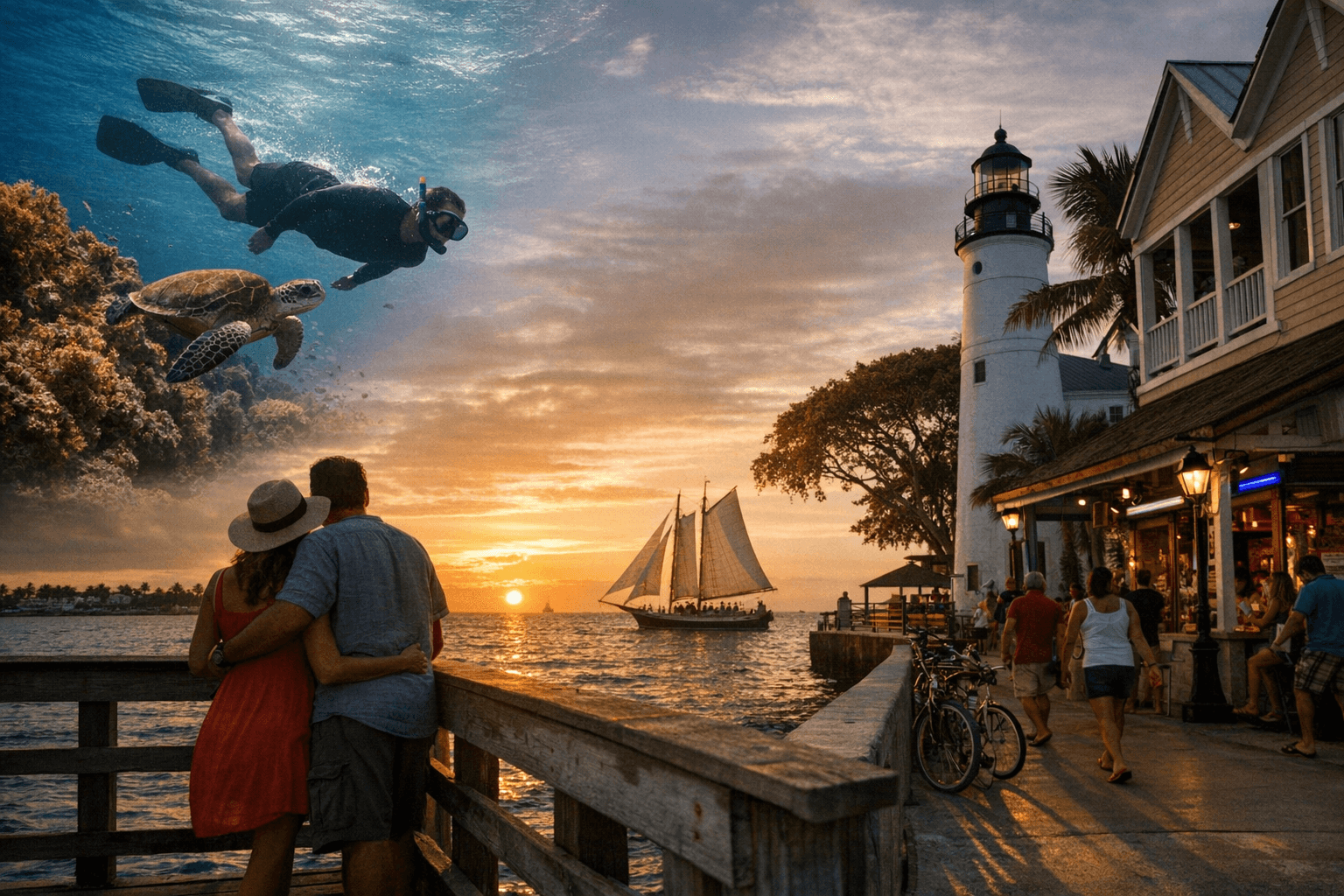
The Florida Keys stretch 113 miles from Key Largo to Key West, and no two towns along that arc feel the same. Key West brings a rowdy, artistic, end-of-the-road energy. Marathon sits at the archipelago's midpoint with working waterfront character. Islamorada carries a reputation as the sportfishing capital of the world. Key Largo opens the door to the only living coral barrier reef in the continental United States. Together, these four Monroe County communities form one of the most concentrated zones of outdoor recreation, culinary culture, and marine heritage anywhere in North America. Here are 10 ways to experience them at their best.
1. Dive or snorkel the Florida Keys National Marine Sanctuary off Key Largo
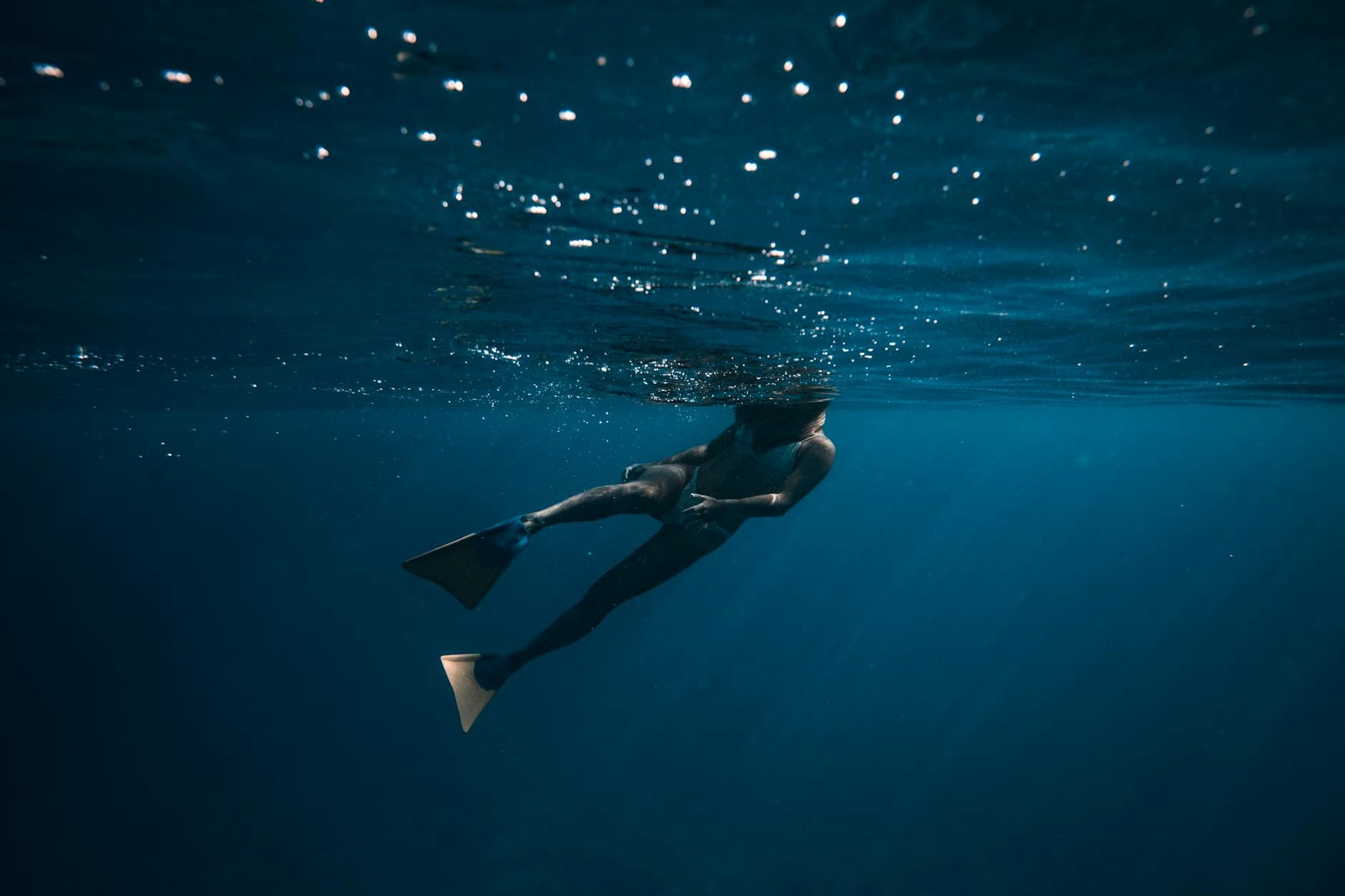
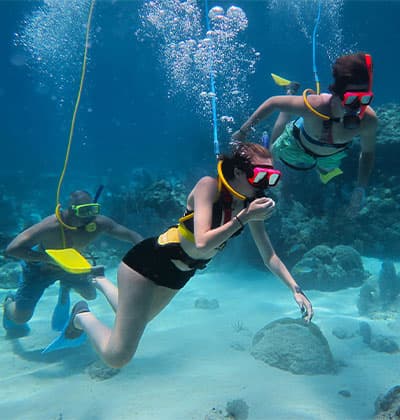
John Pennekamp Coral Reef State Park, the first underwater state park in the U.S., sits just off Key Largo at mile marker 102.5 and serves as the primary access point for the sanctuary's shallow coral gardens and deeper reef structures. Visibility regularly exceeds 30 feet, and the park's dive operators run daily trips to sites like Molasses Reef and the iconic Christ of the Abyss statue resting 25 feet below the surface. No other destination in the continental U.S. puts you this close to a living coral ecosystem without a passport.
2. Fish the flats and backcountry around Islamorada
Islamorada's designation as the sportfishing capital of the world isn't marketing language; it reflects decades of record catches on the nearshore grass flats and offshore blue water surrounding the Village of Islands. The backcountry shallows hold bonefish, permit, and tarpon that draw fly anglers from every continent, while offshore boats running out of the marinas along U.S. 1 target mahi-mahi, sailfish, and wahoo in the Gulf Stream just miles away. Booking a half-day with one of the dozens of licensed guides based here remains the single most authentic way to understand why this stretch of keys became legendary.
3. Walk and eat your way down Duval Street in Key West
Duval Street runs 1.1 miles from the Gulf of Mexico to the Atlantic Ocean, and its dozen-plus blocks contain one of the most densely packed concentrations of bars, restaurants, galleries, and live music venues in Florida. Landmarks like Sloppy Joe's, where Ernest Hemingway drank in the 1930s, sit alongside James Beard-recognized kitchens serving stone crab, yellowtail snapper, and Key lime pie made from actual Key limes. The street's walkability means you can cover serious culinary ground without a car, moving from a Cuban coffee window at sunrise to a sunset cocktail at a rooftop bar without backtracking.
4. Watch the sunset from Mallory Square in Key West
Every evening before the sun touches the horizon, Mallory Square at the western tip of Key West fills with street performers, local artists, food vendors, and hundreds of onlookers drawn by a tradition that dates back to the 1960s counterculture. The Sunset Celebration is not a ticketed event; it is a free, community-run gathering that has become one of the most photographed moments in Florida. The square sits adjacent to the Historic Seaport, so the surrounding area offers bars and restaurants for before- and after-sunset dining.
5. Kayak or paddleboard through the backcountry of Florida Bay near Marathon
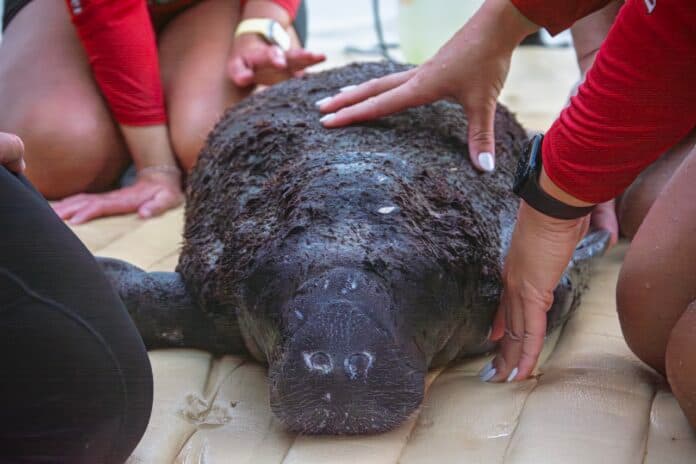
Marathon's position at the center of the Keys places it within easy reach of Florida Bay's shallow, calm flats, where mangrove islands and seagrass beds shelter manatees, sea turtles, and wading birds. Several outfitters at the city's marinas rent kayaks and stand-up paddleboards by the hour or half-day, and guided eco-tours navigate routes through the Ten Thousand Islands-adjacent backcountry that most powerboaters never see. The calm water and consistent southeast winds make Marathon's bay side forgiving for beginners while still rewarding for experienced paddlers looking for wildlife encounters.
6. Visit the Dolphin Research Center in Marathon
The Dolphin Research Center, located on Grassy Key just east of Marathon at mile marker 59, is a nonprofit facility that has conducted behavioral and communication research with Atlantic bottlenose dolphins since 1984. Unlike commercial swim-with-dolphins attractions, the center prioritizes education and allows visitors to observe research sessions, attend narrated presentations, and participate in structured interaction programs that meet the animals on their terms in a natural saltwater lagoon. Proceeds support ongoing research, and the facility's transparency about animal welfare makes it a standout among Florida's marine mammal programs.
7. Snorkel or dive the Spiegel Grove wreck off Key Largo
The USS Spiegel Grove, a 510-foot former U.S. Navy landing ship intentionally sunk in 2002 to create an artificial reef six miles off Key Largo, has become one of the most celebrated wreck dives in the Atlantic. The ship rests at depths ranging from 60 to 130 feet and now hosts massive schools of fish, resident goliath grouper, and encrusting corals that have transformed its hull into a living structure. Advanced open-water divers consider a penetration dive through its interior corridors a bucket-list experience in Florida waters.
8. Eat a fish sandwich at a waterfront seafood shack
Each of the four Keys communities maintains a working waterfront identity reinforced by small, no-frills seafood spots that source locally. In Key Largo, waterfront dockside restaurants serve yellowtail caught the same morning. In Marathon, City Seafood on the working waterfront has sold fresh catch directly to the public for decades. In Islamorada, restaurants along the bay side offer stone crab claws in season from October through May. In Key West, the Historic Seaport's restaurant row serves the freshest stone crab and shrimp the Gulf delivers. The formula across all four towns is identical: picnic tables, paper plates, cold beer, and fish that hasn't seen a freezer.
9. Explore the history and architecture of Key West's Old Town
Key West's National Register Historic District contains more than 3,000 historic structures, many built in the 18th and 19th centuries by Bahamian shipwrights using Dade County pine and conch architectural techniques adapted for hurricane resilience. The Ernest Hemingway Home and Museum on Whitehead Street, the Harry S. Truman Little White House on Front Street, and the Key West Lighthouse and Keeper's Quarters on Whitehead offer self-guided or docent-led tours that trace the city's cycles of wealth from wrecking, sponging, and cigar manufacturing. Walking the grid of Old Town's shaded streets, with their gingerbread porches and six-toed cats, covers more American history per block than almost any neighborhood of comparable size in the South.
10. Drive the Overseas Highway at sunrise or sunset
U.S. 1 through the Florida Keys, designated the Overseas Highway, spans 113 miles of bridges and causeways built over what was originally Henry Flagler's Florida East Coast Railway. The Seven Mile Bridge connecting Marathon to the Lower Keys is the most photographed segment, offering unobstructed views of open water on both sides and a color-shift from Atlantic blue-green to Gulf teal that no photograph fully captures. Driving the full length at the hour when light sits low and flat across the water is, for many who have lived in or traveled through Monroe County, the single most memorable experience the Keys provide, and it costs nothing beyond a tank of gas.
Know something we missed? Have a correction or additional information?
Submit a Tip