Franklin tightens utility bill rules, first shutoffs set for September 9
Franklin will start shutting off delinquent utility accounts on Sept. 9 after approving tougher collection rules. The village says thousands of dollars in unpaid water, sewer and gas bills are already weighing on the books.

Franklin officials tightened the village’s utility bill collection rules, putting overdue water, sewer and gas accounts on a shorter clock before shutoff begins. The updated policy takes effect Aug. 1, and the first service interruptions for delinquent bills are scheduled for Sept. 9.
The move comes after the village said it is carrying thousands of dollars in unpaid and partially paid utility bills. Franklin maintains gas, water and sewer service for customers, so the new rules will reach households that depend on all three essentials, not just one utility line.
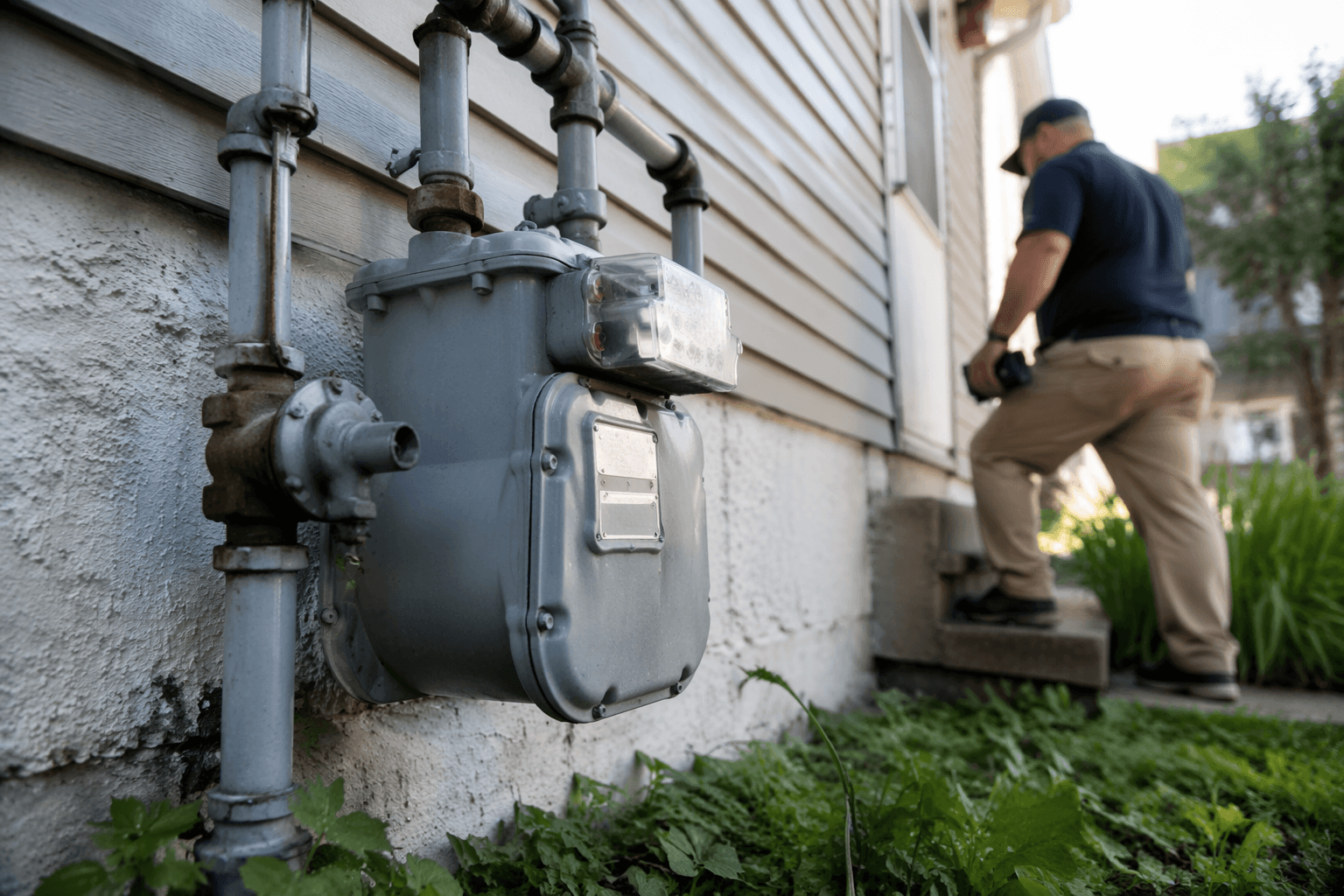
For residents already behind, the change is practical and immediate: the window to catch up is now narrower, and partial payments no longer appear to buy much time if balances keep rolling forward. The accounts most likely to feel the first wave of enforcement are the ones with existing overdue water, sewer or gas charges, especially where only part of the bill has been paid and the remaining balance is still open.
Village officials framed the tougher collection policy as a response to a revenue problem that can affect day-to-day operations and infrastructure upkeep. In a small community, even modest delinquencies can force a choice between absorbing the loss, shifting the burden to other ratepayers or pushing faster on collections. Franklin chose the last path.
Illinois law gives municipalities broad power to collect unpaid water and sewer bills, but that authority is not unlimited. State rules still require due process and statutory safeguards, and utility consumer guidance says shutoff may not happen until at least 10 days after notice. If 45 days pass without a shutoff, a new notice is required.
The stakes can extend beyond a monthly bill. Under Illinois municipal law, water and sewer charges can become liens on the real estate once they become delinquent under the village ordinance that sets the delinquency date. For Franklin households already stretched by rising utility costs, the new policy raises the risk that an unpaid balance could move from an account problem to a property problem if it is ignored.
This article was produced by Prism’s automated news system from verified source data, official records, and press releases, then run through automated quality and moderation checks before publishing. The system is built and supervised by the people who set the standards it runs under. Read our full AI policy.
Did this article answer your question?