Jacksonville museum spotlights Morgan County’s Underground Railroad history this weekend
A free Jacksonville exhibit and Saturday reenactment put Priscilla Baltimore’s Morgan County ties on display, with a mural planned near the courthouse.
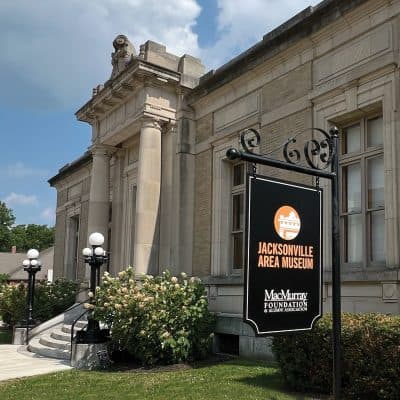
Morgan County’s Underground Railroad history is stepping out of the archives and onto East State Street, where the Jacksonville Area Museum will pair a free exhibit with a live reenactment just next door at Centenary United Methodist Church.
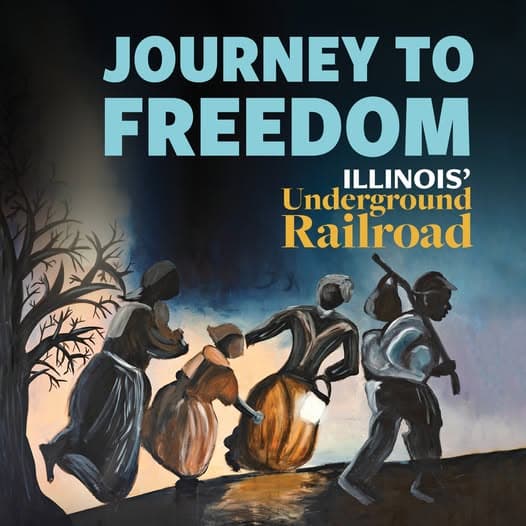
The museum’s traveling display, Journey to Freedom: Illinois’ Underground Railroad, runs through Aug. 1 and is presented with support from the Abraham Lincoln National Heritage Area. Museum materials say the exhibit highlights freedom seekers and the multi-racial conductors who helped them, while a new Underground Railroad mural is also planned for a wall just east of the Morgan County Courthouse. The museum is open Saturdays, Sundays and Wednesdays.
The weekend’s centerpiece comes at 6 p.m. Saturday, May 9, when Kathryn Harris will portray Priscilla Baltimore at Centenary United Methodist Church, 331 E. State St. Jacksonville-area event listings place the program alongside the museum’s Underground Railroad exhibit, turning the church and museum block into a small, walkable history stop for families, students and anyone downtown.
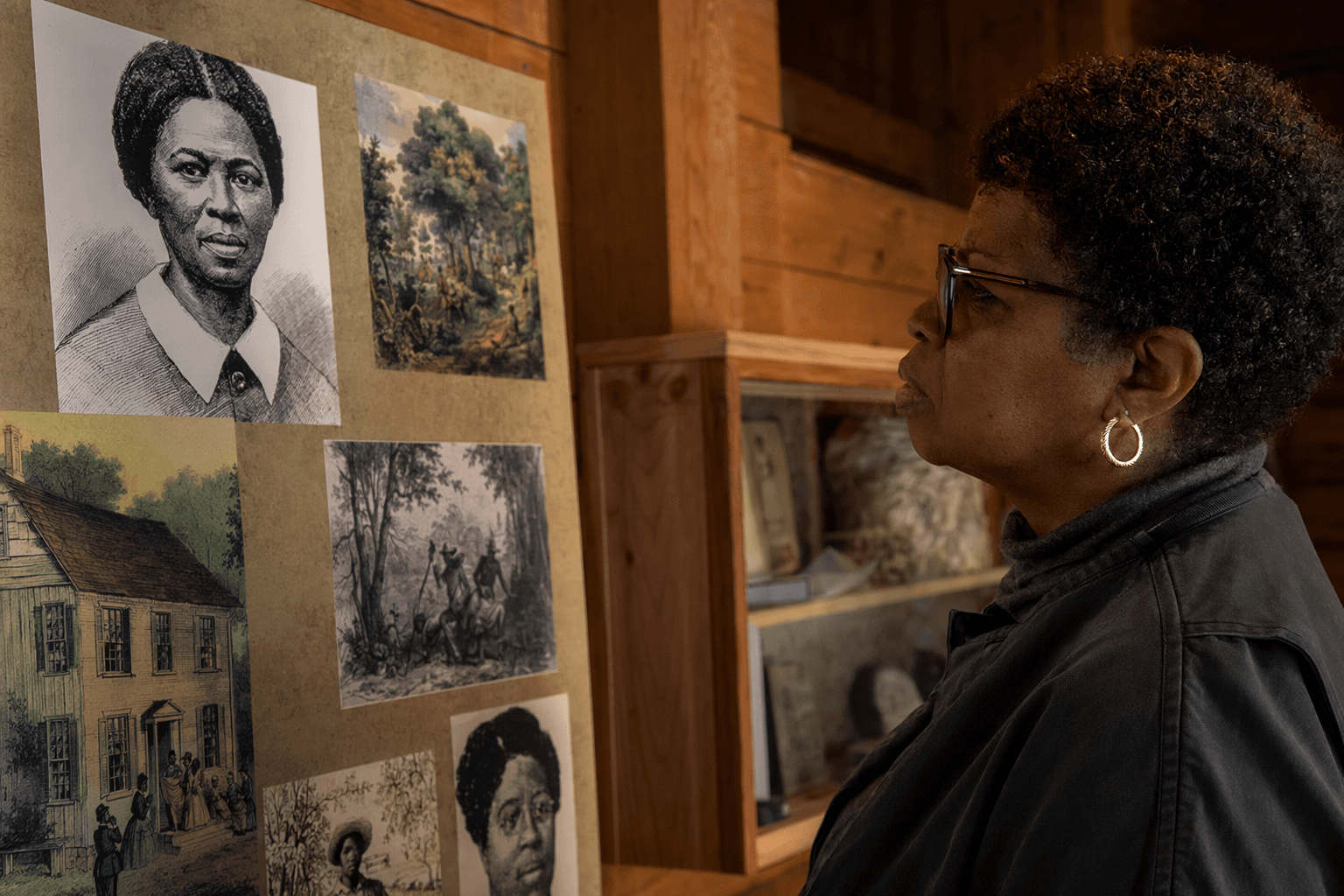
Baltimore’s story gives the event its strongest local hook. Museum and Illinois Underground Railroad project materials say she was born in Kentucky, was sold to a Methodist minister in St. Louis, and later purchased her freedom there. In 1825, those same sources say, she took eleven families to a meeting near Brooklyn, Illinois, placing her squarely in the river corridor network that connected Morgan County to the wider freedom movement.
A regional history source credits Baltimore with helping lead more than 300 people to freedom and says she was known as “The Moses of the West.” That history is what the Saturday performance aims to make immediate and visible, not distant or abstract, by putting a named figure from the Underground Railroad story in front of Jacksonville audiences inside a church that sits beside the museum itself.
With the exhibit in place through the summer and the courthouse-area mural still ahead, the museum is building a public record of a county history that ran through churches, river routes and hidden networks long before it was marked on a wall.
This article was produced by Prism’s automated news system from verified source data, official records, and press releases, then run through automated quality and moderation checks before publishing. The system is built and supervised by the people who set the standards it runs under. Read our full AI policy.
Did this article answer your question?