Jacksonville police calls about homelessness nearly double from last year
Jacksonville police calls tied to homelessness have nearly doubled, a sign more people are being pushed into crisis and into the 911 system.
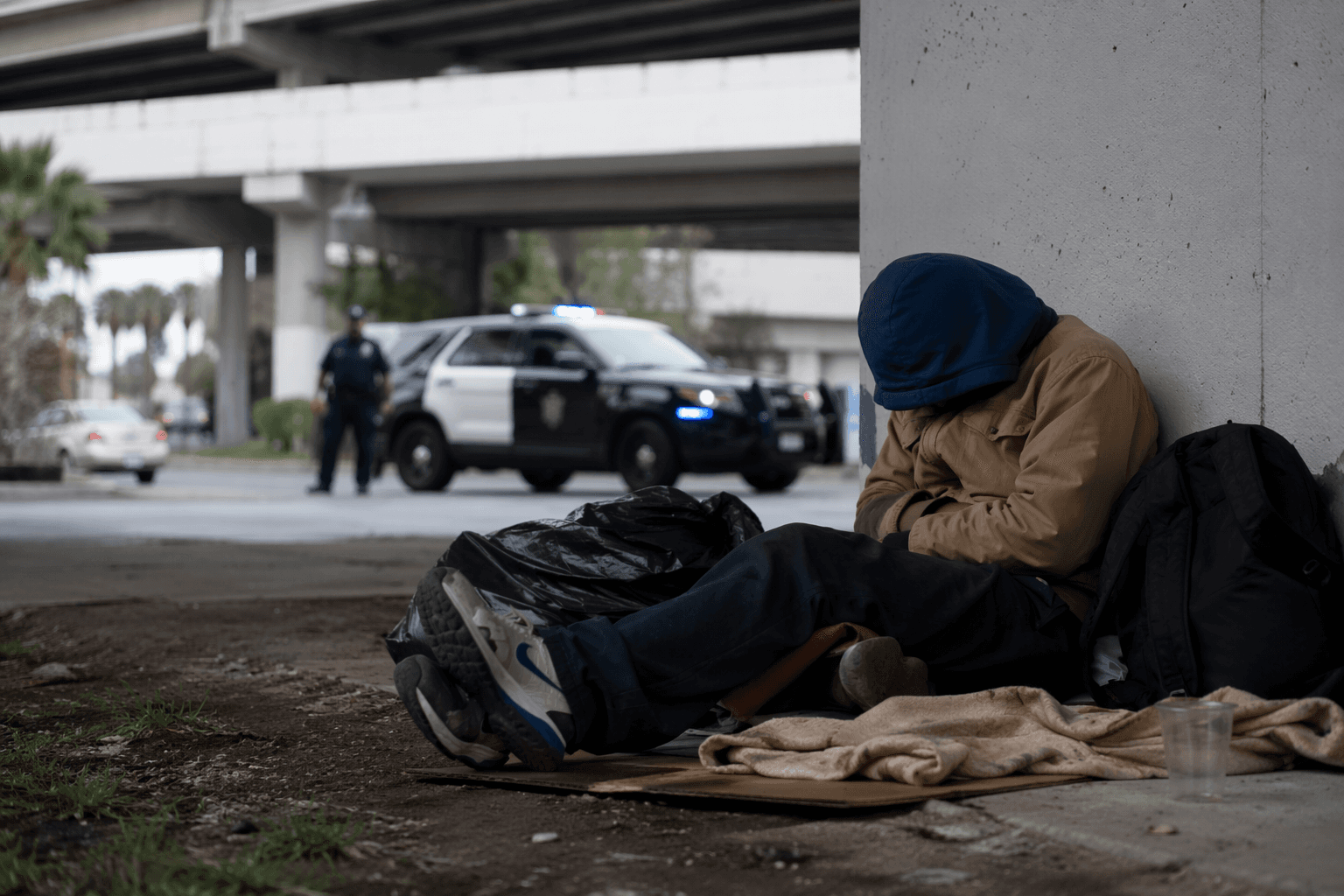
Police in Jacksonville are getting called about homelessness far more often than they were a year ago, and the spike points to a system under strain. Calls to the Jacksonville Police Department on homelessness-related issues have nearly doubled compared with the same period last year, a shift that suggests more residents are encountering visible homelessness in public places and turning to officers first.
The increase matters because it is not just a count of complaints. It shows how often police are being asked to handle situations that may involve shelter, mental health, substance use, or basic survival needs, not just law enforcement. In Jacksonville, those calls ripple through downtown, business corridors, and neighborhoods where people worry about loitering, safety, or someone in obvious distress.
The city’s response options remain limited. In September 2025, Jacksonville had one homeless shelter, and it required sobriety and a background check. Three community advocates were working to create a lower-barrier shelter called The Station, with organizers saying a 24/7 facility staffed by counselors and mental-health specialists could cut down on police encounters and drug-related problems.
Other local help exists, but it is narrow and uneven. Morgan County’s Emergency Food and Shelter Homeless Prevention program can help with rent and security-deposit assistance. The county says transitional housing is limited to homeless families, while supportive housing is available only to homeless people with documented disabilities, subject to funding and eligibility rules. The Morgan County Housing Authority says it operates public housing and Section 8-related housing programs in Jacksonville.
When homelessness turns into a crisis call, Jacksonville OneStop directs people to the Jacksonville Police Department Chaplaincy Program and says mental-health emergencies may go to police or Passavant Hospital ER. That makes clear how often the city still routes housing instability through emergency response rather than through a dedicated shelter or outreach system.
The broader backdrop is severe. Illinois Department of Human Services says its Homeless Prevention Program, created by the Homeless Prevention Act of 1999, had $21.8 million allocated in fiscal year 2024. The U.S. Department of Housing and Urban Development said the 2024 Point-in-Time count found 771,480 people experiencing homelessness on a single night, the highest number ever recorded.
Jacksonville has already tested short-term relief, including a daytime shelter that opened at 1124 Wall St. on Dec. 1, 2025. The rising police-call numbers now test whether those efforts are enough, or whether the city is still relying on officers to absorb a problem that needs more shelter beds, more outreach, and more space outside the patrol car.
This article was produced by Prism’s automated news system from verified source data, official records, and press releases, then run through automated quality and moderation checks before publishing. The system is built and supervised by the people who set the standards it runs under. Read our full AI policy.
Know something we missed? Have a correction or additional information?
Submit a Tip