Morgan County 911 telecommunicator helps callers stay calm in crisis
Taylor Stone-Lowe’s work shows how Morgan County’s first emergency response begins long before sirens, with one calm voice shaping what happens next.
The first call can decide the first few minutes
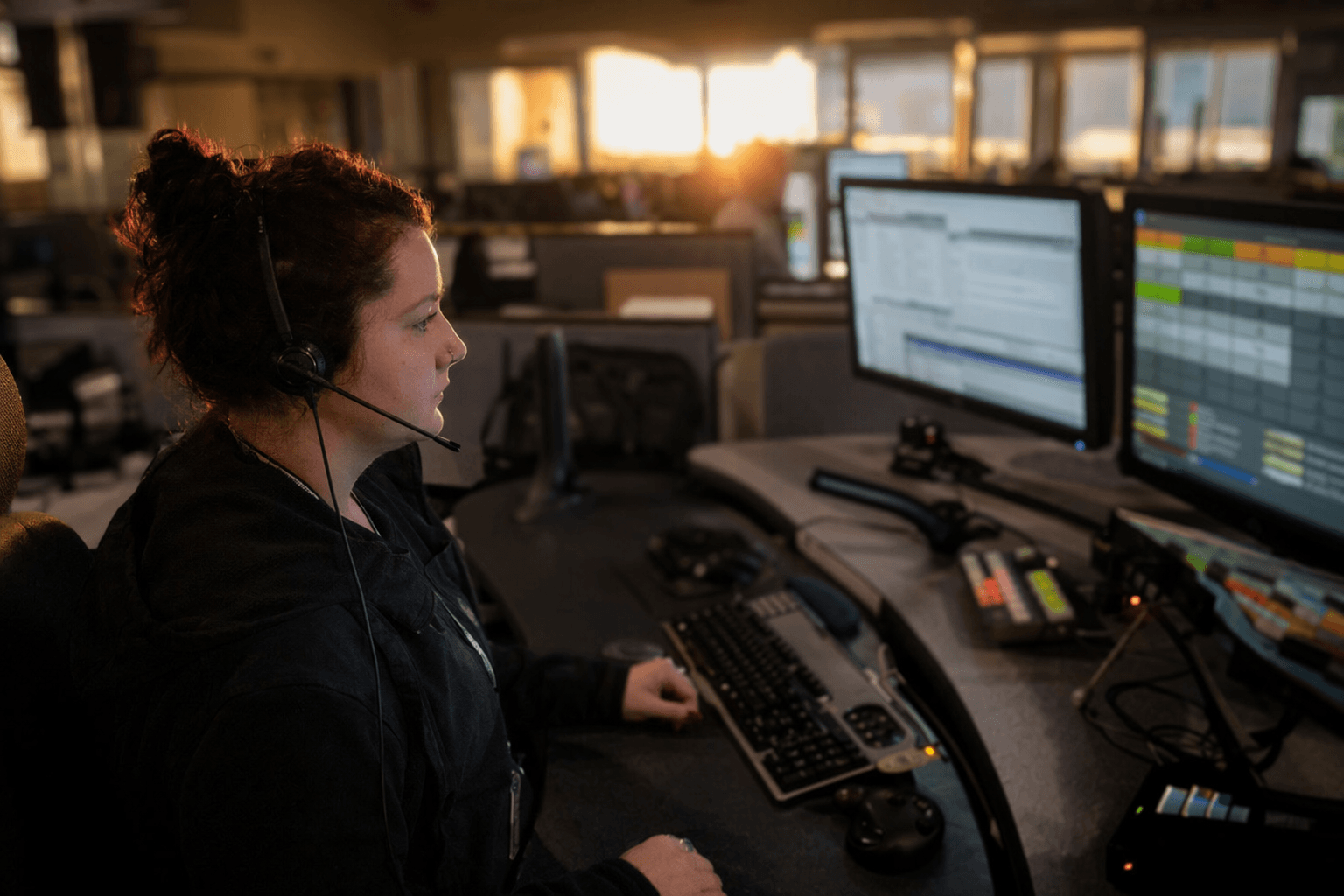
When a crisis hits a Jacksonville home, a rural road in Morgan County, or a school pickup line in West Central Illinois, the first responder is often not a deputy, firefighter, or paramedic. It is the telecommunicator on the other end of the 911 line, gathering facts, steadying a frightened caller, and deciding which help needs to move first.
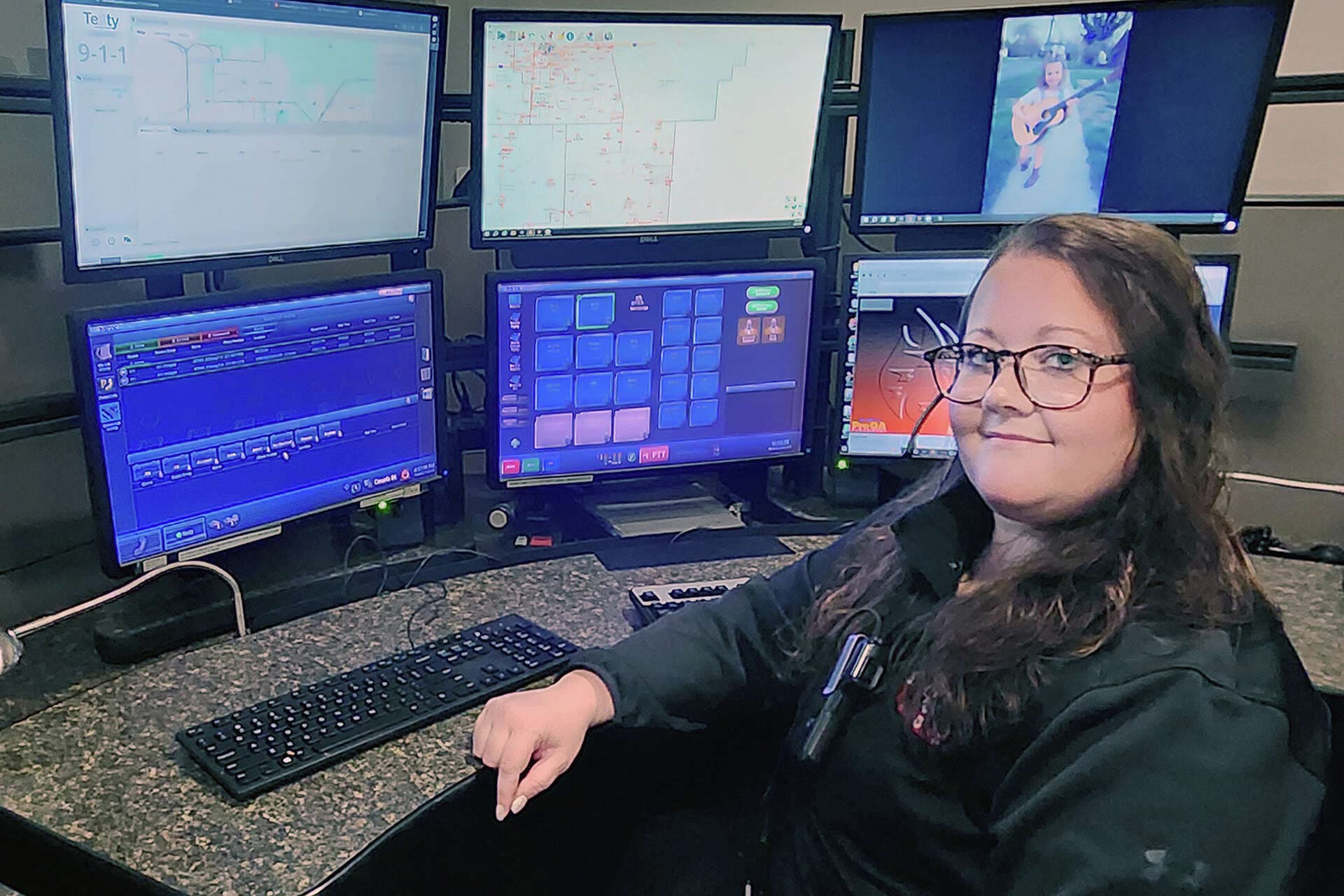
That is the work Taylor Stone-Lowe helps represent in Morgan County. Her role sits at the front end of the emergency-response chain, where seconds matter and the wrong detail, missed address, or delayed transfer can change what happens next. The job requires technical skill, but it also demands emotional control, because callers are often confused, panicked, or in danger when they reach out.
What a telecommunicator actually does
Federal 911 guidance describes telecommunicators as the first point of contact in many emergencies. They are expected to obtain essential information, remain calm, calm others, and send the appropriate responders to the right location. The National 911 Program also notes that telecommunicators may stay on the line with callers during emergent situations and provide instructions that can be essential to stabilizing or saving a life.
That combination of speed and steadiness is what makes the work so important in Morgan County. A telecommunicator has to listen while the caller is upset, pull out the facts that matter most, and relay them accurately to police, fire, or medical responders. The job is not only about answering a phone. It is about turning fear into usable information fast enough for help to move in the right direction.
How Morgan County’s dispatch system is built
Morgan County depends on the West Central Joint Dispatch Center, which serves Morgan, Green, and Calhoun counties. The center says it covers a population of more than 50,000 people across about 1,400 square miles, and it operates 24 hours a day, 7 days a week, 365 days a year. It also says it answers about 16,000 9-1-1 calls each year.
That workload shows how much pressure sits on the first person who answers. In a county with farms, small towns, highway traffic, and a county seat that still anchors daily life in Jacksonville, one call can involve a house fire, a crash, a medical emergency, or a situation where a caller cannot safely speak. The dispatch center uses International Academies of Emergency Dispatch protocols, which helps standardize how telecommunicators collect details and route help.
Why text-to-911 matters in Morgan County
Jacksonville city government says text-to-911 has been available in Morgan County since November 2015 for situations when making a voice call is not possible or would put the caller in danger. That option matters in a place where emergencies do not always allow for a conversation. A caller might be hiding, unable to speak without being overheard, or facing a situation where silence is safer than speech.
The city also says voice calls remain the preferred way to contact the dispatch center. That makes sense because a conversation usually gives telecommunicators the fastest, richest flow of information. Still, the text option gives residents another tool when a call would be risky or impossible, and that can be the difference between getting help and having no safe way to ask for it.
A shared local investment, not a stand-alone office
The West Central Joint Dispatch Center was developed as a joint effort between the City of Jacksonville, the Morgan County Board, Passavant Hospital, and the West Central Emergency Telephone System Board. That matters because dispatch is not just a county service tucked out of sight. It is a shared public-safety investment built by local institutions that all depend on the same emergency network working well.
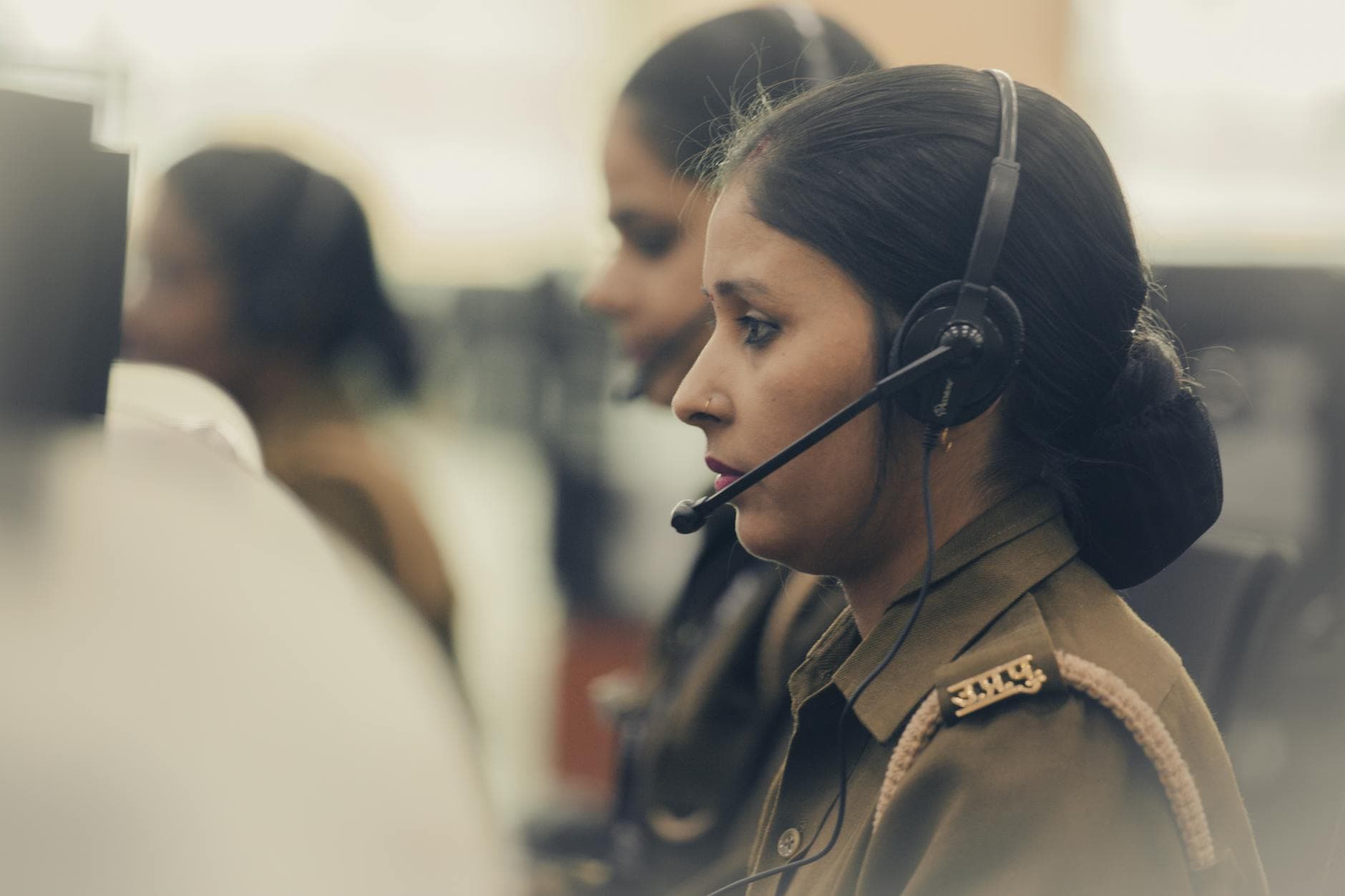
That shared structure reflects how emergency response works in practice. A telecommunicator may be the first voice a caller hears, but the center’s decisions ripple outward to law enforcement, fire protection, and medical care. The system only works when the call taker, the responders, and the agencies behind them move as one chain.
Why the story hits close to home in Jacksonville and across the county
Morgan County’s 2020 Census population was 32,915, and Jacksonville’s was 17,616. Jacksonville was laid out as the county seat in 1825, so the city has long been the center of county government and public life. In a county with that kind of history, residents know how quickly a single emergency can affect a neighborhood, a block, a business, or a road leading into town.
West Central ETSB says the Morgan County Sheriff’s Department serves about 35,000 residents and has fourteen sworn deputies. That gives a clearer picture of the law-enforcement side of the system that dispatch supports. One telecommunicator can help shape how quickly those deputies, and other responders, are sent where they are needed most.
Why Stone-Lowe’s work matters beyond the headset
Stories about public safety often focus on the people who arrive after the crisis is already visible. This one points to the person who helps define the crisis before anyone else reaches the scene. Taylor Stone-Lowe’s work shows that public safety begins with calm voices, disciplined listening, and the ability to collect the right information while someone else’s world is falling apart.
In Morgan County, that first minute can mean the difference between confusion and direction, delay and dispatch, panic and a plan. The unseen skill behind the call is part of the county’s safety net, and it is one of the reasons help can move with speed when residents need it most.
This article was produced by Prism’s automated news system from verified source data, official records, and press releases, then run through automated quality and moderation checks before publishing. The system is built and supervised by the people who set the standards it runs under. Read our full AI policy.
Did this article answer your question?