Morgan County clerk’s office handles elections, records and taxes
Morgan County residents turn to the clerk for election calendars, vital records and property-tax administration, with online tax lookups and weekday courthouse hours.
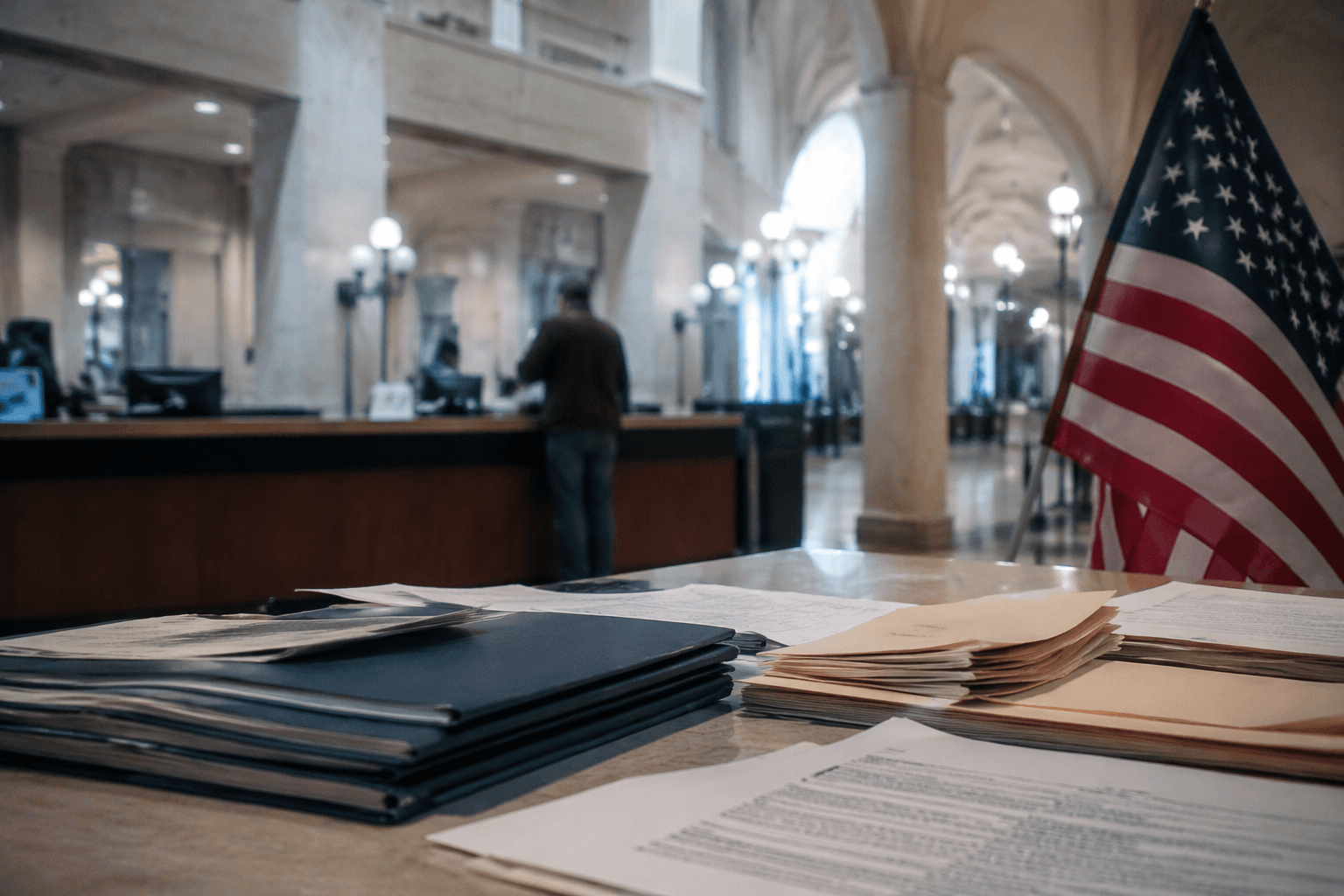
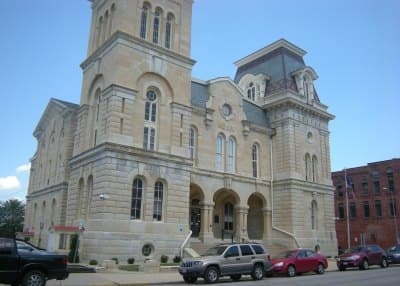
Morgan County’s County Clerk is the office that shows up when the calendar gets personal: election day, a needed record, or a property-tax question. The office is based at the Morgan County Courthouse, 300 W. State Street in Jacksonville, and courthouse listings place its weekday hours at 8:30 a.m. to 4:30 p.m.
Elections start here
The clerk’s election role is not ceremonial. Morgan County’s county page describes the Clerk’s office as a core department, and the clerk’s own responsibilities include serving as the county’s chief election authority. That matters because local election calendars move by cycle, while the need for a trusted office to set the rules and dates does not.
Sherry Sills now holds the job after Jill Waggener’s retirement became effective Aug. 30, 2024. The Morgan County Republican Central Committee submitted Sills’ name for appointment, the Morgan County Commissioners approved it on Sept. 23, and she was sworn in afterward. That appointment matters to voters because the clerk’s office is the local point of contact for election administration, including the schedules that shape when residents vote and how local races are organized.
The statewide calendar shows why local election notices matter. Illinois set the 2025 Consolidated Election for April 1, 2025, and local coverage in Morgan County noted that voters were deciding mayor, alderman or trustee, and school board races in that election. The next consolidated cycle is already on the books for 2027, with a Consolidated Primary on Feb. 23, 2027 if needed and a Consolidated Election on April 6, 2027. For residents tracking school board contests, city races, or township-style municipal seats, the clerk’s calendar is the official place to watch.
Records requests are about knowing the right office
The clerk’s office also sits at the center of records work, with the county’s page listing vital records among its main functions. In Illinois, vital records are a statewide public records function, but Morgan County’s own offices help determine where residents should go for specific documents and registrations. That distinction saves a trip across town, especially when a request is tied to a family event, a legal identity issue, or a deadline.
Morgan County Health Department materials identify that office as the designated authority for registering and recording birth, death, and fetal death certificates. That means residents should not assume every records request belongs at the clerk’s counter. When the issue is a birth record or a death record, the county’s health department is part of the process, while the clerk remains one of the county’s central administrative offices for records and related paperwork.
The practical mistake that slows people down is treating all records as interchangeable. A courthouse stop is often the right move for county administration, but a vital-records question may belong with the health department instead. In Morgan County, that division of labor is part of how the county keeps records accurate and traceable.
Property taxes run through a county pipeline
Property taxes are another place where the clerk’s office matters more than many residents realize. Illinois county clerks’ property tax guidance describes tax extension as part of the annual property-tax cycle, and that is the step where rates and levies become the amounts that appear on bills. In plain terms, assessed values are set, taxing bodies certify levies, and the clerk computes the rates and extensions before bills are issued.
Morgan County’s tax administration is spread across offices, not concentrated in one desk. The supervisor of assessments handles one part of the pipeline, the clerk handles tax extensions and delinquent-tax administration, and the treasurer’s office handles inquiry and payment services. That division matters when residents are trying to solve a bill problem, a delinquency question, or a timing issue, because the office that sets a number is not always the office that collects it.
The county also gives residents an online way to look up property-tax information. Morgan County’s tax inquiry system runs through DevNet, and the system shows online property-tax data access, a data update timestamp of July 17, 2026 at 5:15 p.m., and an assembly date of April 7, 2026. That makes it useful for checking parcels and bill information before heading to the courthouse, especially when the question is simple and does not require a counter visit.
How to avoid the most common delays
The fastest way to get help in Morgan County is to match the task to the right office before you leave home. If the issue is election timing, use the clerk’s election calendar. If the issue is a vital record, confirm whether the health department is the correct destination. If the issue is a property-tax question, start with the county’s online inquiry tool and then narrow the question to the clerk, treasurer, or supervisor of assessments as needed.
A few practical checks can save a second trip:
- Use the county’s online property-tax inquiry first if your question is about a parcel or a bill amount.
- Go to the courthouse during weekday hours, 8:30 a.m. to 4:30 p.m., for in-person clerk business.
- Treat election dates as cycle-specific. The 2025 Consolidated Election was April 1, 2025, and the next consolidated cycle is already set for 2027.
- For birth, death, and fetal death certificates, use the health department’s designated role rather than assuming the clerk handles every vital record.
Morgan County’s clerk’s office matters because it connects the county’s public life to its paperwork. It helps run elections, supports records work, and helps translate local tax decisions into the bills residents actually pay.
This article was produced by Prism’s automated news system from verified source data, official records, and press releases, then run through automated quality and moderation checks before publishing. The system is built and supervised by the people who set the standards it runs under. Read our full AI policy.
Did this article answer your question?