Woodlawn Farm preserves Morgan County Underground Railroad history
Woodlawn Farm gives Morgan County one of the few places to stand inside its Underground Railroad history. Seasonal tours and volunteer-led preservation keep the story active.
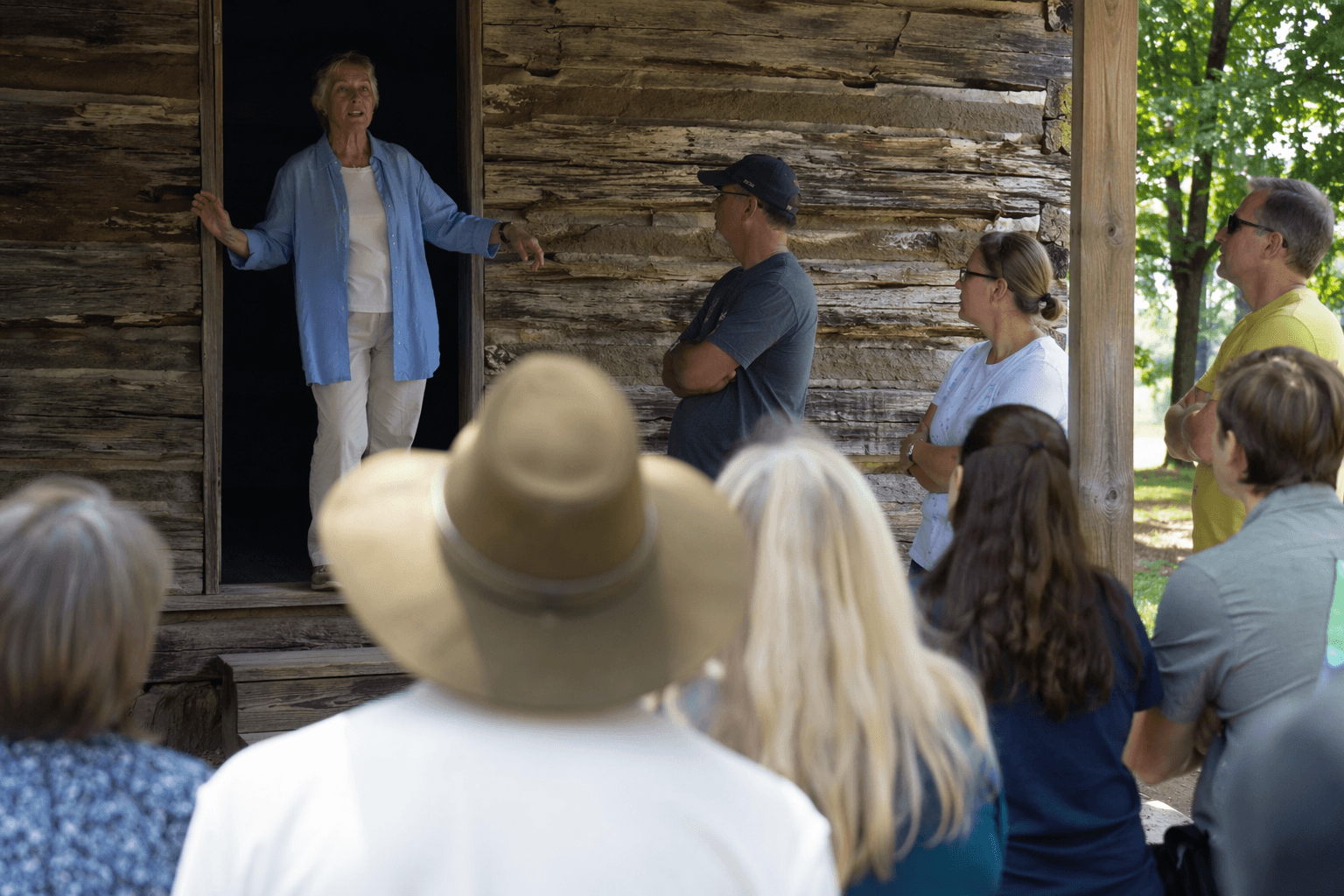
Woodlawn Farm is one of the few places in Morgan County where the Underground Railroad story still has a physical home. The farm at 1463 Geirke Lane, about five miles east of Jacksonville and visible from I-72, functions as a living history museum and a self-supporting historic site in rural Morgan County. That makes it more than a landmark: it is a place where the county’s abolitionist past can still be visited, studied, and passed on.
A site visitors can still enter
Woodlawn Farm opens seasonally on weekends from May through September, with small-group tours available during those months. Ordinary weekend visits do not require reservations, and the site suggests donations of $5 per adult and $3 per child to support operations. In winter, visits are by appointment only, which keeps the site accessible year-round even when regular public hours are not running.
The farm’s events calendar adds another layer to the visitor experience. Its spring bus tour uses storyteller guides in 19th-century period attire, travels by modern bus to Underground Railroad sites in Jacksonville, begins at Illinois College, and ends at Woodlawn Farm. That tour is priced at $25 for adults and $10 for children under 10, giving families a structured way to see how the county’s Underground Railroad sites connect to one another rather than standing alone.
The Huffaker family story behind the farm
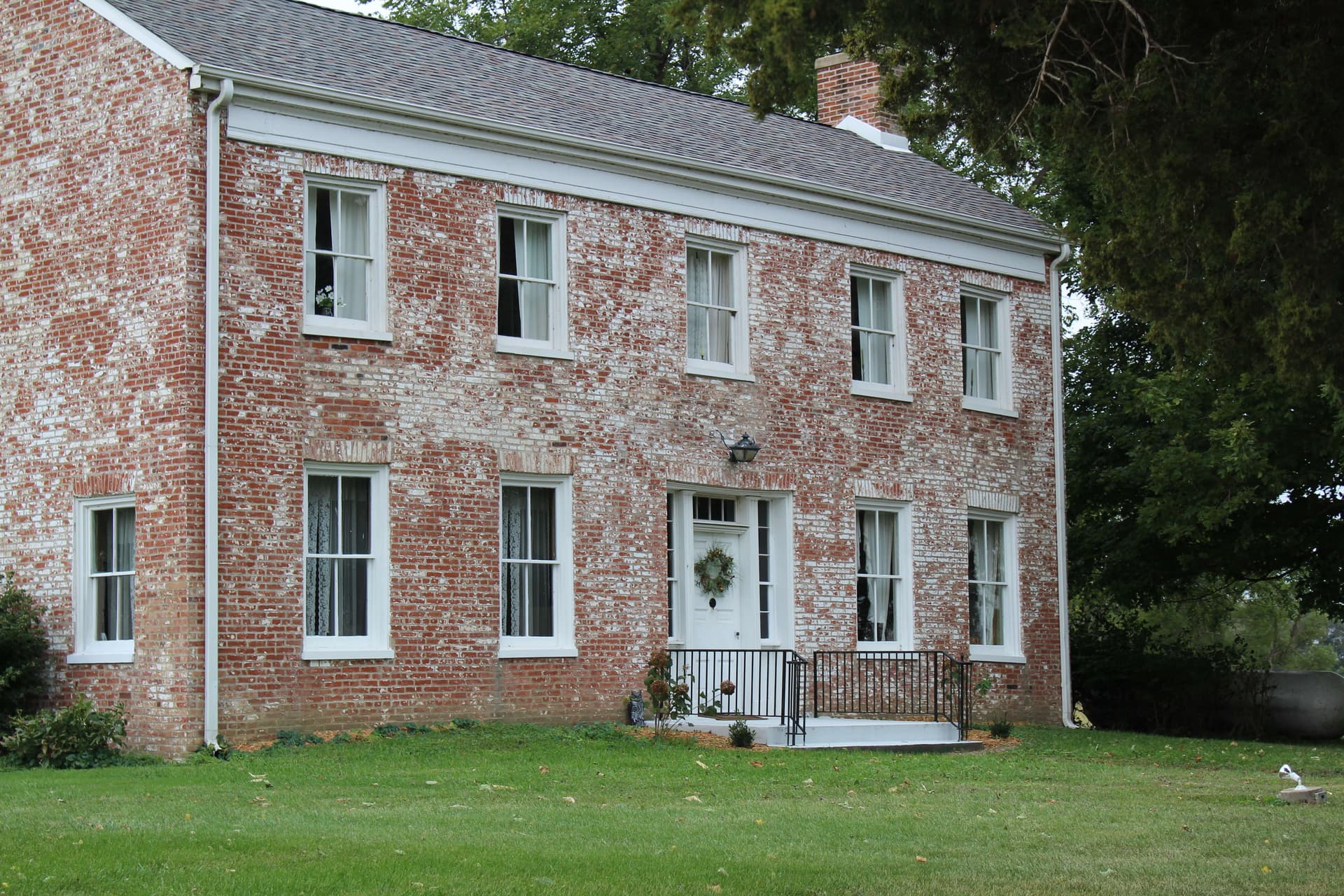
The strongest historical thread at Woodlawn Farm runs through Michael Huffaker and his family. Illinois House Resolution 0902 says the farm was established in 1824, that Michael Huffaker and his wife Jane settled on 160 acres outside what is now Jacksonville, and that the family home was built in 1839 and 1840. The resolution also traces the family’s path back through Germany, Pennsylvania, Virginia, and Kentucky before they put down roots in Morgan County.
That family history is marked by both loss and expansion. The resolution says Michael and Jane had seven children before she died in childbirth, then he later remarried another Jane and had 10 more children. Woodlawn Farm’s own history materials place that family in the story of helping free people from slavery, and the farm says it interprets mid-1800s farm life as part of a broader Underground Railroad legacy.
The National Park Service lists Woodlawn Farm on the National Register of Historic Places with significance in agriculture and social history. Its periods of significance stretch across 1825 to 1849, 1850 to 1874, 1875 to 1899, 1900 to 1924, and 1925 to 1974, with Huffaker identified as a significant name. The same record also marks 1840 and 1928 as significant years, underscoring how long the property’s historical footprint extends beyond the Underground Railroad era itself.
Why Morgan County keeps coming back to this story
Woodlawn Farm is not preserved by accident. The Morgan County Historical Society says its Underground Railroad Committee manages the site and promotes Underground Railroad history in the county, giving the farm a clear institutional home. The society itself dates back to November 18, 1904, when it was formed at the Jacksonville Public Library, a detail that shows how long Morgan County has organized around keeping its local history alive.
That organizational backbone matters because Woodlawn Farm depends on more than visitors passing through. The historical society publishes local-history books, runs historical programs during the year, and stages Prairieland Chautauqua each September. Taken together, those efforts make Woodlawn part of a broader public-history network that reaches beyond a single property and gives residents, schools, and families a place to connect county history to concrete sites and recurring programs.
Part of a wider Jacksonville Underground Railroad network
Woodlawn Farm also sits within a larger Jacksonville story. City tourism materials recognize nine Underground Railroad locations in Jacksonville, and Woodlawn is one of the best preserved among them. That larger network helps explain why the farm’s interpretation is so important: it is not telling a story in isolation, but as part of a local geography of resistance, secrecy, and civic memory.
Illinois College anchors that network. Historical sources describe the college as closely tied to abolitionism and the Underground Railroad from its inception, with New England founders opposed to slavery and faculty and students deeply involved in anti-slavery work. Benjamin Henderson, a formerly enslaved man, began working on the Underground Railroad in Jacksonville in 1841, adding a direct human link between the campus, the city, and the routes that passed through Morgan County.
Seen together, those places turn Woodlawn Farm into more than a preserved farmhouse. It is a working entry point into how Morgan County remembers its Underground Railroad legacy, how that memory is organized by the historical society, and how the county keeps one of its hardest stories visible on the ground rather than locked in a file or framed on a wall.
This article was produced by Prism’s automated news system from verified source data, official records, and press releases, then run through automated quality and moderation checks before publishing. The system is built and supervised by the people who set the standards it runs under. Read our full AI policy.
Did this article answer your question?