A giant lease sale could launch a new era of oil on Alaska’s North Slope
ExxonMobil and Shell returned to Alaska Arctic bidding after years away, helping drive a federal NPR-A lease sale to $163.7M, the biggest since 1999.

Bill Armstrong's exploratory drilling in the National Petroleum Reserve-Alaska helped reignite industry interest in acreage that major companies had largely walked away from. Last month, the market answered: a federal NPR-A lease sale generated $163.7 million in high bids across roughly 1.3 million acres, the highest-value auction the reserve has seen since at least 1999, and a figure that surprised even seasoned Alaska industry observers.
The March 18 sale drew ExxonMobil and Shell, two global supermajors that had been absent from new Alaska Arctic bidding for years, alongside ConocoPhillips, Repsol, and a slate of U.S. independents. The return of Exxon and Shell carried particular weight: these are companies with the capital and engineering depth to move an NPR-A discovery from lease bonus to producing well, a process that routinely takes the better part of a decade.
For communities along the North Slope, including Utqiaġvik, Nuiqsut, Point Hope, Wainwright, and the Prudhoe Bay-Deadhorse corridor, the sale's implications start with the borough's budget. The North Slope Borough collects a majority of its operating revenues from oil and gas property taxes, meaning any new field that transitions to production status expands the tax base that funds schools, emergency services, and infrastructure across the region's remote communities.
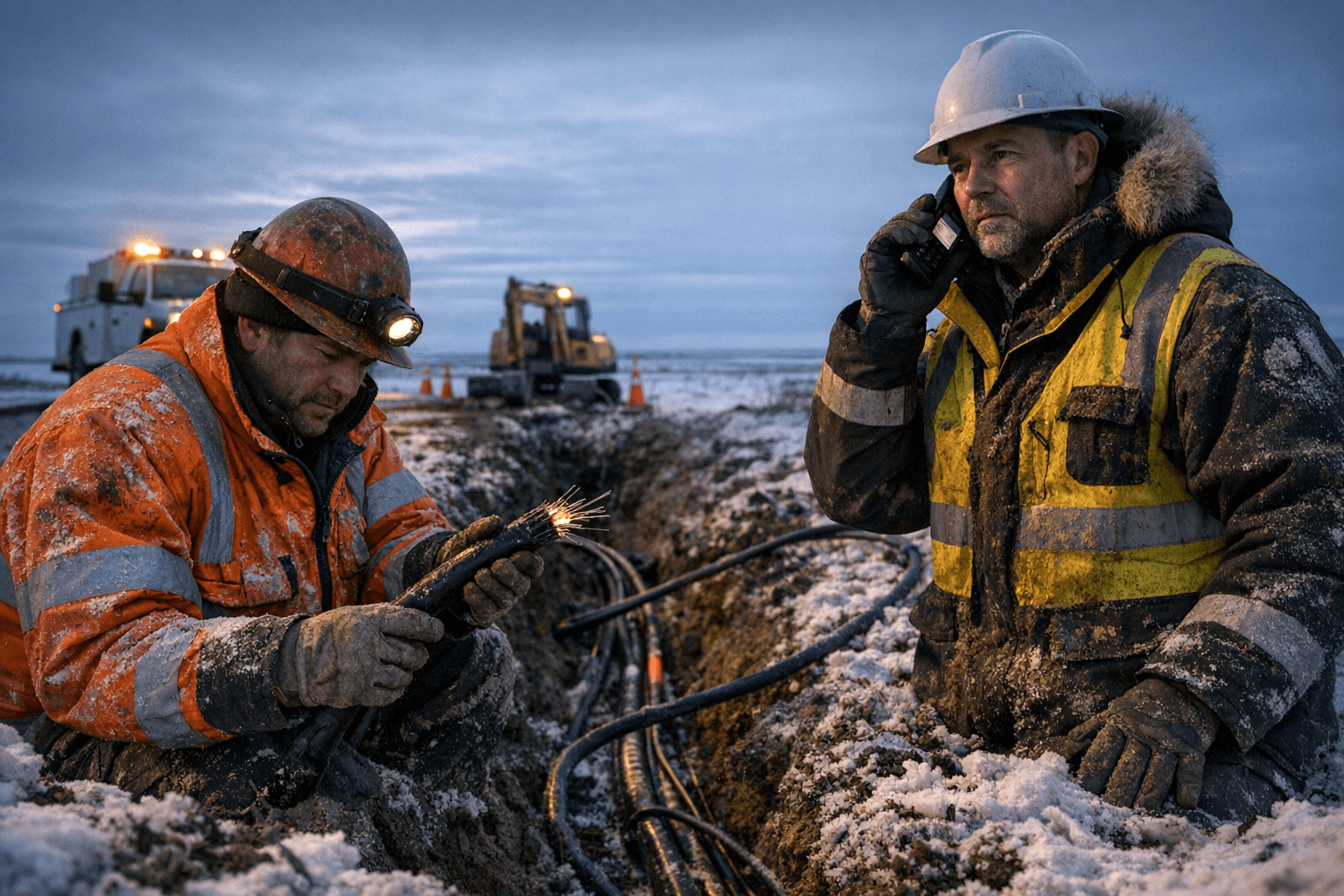
The near-term work is less dramatic but more immediate: seismic survey crews, lease administration activity, and company stakeholder outreach will move through the region before any drill bit touches permafrost. Contracting tied to that early-stage work, including ice road construction, gravel logistics, and aviation support, flows to local firms first when companies honor local-hire and local-contracting commitments negotiated with the borough and Native corporations.
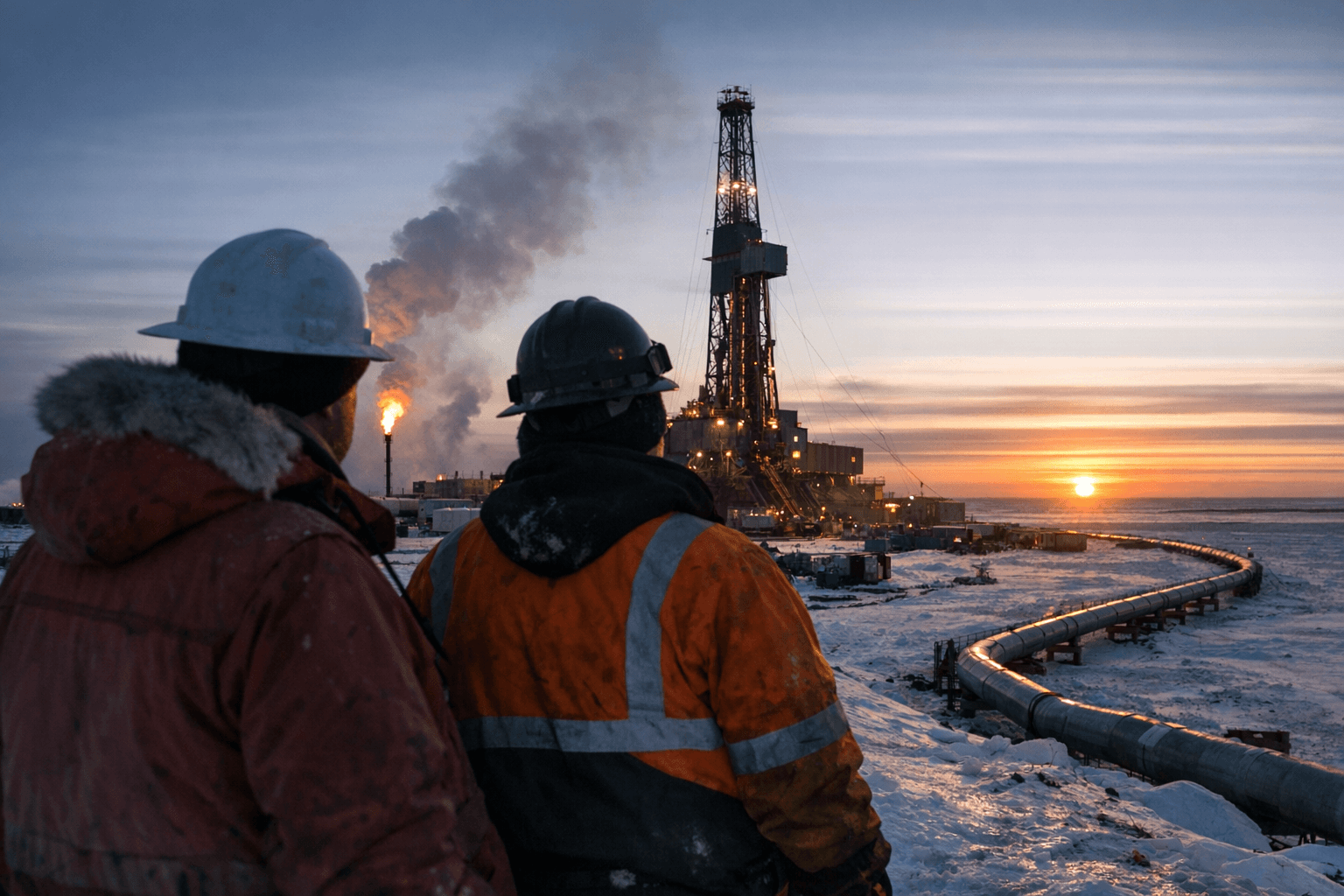
The NPR-A leases sit within a North Slope production landscape already in motion. ConocoPhillips is advancing the Willow project, Hilcorp is pursuing Project Taiga at Prudhoe, and the Pikka unit is moving toward first oil. Together, those projects and any NPR-A developments that follow could reshape Alaska's production profile over the next decade, a period when Trans-Alaska Pipeline System throughput is under sustained pressure from declining legacy fields.
The complications are real. Logistics in the western NPR-A are formidable: the nearest pipeline infrastructure requires long tiebacks, seasonal ice road windows are finite, and permitting through federal and state agencies can stretch years before an appraisal well is approved. Environmental groups and subsistence communities have historically raised legal and cultural challenges to Arctic leasing, and litigation can delay or reshape development plans. For villages like Nuiqsut and Point Hope, the tradeoffs are not abstract: potential jobs and tax revenue sit alongside concrete concerns about effects on caribou migration, bowhead whale hunting, and coastal travel routes.
What the March sale established, unambiguously, is that private capital has re-engaged with Alaska's Arctic at a scale not seen in a generation. Whether that capital produces wells, roads, and borough revenue in the next five years depends on which of those 1.3 million acres yield promising seismic results and which operators have the appetite to follow through.
Sources:
Know something we missed? Have a correction or additional information?
Submit a Tip