AIDEA eyes nearly $200 million for Arctic refuge oil exploration
AIDEA is weighing up to $190 million for Arctic refuge work, a bet that could bring North Slope jobs and contracts or leave the state holding costly leases.
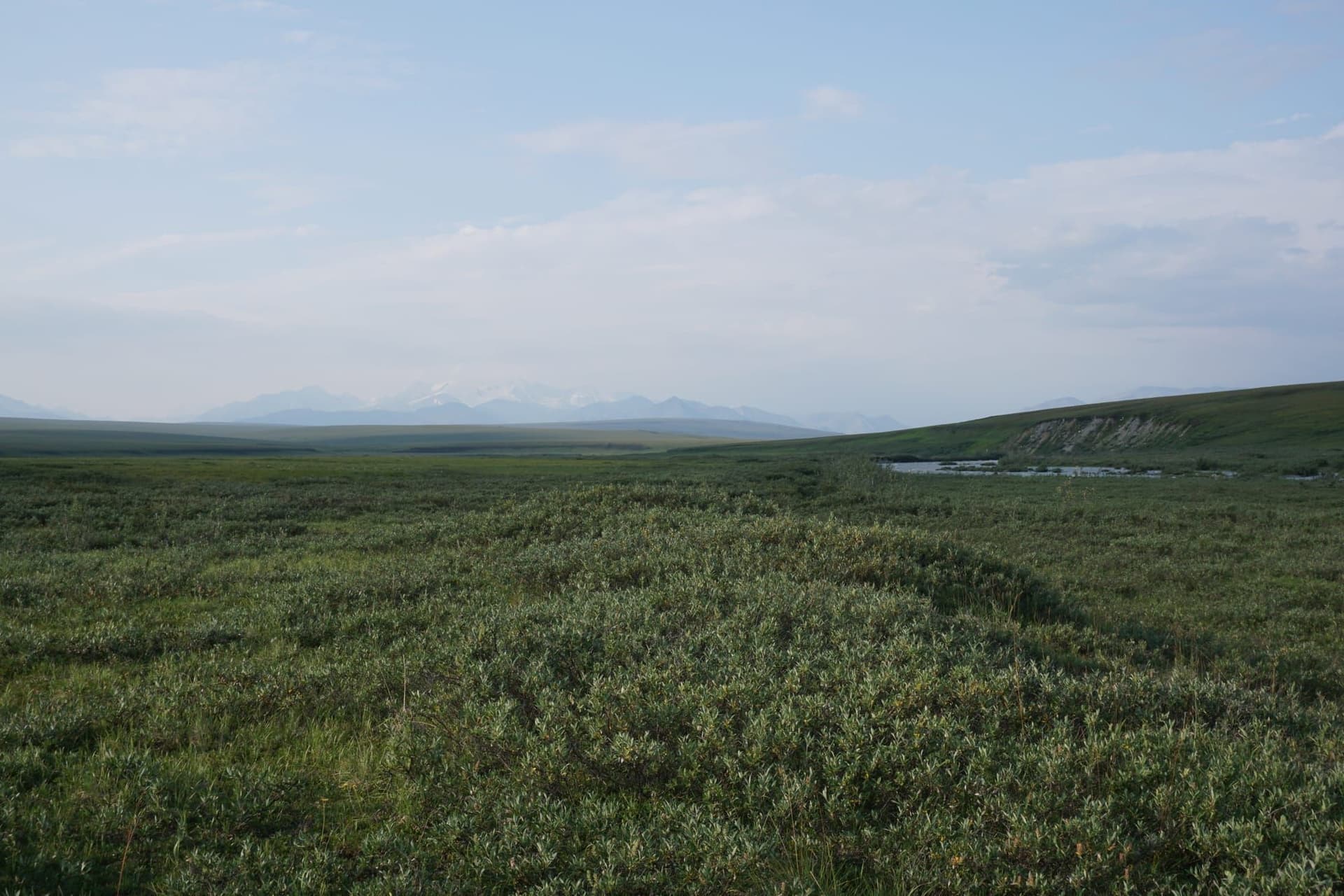
Alaska’s industrial development agency is considering nearly $200 million for oil exploration in the Arctic National Wildlife Refuge, a move that could send new work toward the North Slope or saddle the state with a very expensive gamble if the acreage never produces. The Alaska Industrial Development and Export Authority’s draft budget calls for up to $175 million in advanced geologic testing on its existing refuge leases and as much as $15 million to bid on new areas in the next federal sale.
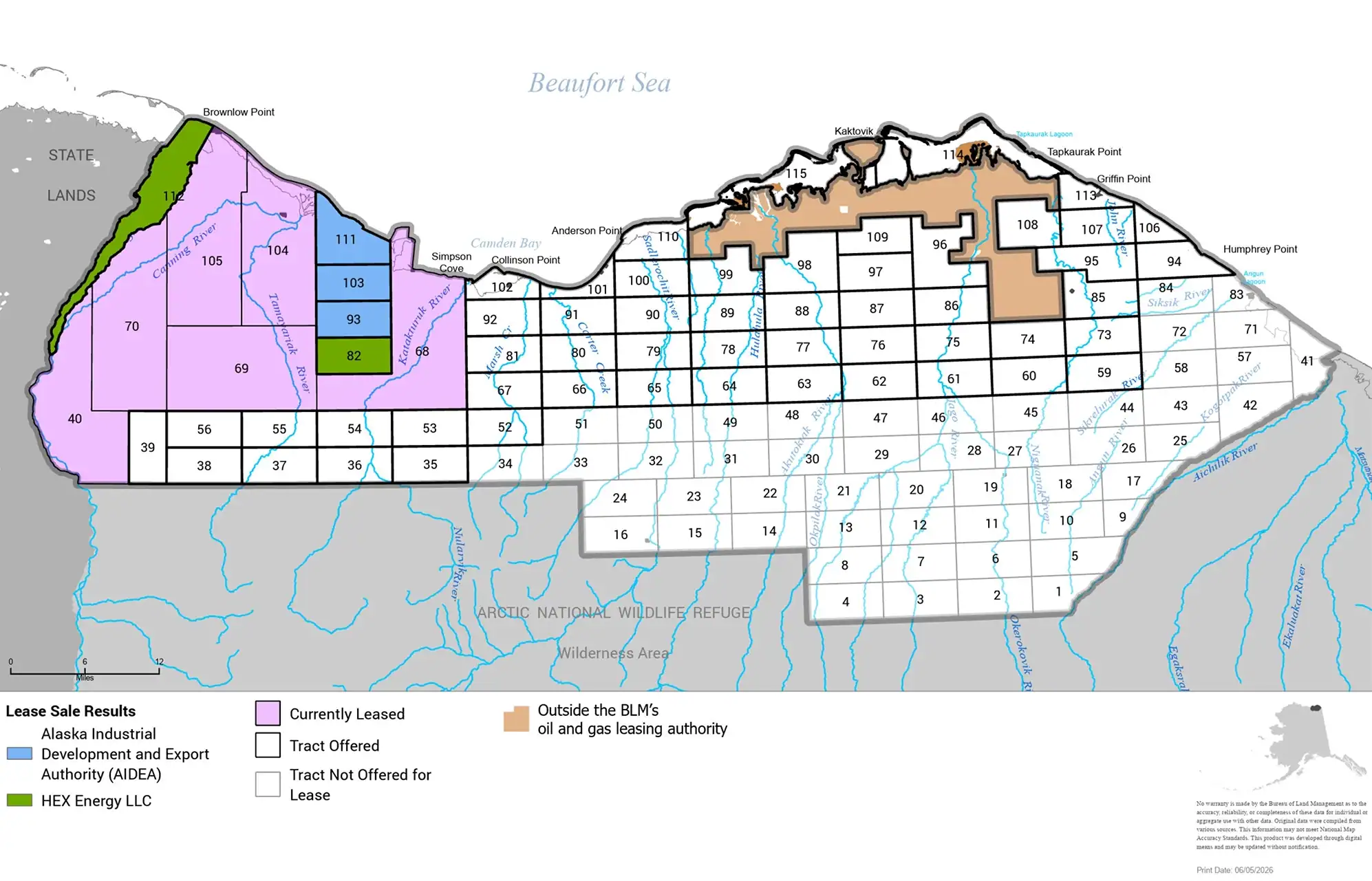
The spending plan is still waiting on approval from AIDEA’s governor-appointed board, but the proposal alone marks a major escalation in the state’s push to turn refuge leases into active development. AIDEA bought seven leases in the 2021 sale, totaling about 365,000 acres, after no major oil companies participated and the agency emerged as the top bidder. No exploratory work had been done on those leases as of the latest reporting.
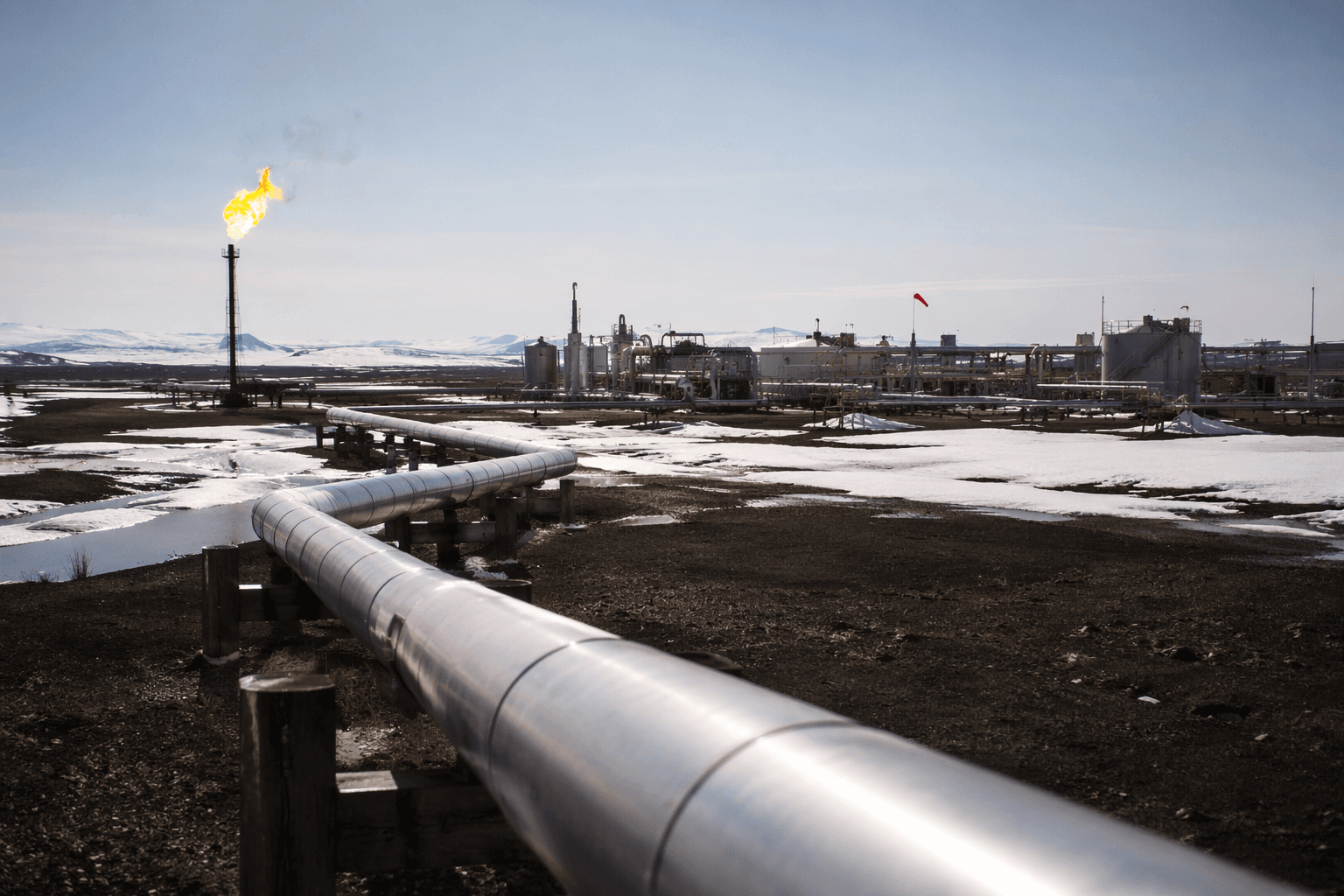
For North Slope communities, the stakes are practical as much as political. Supporters in Kaktovik and other coastal plain communities have long argued that opening the refuge could mean jobs, local contracting, borough revenues and more self-determination through development. Critics counter that the same money could be invested elsewhere, especially when the project is still far from existing infrastructure and would need roads, ice or snow access, logistics support and huge capital outlays before a barrel of oil could reach market.
That distance remains one of the project’s biggest economic hurdles. The refuge’s coastal plain covers about 1.5 million acres, and the main oil hub at Prudhoe Bay sits roughly 60 miles to the west. That is close enough to imagine a future supply chain, but far enough to make every phase of exploration and development more expensive, from field camps to transport to eventual production links.
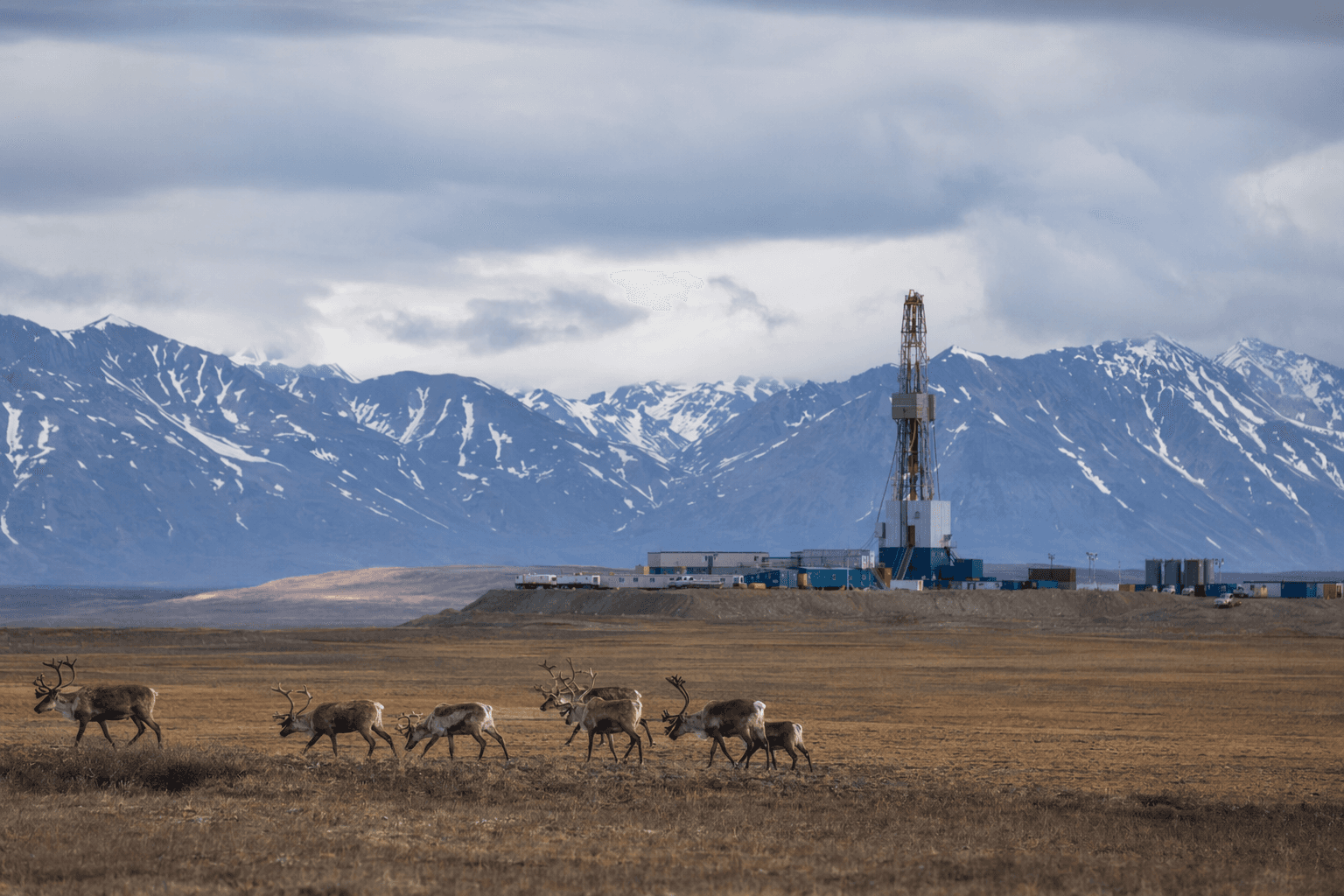
The legal fight is not finished, either. On March 25, 2025, U.S. District Judge Sharon Gleason in Anchorage ruled that the U.S. Department of the Interior acted illegally when it canceled AIDEA’s leases. Environmental and tribal groups, including the Gwich’in Steering Committee and Trustees for Alaska, appealed that decision, keeping the leases at the center of a longer battle over the Arctic refuge coastal plain.
That fight dates back to 1980, when Congress set aside less than 8% of the newly formed refuge for possible oil and gas development. Four decades later, the same question still divides state leaders, Native corporations, conservation groups and federal agencies. For AIDEA, the new budget would turn that political argument into a financial one: whether the refuge becomes a North Slope economic engine or another high-cost promise that never pays back.
This article was produced by Prism’s automated news system from verified source data, official records, and press releases, then run through automated quality and moderation checks before publishing. The system is built and supervised by the people who set the standards it runs under. Read our full AI policy.
Did this article answer your question?