Alaska adds civics requirement for high school graduation statewide
A new statewide civics requirement could force North Slope schools to decide who teaches it, what it replaces and how village students will meet it.
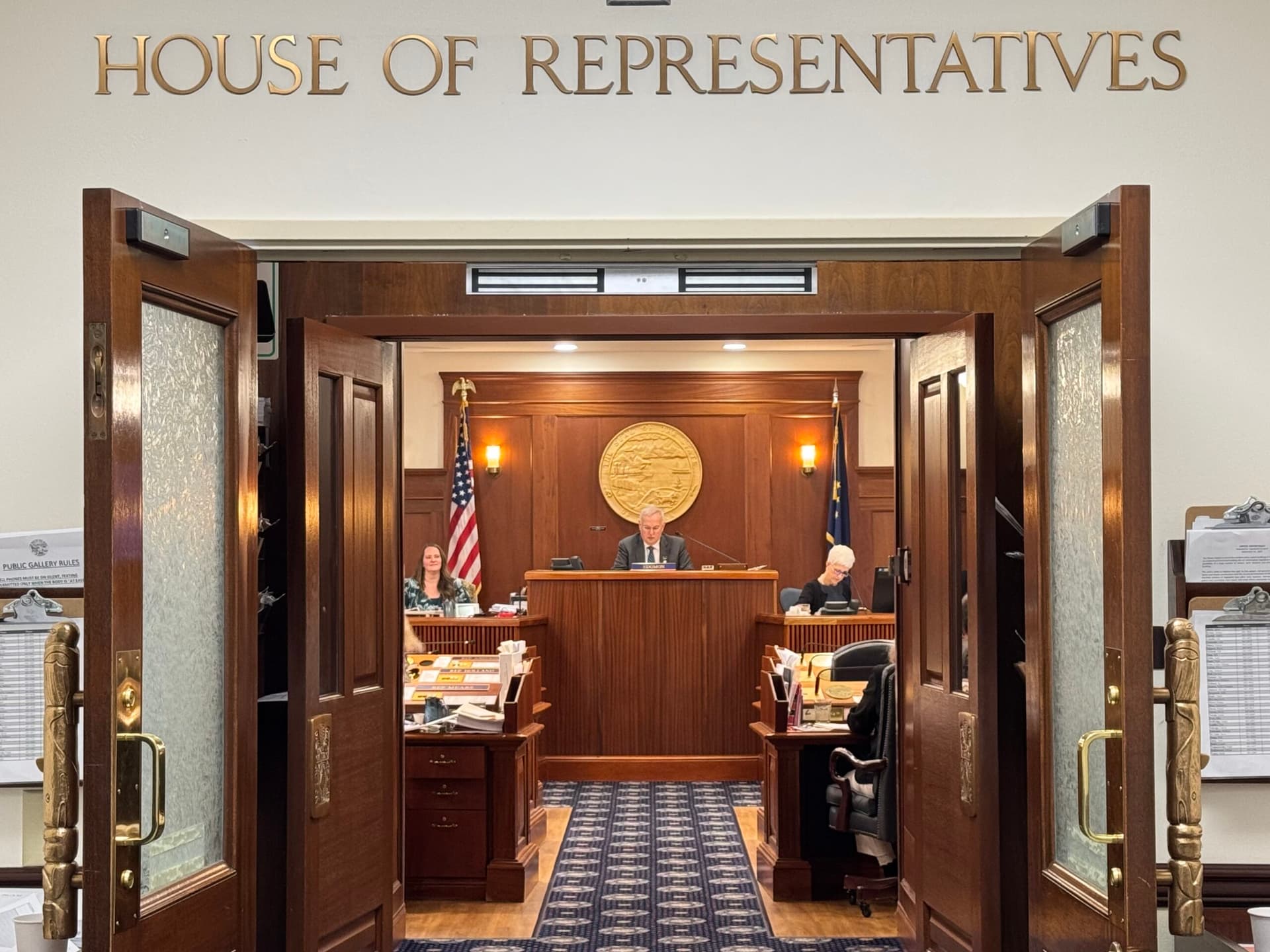
In Barrow, Nuiqsut, Point Hope and other North Slope schools, a new civics graduation rule could mean one more required course, one more exam or one more project to fit into already full high school schedules.
Lawmakers approved Senate Bill 23, “An Act relating to civics education, civics assessments, and secondary school graduation requirements; and providing for an effective date,” and transmitted the enrolled bill to Gov. Mike Dunleavy on May 20. If he signs it, vetoes it, or lets it become law without his signature, Alaska will add civics to the graduation checklist for public high school students statewide.
The bill gives students three ways to meet the requirement: complete and pass a semester of civics curriculum, pass a civics exam, or complete a civics project-based assessment. It would apply to students who start ninth grade in 2027, giving districts time to decide whether the new material becomes a stand-alone class, a unit inside an existing social studies course, or a graduation pathway attached to a project.
For North Slope Borough School District, the practical question is not whether civics matters. It is who teaches it, where it fits, and what gets shifted to make room. District leaders in a region with small staffs and long distances between schools will have to build the requirement into schedules that already cover graduation needs, electives and local priorities.
The state says it is not starting from scratch. The Alaska Department of Education and Early Development already maintains implementation materials, including a civics crosswalk, high-quality instructional materials and other social studies resources. Alaska’s 2024 social studies standards already ask students to explore civics, economics, geography and history across local, state, national and global levels, so the new graduation rule builds on existing standards rather than creating a new subject out of thin air.
That may matter most in rural and Indigenous communities. Alaska Native civics curriculum materials were developed in part because older high school civics lessons were seen as missing content that most directly affects Alaska Native students. In North Slope classrooms, where daily life already intersects with borough government, tribal organizations, the state and federal agencies, that kind of curriculum could feel less like an add-on and more like a practical map of power.
Sponsors say the change is overdue. Sen. Gary Stevens has argued that public trust in government has fallen, and Pew Research Center found trust in the federal government at 17 percent in 2025, down from 22 percent in 2024. For families in the North Slope, the bigger test now is whether the state’s free materials and district planning turn the new mandate into a useful civic-prep course, or simply one more requirement schools have to absorb.
This article was produced by Prism’s automated news system from verified source data, official records, and press releases, then run through automated quality and moderation checks before publishing. The system is built and supervised by the people who set the standards it runs under. Read our full AI policy.
Know something we missed? Have a correction or additional information?
Submit a Tip