Alaska House passes North Slope gas pipeline tax cut bill
House passage sent HB 381 to the Senate, but North Slope revenue from the pipeline would not start until 2031.

For Utqiagvik and the North Slope, Friday’s House vote was less a construction milestone than a test of whether lawmakers are willing to take a bigger risk on a project that has already spent years in the promise stage. HB 381 would replace Alaska’s 2 percent annual statewide oil and gas property tax with a per-unit tax on gas moving through the planned 800-mile pipeline, a change supporters say is meant to make Alaska LNG more financeable.
The Alaska House passed the bill 34-5 and sent it to the Senate. Senate Finance hearings were already set for June 15 and June 16, with the special session scheduled to end June 19, leaving a narrow window for changes before lawmakers run out of time.
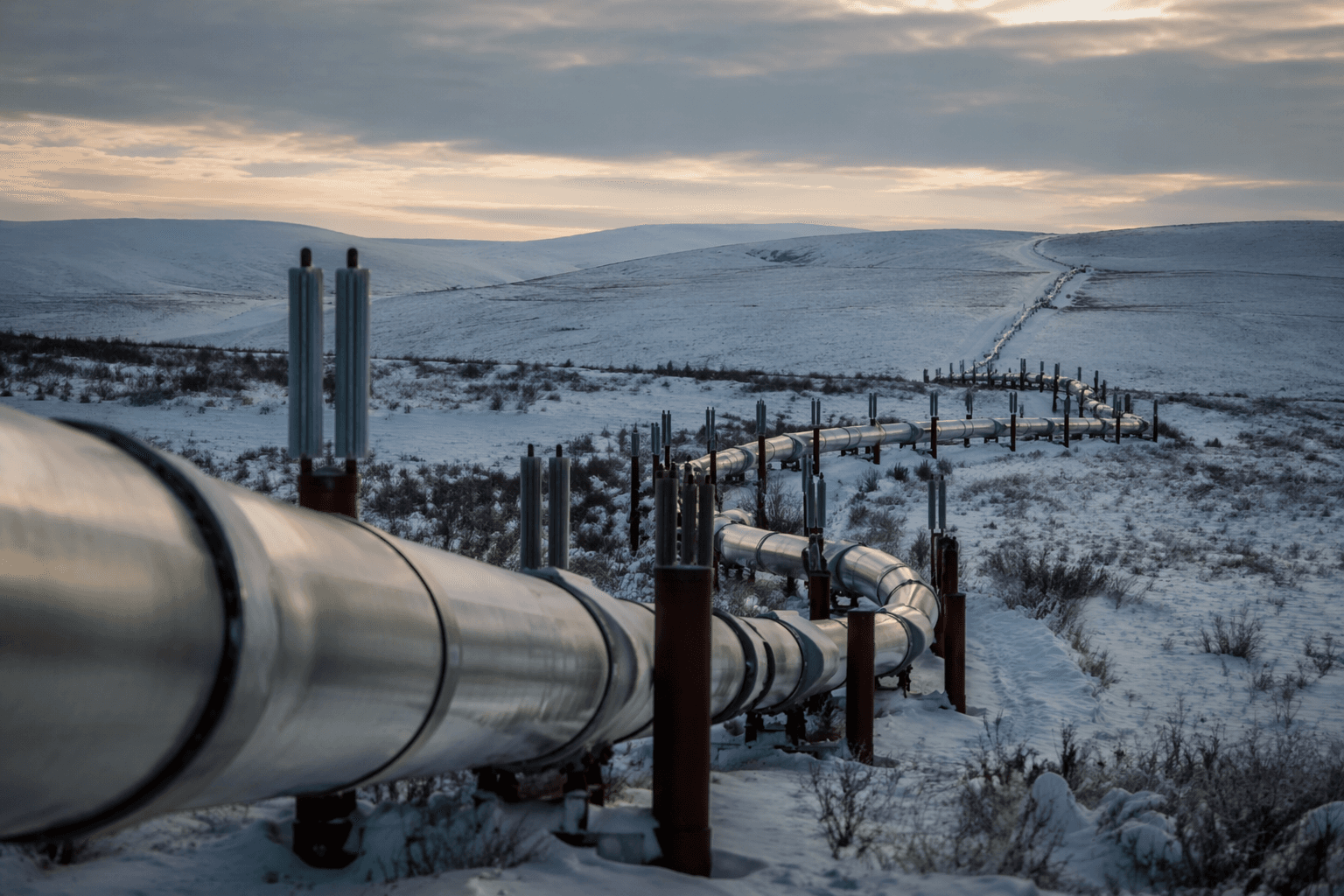
The projected upside is real, but it is still far off. Under the bill, the tax would not begin producing revenue until 2031 and would ramp up to about $131 million a year by 2033. Legislative estimates say 93 percent of that revenue would go directly to five boroughs along the pipeline route and the Municipality of Anchorage. By 2062, total taxes and royalties on the gas could reach about $23 billion, or roughly $600 million to $700 million a year.
Governor Mike Dunleavy called the House vote a significant step toward one of the largest economic development opportunities in Alaska’s history. The White House also issued a letter of support for his Alaska LNG tax reform bills, arguing that tax policy that improves feasibility can attract private investment. For supporters, the point is straightforward: lower the tax burden, improve the odds of construction, and unlock jobs, gas supply, and export revenue.
Even so, the bill does not guarantee a pipeline will be built. Glenfarne told lawmakers the project’s future would be in doubt without the change, but the company has also said Alaska would not be responsible for cost overruns. Legislative materials say high property taxes have been viewed as an impediment to Alaska LNG for more than a decade, and state and local officials were already studying a payment-in-lieu-of-tax structure in 2015 and 2017.
The package also includes commitments to a Fairbanks spur line, up to $80 million in reimbursements for community construction costs, Alaska union labor preferences, and a cap that would hold utility costs at $16 per unit of gas. The bill’s title also reaches into municipal property taxes, local contributions for public school funding, Alaska Gasline Development Corporation reporting, Regulatory Commission of Alaska contract approval, inflation adjustments to the maximum price of natural gas, agreements and payments related to the project, and municipal impact grants.
The sharpest North Slope objection came from Rep. Robyn Frier of Utqiagvik, who voted against the final version because she wanted local communities to keep the ability to negotiate their own tax deals with the developer. That is the real question for North Slope readers: whether HB 381 changes the project’s odds on paper, or whether it finally turns into concrete jobs and local revenue on the ground.
This article was produced by Prism’s automated news system from verified source data, official records, and press releases, then run through automated quality and moderation checks before publishing. The system is built and supervised by the people who set the standards it runs under. Read our full AI policy.
Did this article answer your question?