BLM plans faster permits for North Slope oil development
BLM is moving to standardize NPR-A drilling permits, a change that could cut review time to 60 days and reshape how North Slope communities weigh in.
Federal land managers are moving to speed oil development in the National Petroleum Reserve-Alaska, with a new permitting template that could cut some project reviews to 60 days if a proposal fits the agency’s definition of a production site.
The Bureau of Land Management has opened a National Environmental Policy Act process called Production Site Development in the National Petroleum Reserve in Alaska, and public scoping was underway as of May 18, 2026. Under the proposal, a company would file one application for a production site and spell out the number of wells, the size and location of gravel pads, and other construction details. Industry supporters say the change would bring more certainty and consistency to work they view as routine. Critics say it would narrow scrutiny across a huge Arctic land base that has become more attractive after this spring’s lease sale.

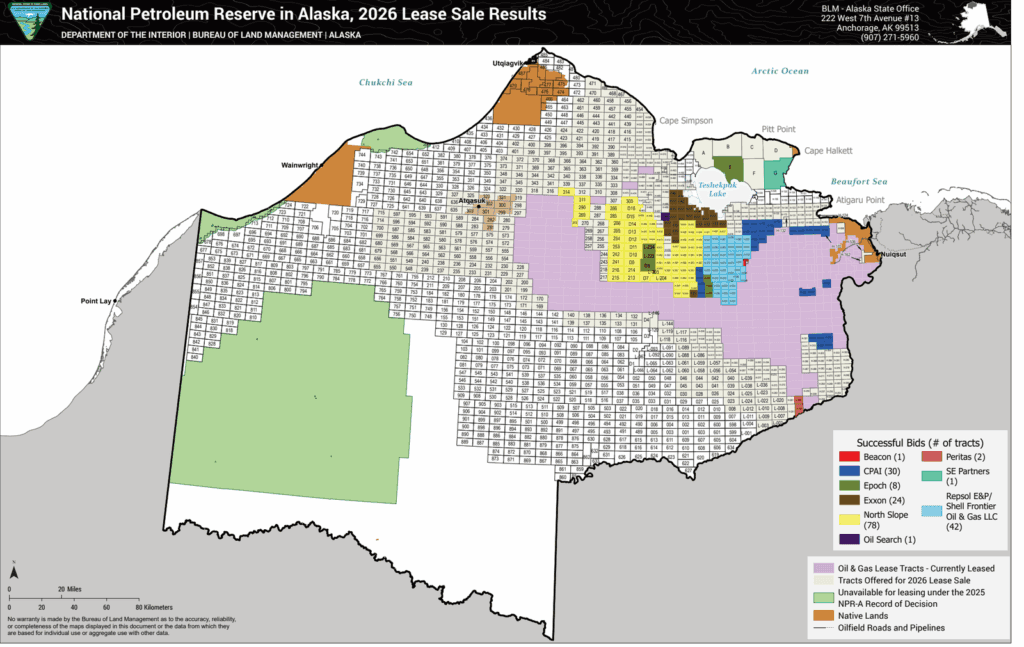
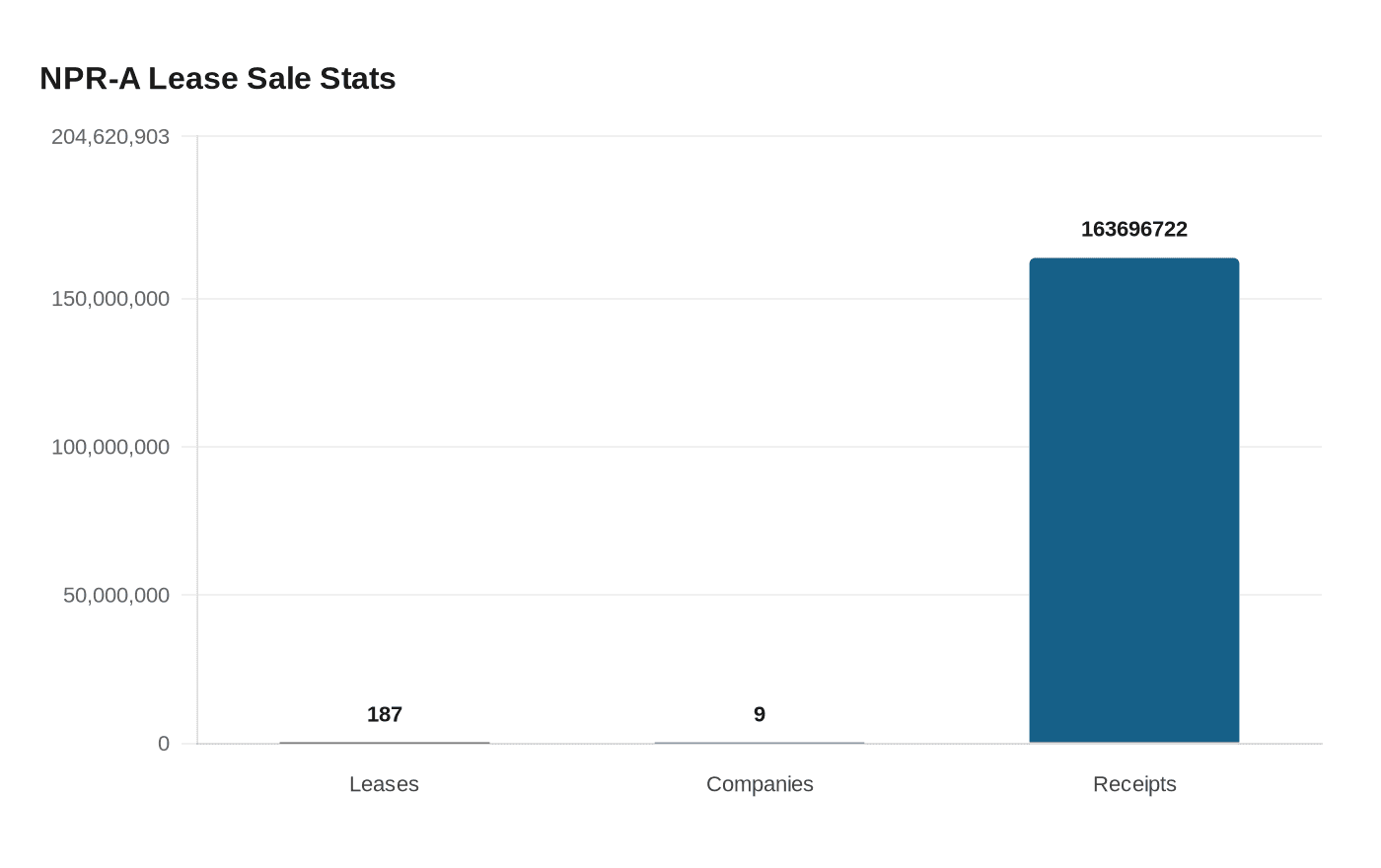
That March sale was the first in the reserve since 2019 and brought in 187 leases and $163,696,722 in receipts, the most revenue ever produced by a single NPR-A lease sale. The Department of the Interior said nine companies won leases on nearly 200 tracts across the reserve. BLM also said its updated integrated activity plan reopened nearly 82% of the 23-million-acre NPR-A to oil and gas leasing.
For North Slope residents, the speed question is not abstract. The NPR-A covers about 38% of the borough, according to a North Slope Borough technical report, and the borough’s subsistence appendix says winter trails and roads connect communities in and around the reserve. That means any shift in how fast roads, pads and drilling sites advance could affect travel routes, access to fish and wildlife, and the timing of contractor work that follows lease awards.
The new federal shortcut would not erase every layer of review. Projects near waterways would still need permits from the U.S. Army Corps of Engineers, and state and borough permitting would remain in place. The North Slope Borough Planning and Community Services Department says its planning work is committed to protecting land, wildlife and cultural heritage, and the borough already maintains online land and gravel permit systems along with standard industrial development permit stipulations for onshore and offshore projects.
That local process matters because borough officials, tribal entities and subsistence users still use permitting to press for changes to road placement, gravel pads and spill protection before construction advances. BLM says the NPR-A Working Group is the forum for North Slope communities to give regular input on management decisions and proposed activities, including leasing and pipeline development. The group includes borough regional entities, local mayors, tribal leaders and village corporation leaders.
The debate lands after BLM issued a December 22, 2025 record of decision for the NPR-A integrated activity plan and made it available on February 25, 2026. It also comes amid renewed tension over Arctic habitat and subsistence, including a March 2026 court ruling that restored protection for about a million acres of sensitive territory. For communities from Utqiaġvik and Wainwright to Atqasuk, Nuiqsut, Point Hope, Point Lay, Kaktovik and Anaktuvuk Pass, the fight is over whether faster permits mean more predictability, or less room to protect the places and wildlife that still shape daily life on the North Slope.
This article was produced by Prism’s automated news system from verified source data, official records, and press releases, then run through automated quality and moderation checks before publishing. The system is built and supervised by the people who set the standards it runs under. Read our full AI policy.
Did this article answer your question?