Draft Alaska LNG review raises costs if project stalls on North Slope
A secret Alaska LNG review suggests the state could owe money if the project unravels, sharpening the tax fight over North Slope revenue and leverage.
A confidential draft review of the Alaska Gasline Development Corp. and Glenfarne agreement estimated a concession at about $16 billion and flagged the risk Alaska could pay to retake control if the project falls apart. The North Slope Borough is based in Utqiaġvik and home to about 10,500 residents; the project starts on the North Slope, and local governments there depend heavily on the oil-and-gas tax base for future revenue, jobs and bargaining power.
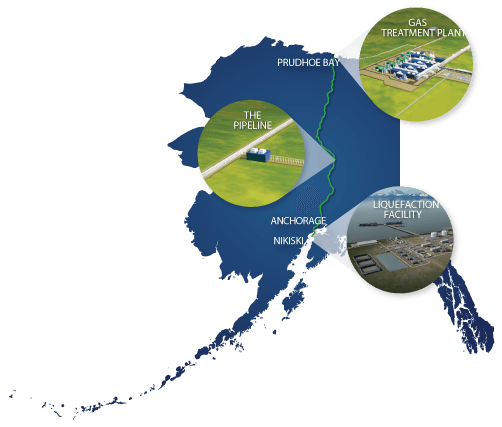
The project would stretch 807 miles from the North Slope to Southcentral Alaska and includes a gas treatment plant on the North Slope and an export terminal at Nikiski on the Kenai Peninsula. Alaska LNG expects gas sales to Alaskans to begin by 2029 and LNG exports by 2031, a timeline that leaves lawmakers with a special-session deadline to settle the tax dispute.
Gov. Mike Dunleavy’s proposal would replace the current 2% annual statewide oil-and-gas property tax on project facilities with an alternative volumetric tax based on throughput. The Alaska Department of Revenue estimates that structure could amount to roughly a 90% reduction in property-tax revenue at full capacity. Legislative fiscal notes say the bill could also affect production tax, corporate income tax, royalty revenue and local school funding calculations.
The draft review gave senators a more detailed picture of the relationship between AGDC and Glenfarne, the private developer that took over leadership of the project. In March 2025, AGDC approved a confidential deal giving Glenfarne 75% of 8 Star Alaska, the AGDC subsidiary holding project assets, while AGDC kept 25%. The draft analysis says the state might have to pay to regain control in some scenarios.
House Bill 381 passed the Alaska House on June 12 by a 34-5 vote, and the Alaska Senate approved a tax-cut bill on June 20 by a 12-8 vote. But Senate leaders said the amendments likely killed the bill unless changed, while House and Senate negotiators formed a conference committee to try to settle a final draft before the deadline. If they miss it, the bill could die or force another special session.
This article was produced by Prism’s automated news system from verified source data, official records, and press releases, then run through automated quality and moderation checks before publishing. The system is built and supervised by the people who set the standards it runs under. Read our full AI policy.
Did this article answer your question?