Dunleavy joins U.S. Arctic Research Commission, boosting Alaska’s voice
Dunleavy's new seat could steer federal Arctic research dollars toward sea ice forecasts, coastal erosion maps and subsistence safety on the North Slope.

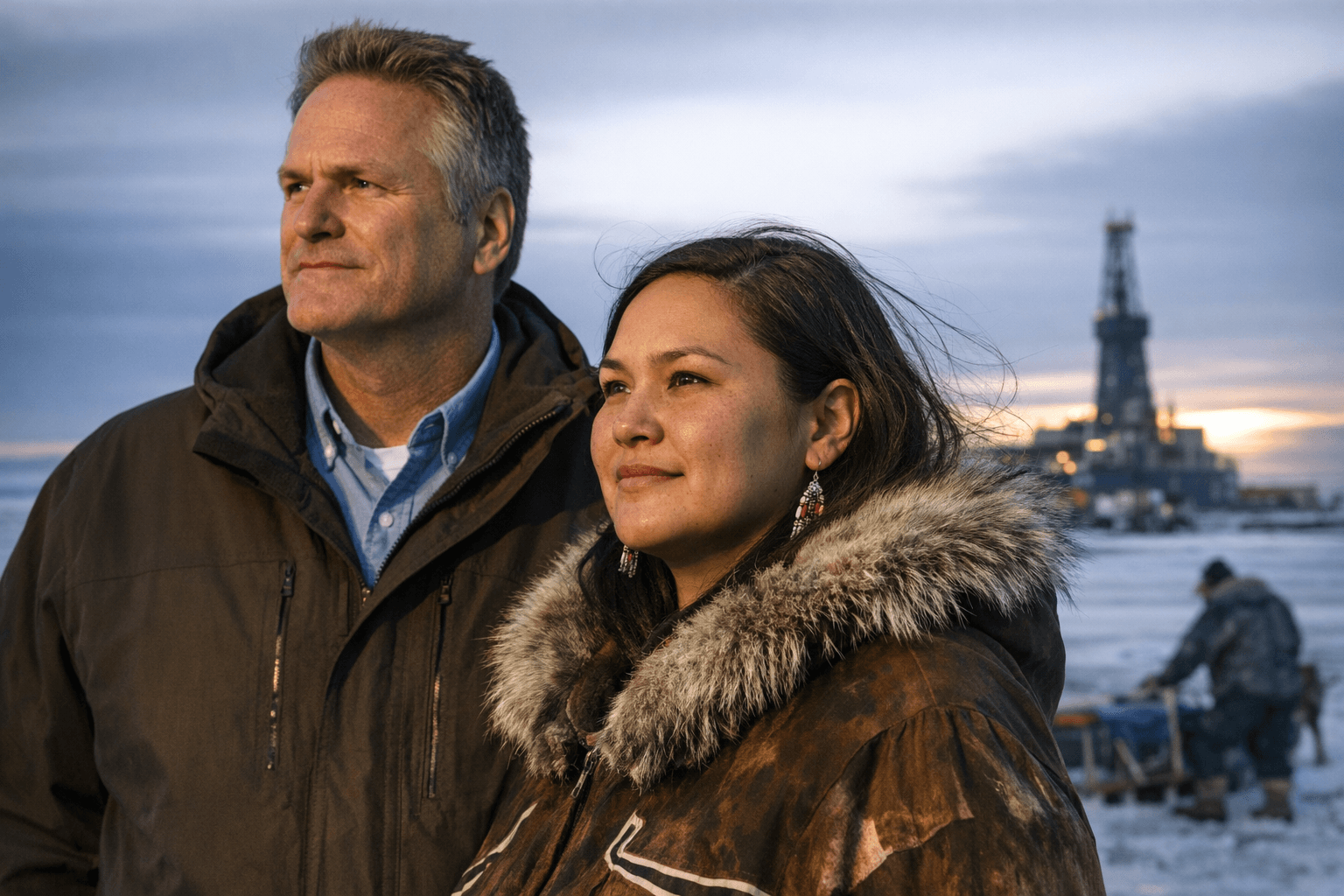
Gov. Mike Dunleavy’s new seat on the U.S. Arctic Research Commission gives Alaska a direct voice inside the federal panel that advises the President and Congress on Arctic research, but the real test is whether that voice brings tangible wins for the North Slope. The commission welcomed Dunleavy on April 14, and Alaska Public Media reported the next day that he is the first sitting governor ever to serve on the seven-member body.
That matters in Utqiagvik, Wainwright, Point Hope and Prudhoe Bay, where research priorities can shape how people travel, hunt, build and respond to changing conditions. The North Slope Borough says it works with tribes, cities, corporations, schools and businesses to support a strong culture and a vibrant economy, and its Wildlife Management department already conducts research on subsistence resources. For borough residents, the question is simple: will Dunleavy’s presence help push federal attention toward sea ice forecasting, mapping, coastal change and infrastructure planning, or will the seat remain largely symbolic?
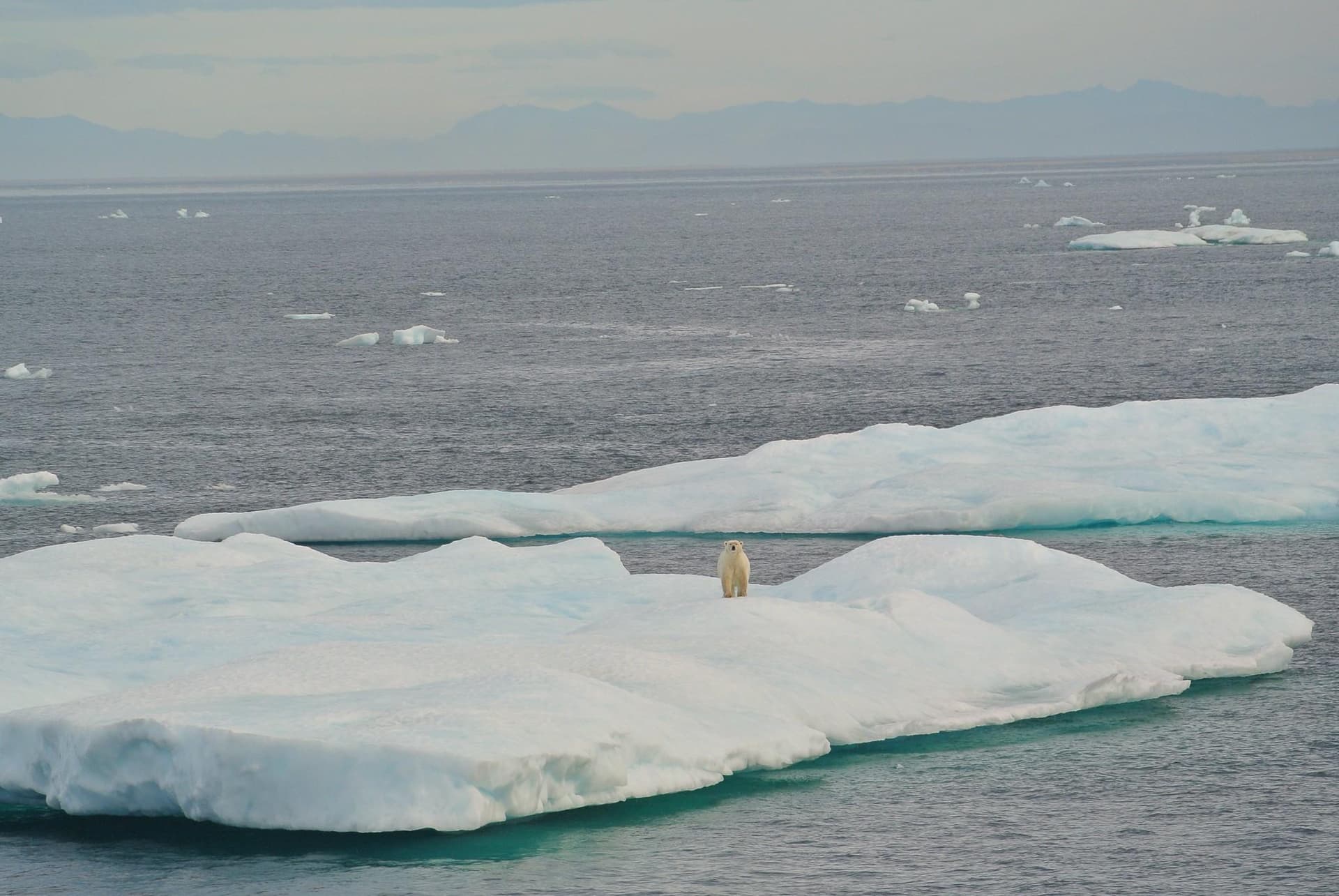
The commission was created by the Arctic Research and Policy Act of 1984 and has long been a place where science, policy and national strategy meet. Its current chair, Thomas Emanuel Dans, was appointed Dec. 2, 2025, and the commission has been putting more emphasis on security, military defense and economic development. That shift could matter across the North Slope, where coastal erosion, thawing permafrost and sea ice loss affect not only research stations and energy operators but also subsistence travel and village safety.
Federal research priorities can have immediate consequences on the ground. A 2026 sea-ice forecasting tool aimed at Western Alaska communities was designed to help people travel and subsist more safely, while COAST-X 2026 is documenting coastal erosion, permafrost thaw, storm impacts and sea ice loss in Arctic coastal communities. Those kinds of projects are not academic abstractions in the North Slope Borough; they affect when whalers can move, how emergency planners prepare and where future roads, pads and other infrastructure can hold up.
Dunleavy’s appointment also lands in the middle of a broader policy debate. Sen. Lisa Murkowski’s 2024 Arctic Research and Policy Amendments Act proposed broadening Arctic research policy to include national and homeland defense and expanding the commission to include an Alaskan appointed by the governor. Alaska Beacon reported that the commission is already moving in that direction, and it noted Dunleavy’s 2019 veto of 41% of University of Alaska funding, a history that still shapes how some researchers and local leaders view his Arctic role.
The commission said Dunleavy’s appointment would help shape Arctic policy and innovation and strengthen collaboration with Alaska and Arctic communities. He is unpaid, though commissioners may receive travel reimbursement and per diem for up to 90 days a year. For the North Slope, the measure of success will be whether that access translates into better data, safer travel, stronger mapping and more federal attention on the daily realities of life above the Arctic Circle.
Sources:
Know something we missed? Have a correction or additional information?
Submit a Tip