House approves North Slope Borough tax power, likely dooming pension deal
A 21-19 House vote raised North Slope tax power to 9 cents and put the pension deal on life support, as borough revenue and LNG costs collided.
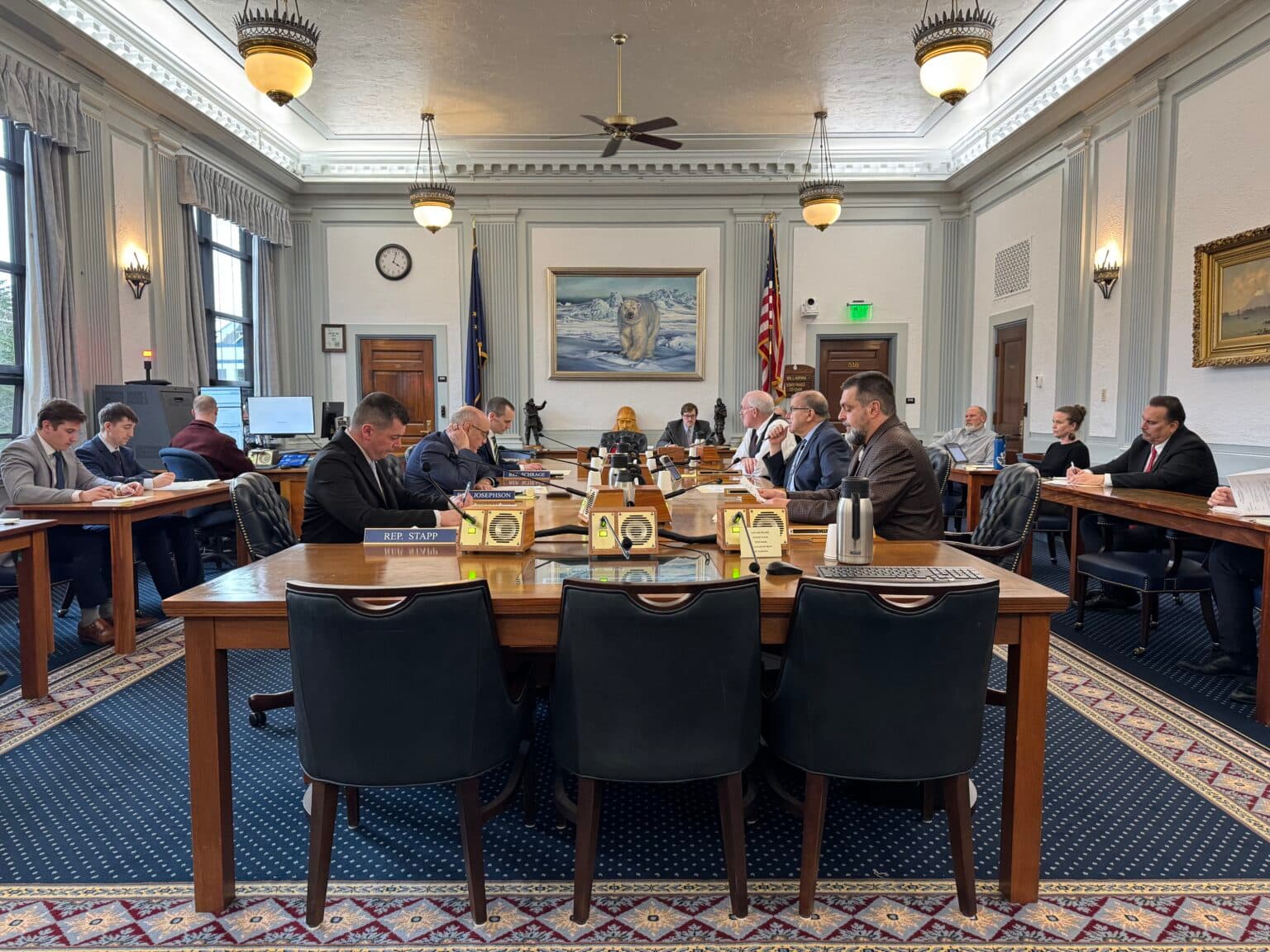
By a 21-19 vote, the Alaska House pushed through a North Slope tax amendment that raised the Alternative Volumetric Tax to 9 cents per 1,000 cubic feet, a change that is likely to sink the pension deal and invite a veto from Gov. Mike Dunleavy. The maneuver turned a pension bill into a fight over who controls oil and gas revenue on the North Slope, who pays for an LNG buildout, and which local governments keep the tax base that has long underwritten their services.
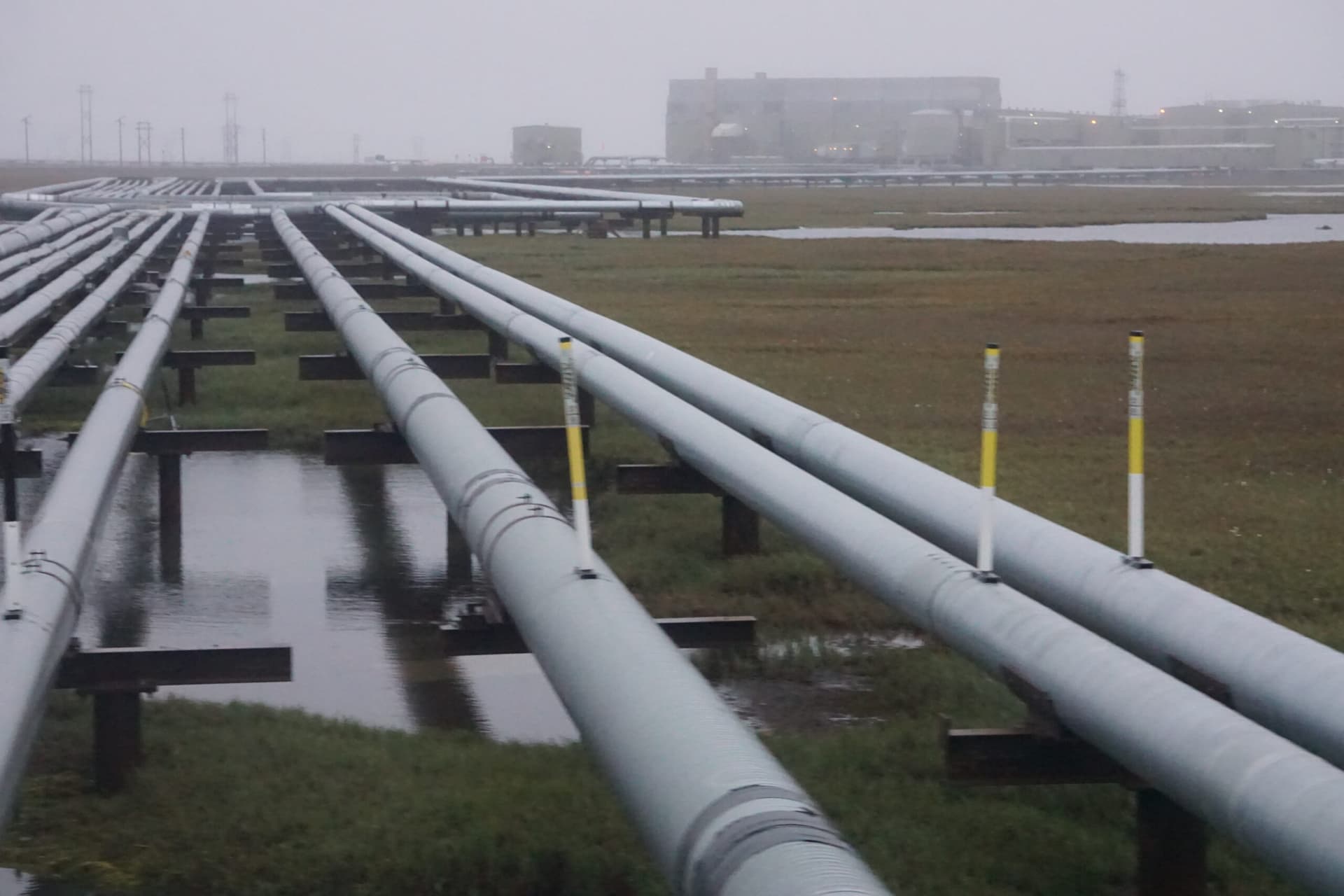
For the North Slope Borough, the stakes are immediate. The borough has 11,031 residents, with Utqiaġvik as its seat and largest city, yet more than 90% of its annual budget comes from oil and gas infrastructure taxes. In 2019, the borough said its budget was about $400 million and warned that a state move to strip its taxing power would blow a roughly $370 million hole in that budget. That money helps pay for schools, fire and police protection, infrastructure, erosion defense, search and rescue, health care and transportation across one of Alaska’s most expensive places to govern.
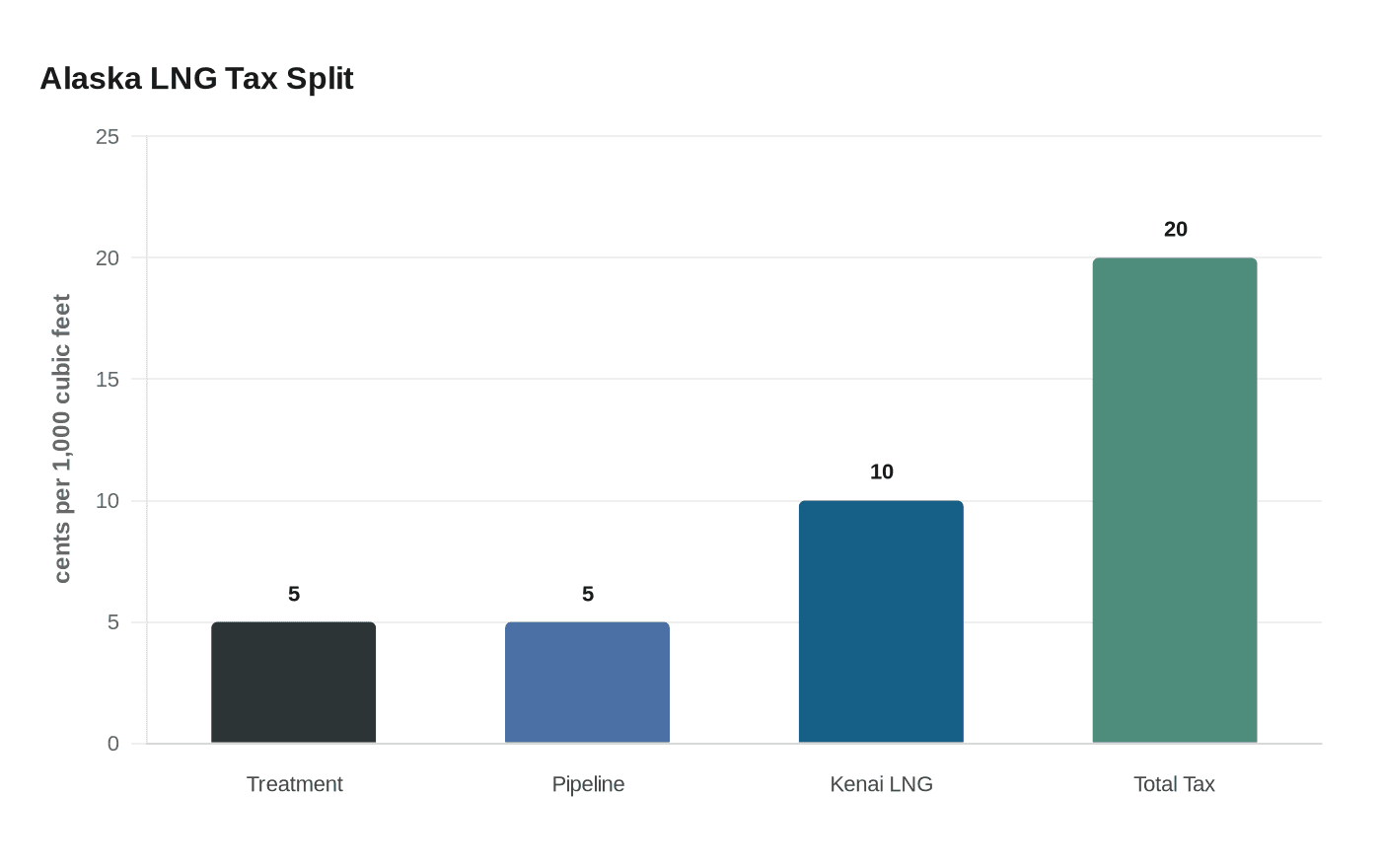
The new House language is tied to Alaska LNG and a separate tax framework in HB 381. Under the House Resources Committee draft, the project would face a total 20-cent-per-1,000-cubic-feet volumetric tax on exports, split 5 cents at the North Slope treatment plant, 5 cents on the pipeline and 10 cents at the Kenai Peninsula liquefaction facility. Legislative analysis says that once construction and ramp-up are complete, the bill would replace existing property taxes and many municipal taxes and fees with an Alternative Volumetric Tax. The Department of Revenue has also said a standalone LNG import terminal would not be exempt from property taxes, while some dual-use scenarios remain unclear.
That split matters because it shifts the bill from a narrow project incentive into a broader test of municipal power. In March, five Alaska mayors told the Senate Resources Committee they supported the gas line concept but warned that Dunleavy’s tax break proposal could push costs onto local governments and weaken municipal budgets. Kenai Peninsula Borough Mayor Peter Micciche called the governor’s offer a “bottom offer” and said his borough could not absorb more costs. Glenfarne Alaska LNG president Adam Prestidge said the company understood municipalities would be affected and that discussions were continuing. On the North Slope, Rep. Robyn Niayuq Frier said the House Resources draft was still a work in progress.
The pension bill carrying the tax fight was itself a major priority, with the House and Senate approving it in late April before Dunleavy vetoed it on May 18, according to the Legislature’s bill status page. Alaska Public Media reported that the state actuary estimated the new system would cost nearly $90 million a year for the first 13 years. The broader fight over borough taxing power now lands alongside another high-value dispute: the trans-Alaska pipeline system. After a 10-year settlement expired at the end of 2025, the Department of Revenue set the system’s 2026 value at $10.3 billion, while municipalities are seeking at least $20.083 billion, a gap that could shift hundreds of millions in property taxes among the state, the North Slope Borough, Fairbanks North Star Borough and Valdez.
Know something we missed? Have a correction or additional information?
Submit a Tip