Iñupiaq leaders weigh oil drilling, economic future in Arctic
A $163.7 million lease sale is sharpening the North Slope’s central tradeoff: more oil dollars for schools and borough services, or more pressure on subsistence lands.
Asisaun Toovak, Samuel Simmonds, Guy Okakok Sr. and Charles “Etok” Edwardsen Jr. are part of a North Slope debate that has become more urgent as federal drilling plans move faster. In Utqiaġvik, Kaktovik and Nuiqsut, the practical question is no longer abstract: if Arctic development accelerates, what changes first in daily life, the paychecks, the borough budget, or the land people depend on to hunt and fish?
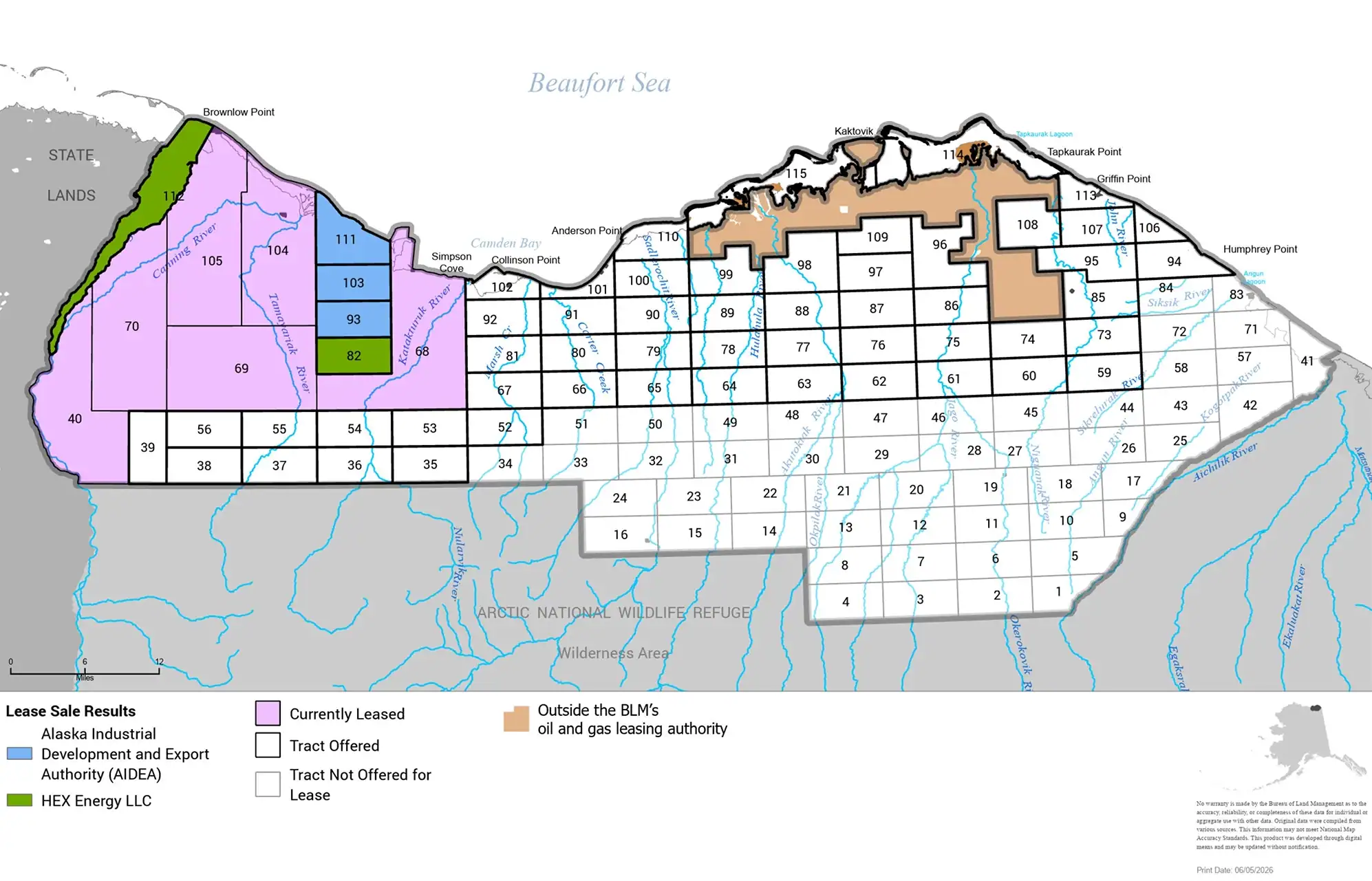
The biggest economic signal came from the National Petroleum Reserve in Alaska, a roughly 23-million-acre federal land unit on the North Slope that began as a Navy emergency oil reserve in 1923 and moved to Interior control in 1976. A March 18 lease sale brought in $163,696,722.20 in high bids and 187 leases from 625 tracts offered across about 5.5 million acres. Interior said it was the first NPR-A sale since 2019 and the most revenue ever generated in the reserve’s leasing program.
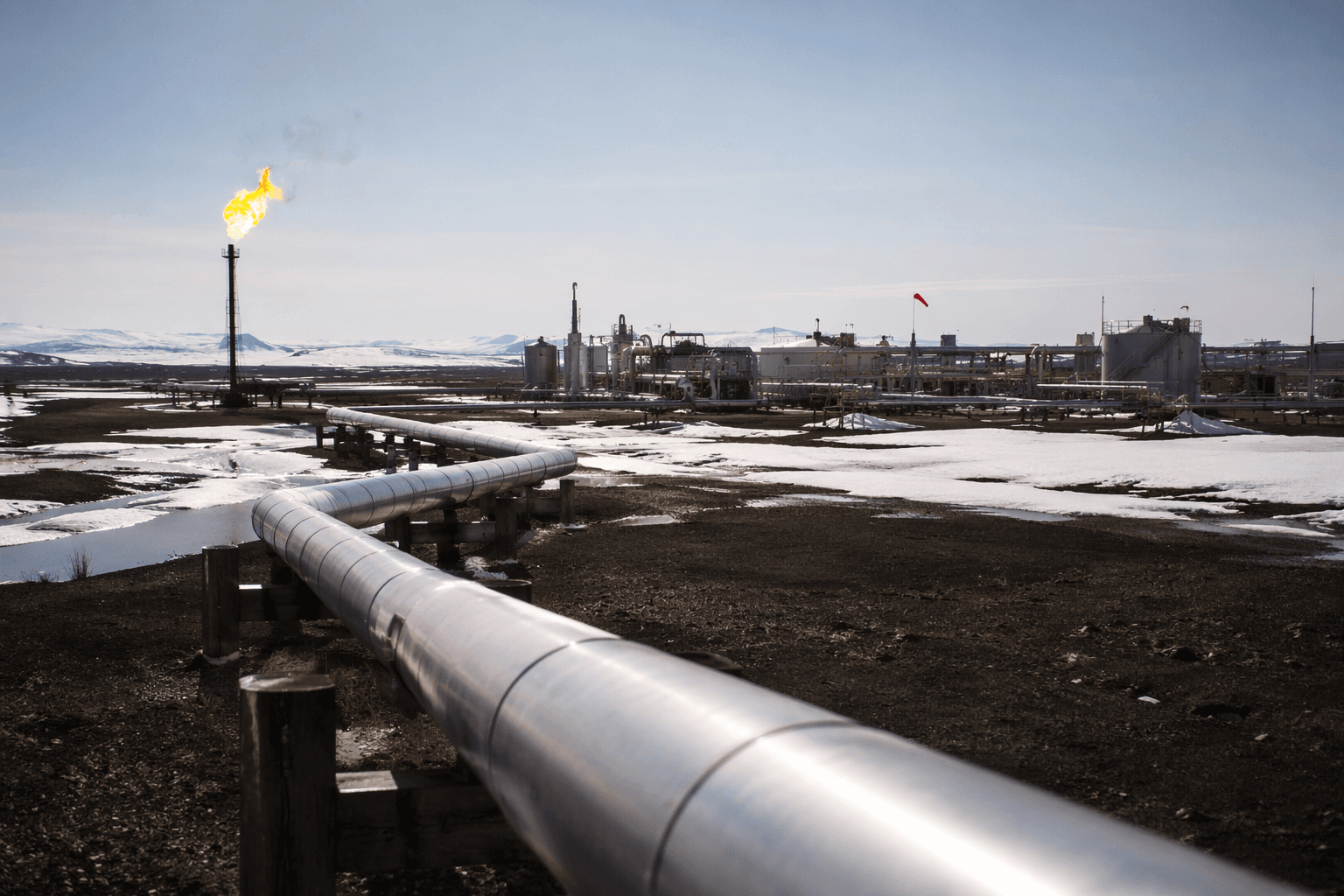
That kind of money matters on the North Slope because oil activity does not stay at the drill site. It flows into jobs, aviation, road use, camp services and borough revenue, then into the schools, clinics and local services that shape household stability across the region. VOICE, an Iñupiat-led nonprofit, has argued that more than 95% of North Slope Borough tax revenue comes from resource-development infrastructure. For many families, the argument is not whether oil exists, but whether it can keep funding the services that make life viable in a place where everything costs more.
At the same time, the land itself is part of the economic equation. In 2024, Interior said a draft analysis supported reopening up to 82% of the reserve to leasing and development, while a proposed rule would have protected about 13 million acres in Special Areas. Those include Teshekpuk Lake, the Utukok Uplands, the Colville River, Kasegaluk Lagoon and Peard Bay, all identified by the Bureau of Land Management as important habitat for grizzly bears, polar bears, caribou and hundreds of thousands of migratory birds. BLM also says North Slope residents depend on the Teshekpuk Lake area for customary and traditional use.
That is why Nuiqsut Trilateral, Inc. sought an approximately one-million-acre conservation right-of-way around Teshekpuk Lake to protect Teshekpuk Caribou Herd habitat. It is a local example of a broader North Slope strategy: shape development instead of simply accepting it. The North Slope Borough itself was created in 1972, after Arctic Slope communities approved it on June 20 of that year, giving local leaders taxing, planning and zoning powers that now sit at the center of this fight.
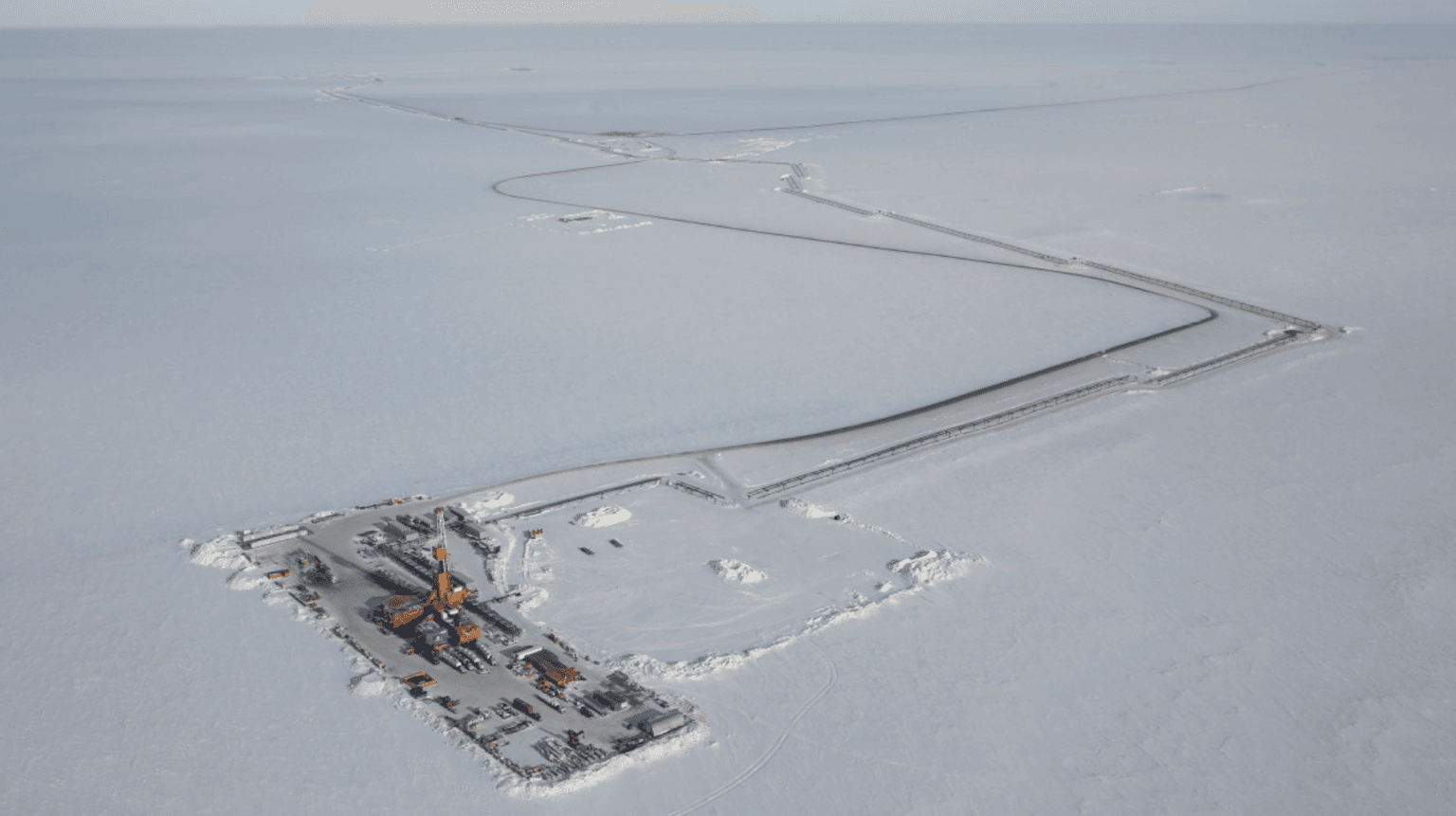
With President Donald J. Trump and Interior Secretary Doug Burgum pushing more development, the stakes are concrete. More drilling could mean more jobs and more borough revenue. It could also mean heavier industrial pressure on the places where North Slope families still gather food, travel safely and decide how much of their future they are willing to trade for oil.
This article was produced by Prism’s automated news system from verified source data, official records, and press releases, then run through automated quality and moderation checks before publishing. The system is built and supervised by the people who set the standards it runs under. Read our full AI policy.
Did this article answer your question?