Kern County Residents Push Officials to Address Fires, Dumping, and Homelessness
Tundra fires on Alaska's North Slope are burning at a 3,000-year peak, while village landfills and dumping enforcement reveal a fractured web of borough, state, and tribal responsibility.
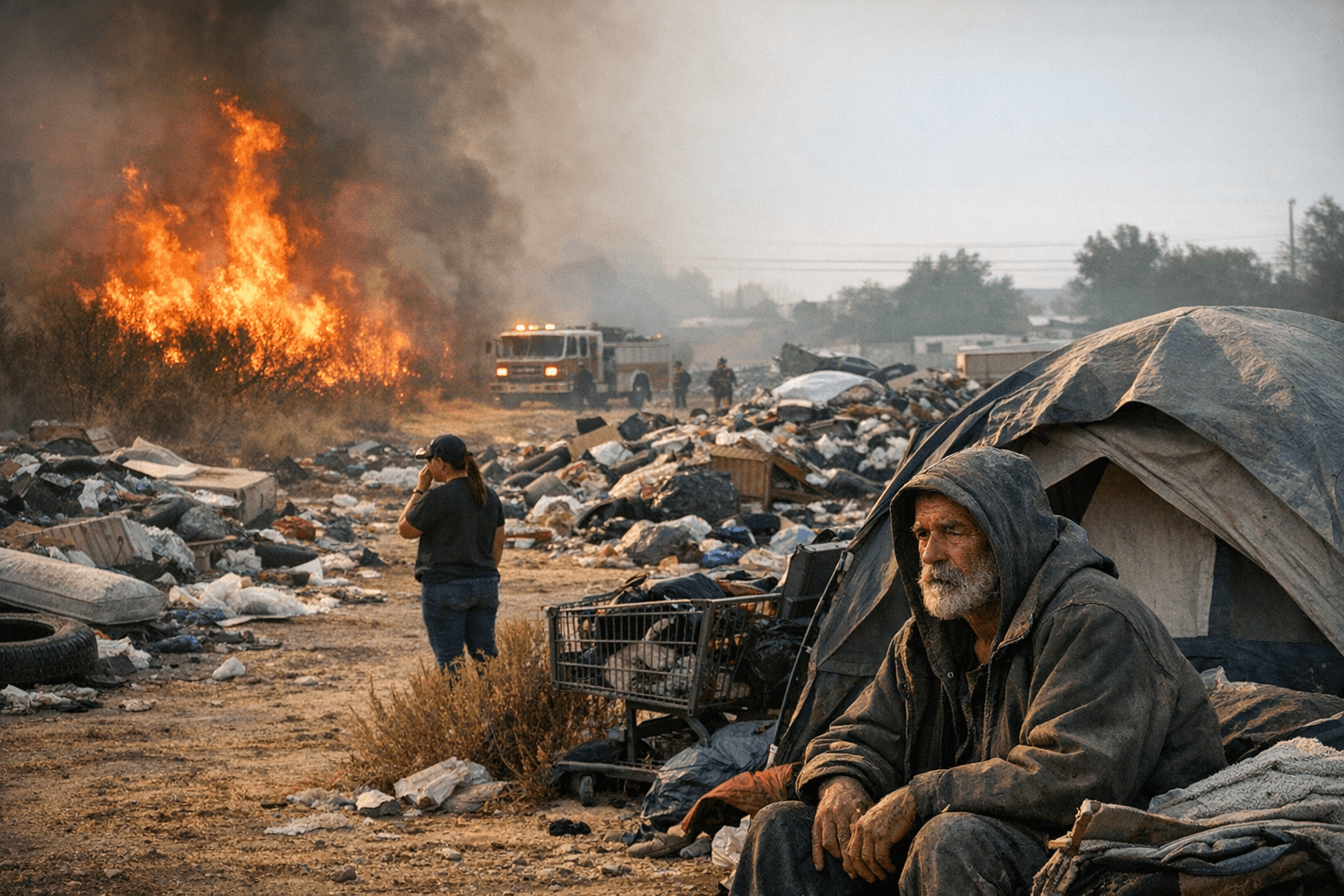
When Kern County residents confronted their county board last week over brush fires, illegal dumping, and homelessness encampments, they were raising concerns that residents of Alaska's North Slope Borough know intimately, even if the terrain looks nothing alike. On the North Slope, those problems arrive wrapped in permafrost, remote logistics, and a jurisdictional web that spans borough, city, state, and tribal governments, often with no clear lead agency when things go wrong.
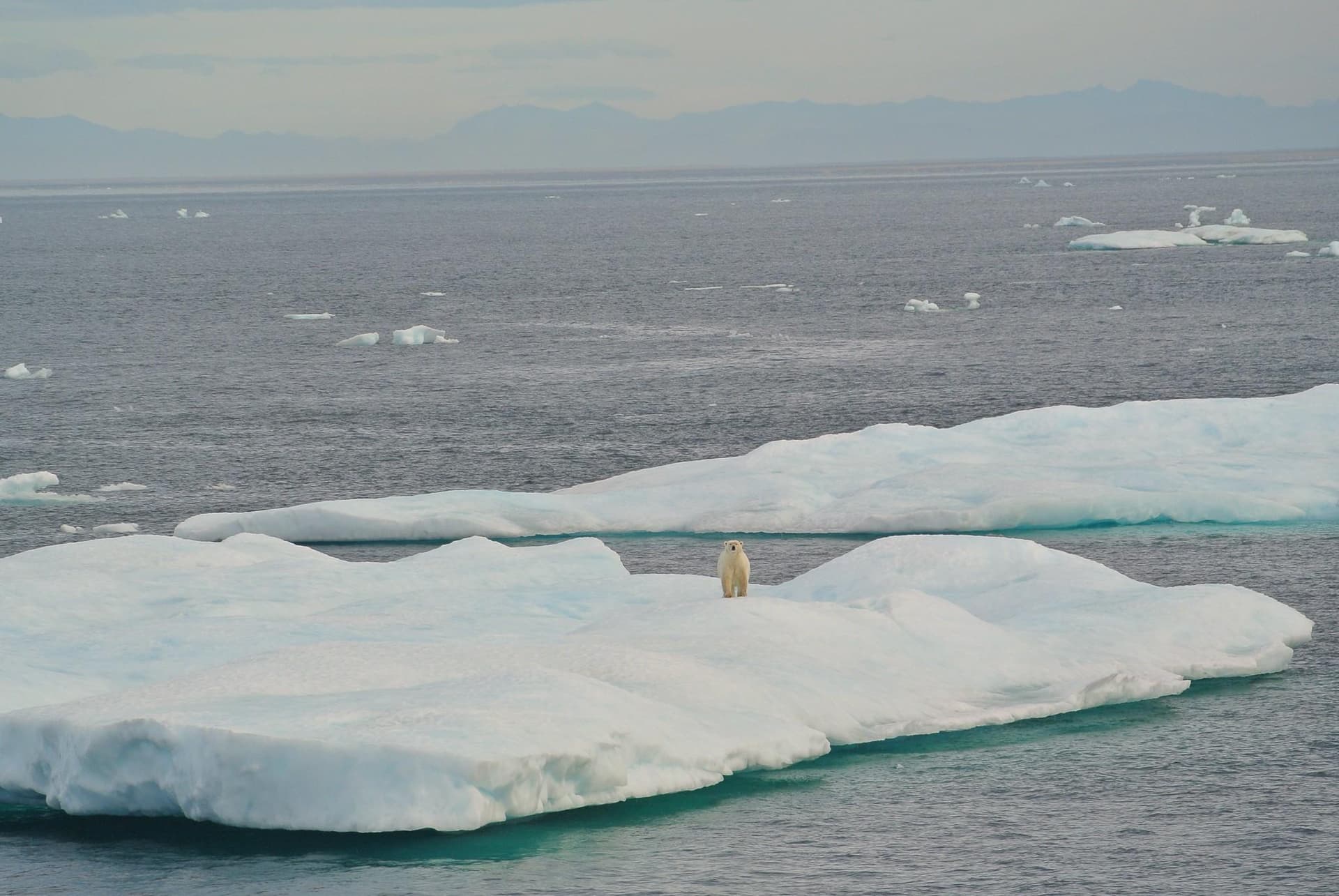
The fire threat alone has grown faster than the borough's response apparatus. Research published in late 2025 confirmed that tundra fires on Alaska's North Slope are occurring at a rate not seen in 3,000 years, driven by permafrost thaw and what scientists call "shrubification," a process in which warming temperatures allow woody plants to colonize tundra that was once too cold to sustain them. Drier soils and denser shrub cover together create conditions that carry fire in ways the region's communities have no historical experience managing. In July 2025, a single tundra fire on the North Slope ranked among the largest seen in recent years. The North Slope Borough Fire Department, which operates out of Utqiagvik and relies on a combination of career personnel and community volunteers to serve all eight villages, is designed for structural response. Tundra fires burning across hundreds of thousands of roadless acres fall primarily under the jurisdiction of the Bureau of Land Management's Alaska Fire Service, a federal operation based in Fairbanks, hundreds of miles to the south.
Solid waste tells a similar story of layered responsibility. The borough's Roads, Airports and Sanitation Division operates Class III landfills and manages solid waste collection and disposal in every North Slope village, while maintaining the Class II landfill and Barrow Thermal Oxidation System in Utqiagvik. Industrial and hazardous waste generated by oil field operations flows through the Oxbow Landfill, which operates under its own permitting structure, with regulated materials such as asbestos requiring specialized contractor handling. When waste ends up outside these systems, enforcement falls to the borough's Land Management Regulation Division, which administers land use rules under Title 19 of the municipal code and is authorized to pursue compliance actions. What the LMR Division cannot do is compel cleanup on federal or state land, which makes up most of the North Slope's geography.
The housing dimension mirrors Kern County's homelessness debate in a distinctly Arctic form. Severe overcrowding in North Slope villages, driven by a chronic shortage of units and the near-impossibility of affordable private construction in communities reachable only by air, concentrates housing insecurity inside existing homes rather than producing visible street encampments. The problem is less visible than Kern County's but no less acute for those living it.
What the Kern County situation clarifies, when held against the North Slope, is the value of a named official who owns each piece of the problem. In Kern County, residents knew which board to pressure. On the North Slope, a tundra fire that threatens a village may involve the borough fire department, the state Division of Forestry, the BLM Alaska Fire Service, and a tribal council all at once, with response times measured not in minutes but in flight hours. Closing that gap is not a question of community will; it is a question of which government is willing to fund the answer.
Let me now format this properly:
When Kern County residents confronted their county board last week over brush fires, illegal dumping, and homelessness encampments, they were raising concerns that communities across Alaska's North Slope Borough know in a different but parallel form. On the North Slope, those problems arrive wrapped in permafrost, remote logistics, and a jurisdictional web spanning borough, city, state, and tribal governments, often with no clear lead agency when things go wrong.
The fire threat has grown faster than the response apparatus. Research published in late 2025 confirmed that tundra fires on the North Slope are occurring at a rate not seen in 3,000 years, driven by permafrost thaw and what scientists call shrubification: warming temperatures allow woody plants to colonize land that was once too cold to sustain them. Drier soils and denser shrub cover together carry fire in ways the region's communities have no historical experience managing. In July 2025, a single North Slope tundra fire ranked among the largest seen in recent years. The North Slope Borough Fire Department, operating out of Utqiagvik with career personnel and community volunteers serving all eight villages, is built for structural response. Tundra fires burning across hundreds of thousands of roadless acres fall primarily under the Bureau of Land Management's Alaska Fire Service, a federal operation based in Fairbanks, hundreds of miles to the south.
Solid waste management tells a similar story of layered responsibility. The borough's Roads, Airports and Sanitation Division operates Class III landfills and manages solid waste collection and disposal in every North Slope village, while maintaining the Class II landfill and Barrow Thermal Oxidation System in Utqiagvik. Industrial and hazardous waste from oil field operations flows through the Oxbow Landfill, which operates under its own permitting structure, with regulated materials such as asbestos requiring certified contractor handling. When waste ends up outside these systems, enforcement authority falls to the borough's Land Management Regulation Division, which administers land use rules under Title 19 of the municipal code and can pursue compliance actions. What the LMR Division cannot compel is cleanup on federal or state land, which covers most of the North Slope's geography.
The housing dimension mirrors Kern County's homelessness crisis in a distinctly Arctic form. Severe overcrowding in North Slope villages, driven by chronic unit shortages and the near-impossibility of affordable private construction in communities accessible only by air, concentrates housing insecurity inside existing homes rather than producing visible street encampments. The problem is less visible than California's but no less acute for those living it.
What the Kern County situation clarifies, when set against the North Slope, is the practical value of a named official who owns each piece of the problem. In Kern County, residents knew which board to pressure. On the North Slope, a tundra fire threatening a village may simultaneously involve the borough fire department, the Alaska Division of Forestry, the BLM Alaska Fire Service, and a tribal council, with response times measured not in minutes but in flight hours. Identifying who funds the answer, and who answers for the gap, remains the borough's most pressing governance question.
Sources:
Know something we missed? Have a correction or additional information?
Submit a Tip