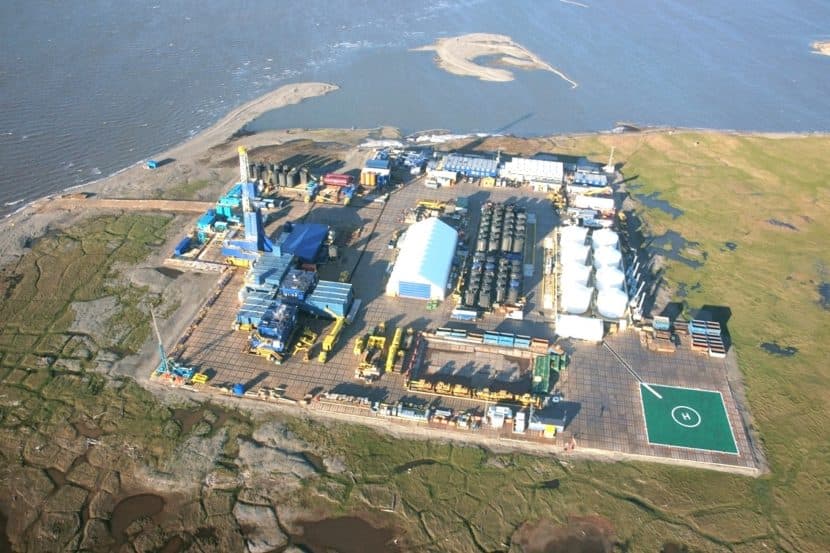
Kuparuk pipeline seeks 76 percent metering expansion at Pump Station 1
Kuparuk Transportation wants to lift metering at Pump Station 1 by 76%, adding room for Pikka-linked crude into TAPS.
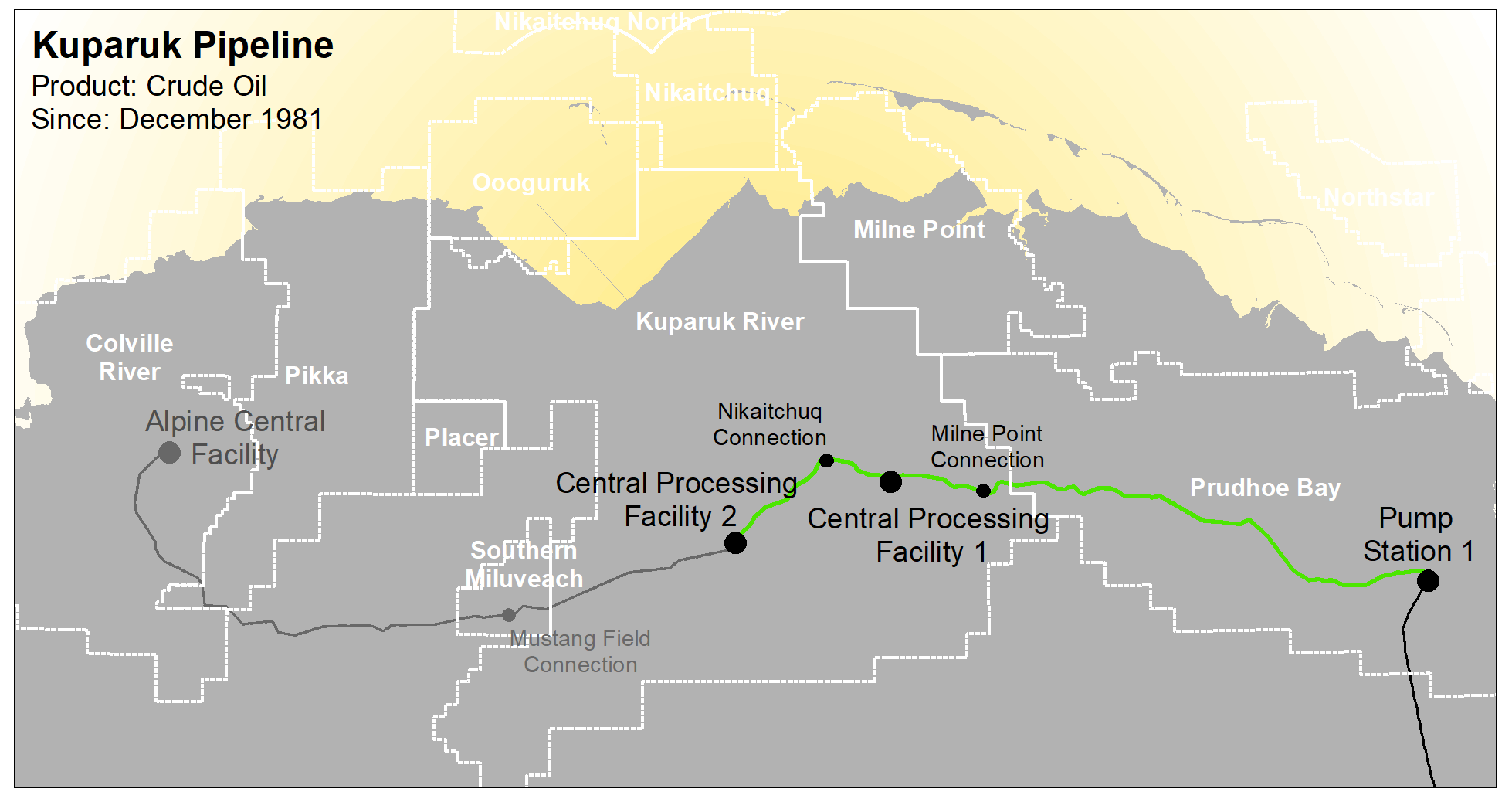
A planned 76 percent boost in Kuparuk pipeline metering at Pump Station 1 is really a test of how much more North Slope oil the system can handle, and how quickly. Kuparuk Transportation Company filed June 1 to raise capacity from 360,000 barrels a day to 634,000 barrels a day by adding a new meter module where the Kuparuk line connects into the Trans Alaska Pipeline System.
The practical question for North Slope residents is whether that means more jobs, more industrial traffic, or simply more room in the line for barrels already headed toward market. The filing seeks authority to modify existing facilities at the TAPS connection, and the Regulatory Commission of Alaska opened Docket P-26-009 to review it. The commission said it will decide by June 23 whether the application is complete.
The timing lines up with the Pikka development, which has become one of the clearest signs that North Slope production is entering a new phase. Santos announced first oil at Pikka on May 18, and the company says Pikka Phase 1 is expected to produce 80,000 barrels of oil a day gross at full production. Repsol has said the project is expected to reach a plateau of 80,000 gross barrels a day in the third quarter. The Pikka Sales Oil Pipeline is designed for up to 160,000 barrels a day, which helps explain why more metering room at Pump Station 1 matters now.
The broader pipeline system still has plenty of history behind it, but not much spare capacity in the way the North Slope once knew it. Alyeska’s throughput archive shows TAPS averaged 462,821 barrels a day in 2025, far below its 1988 peak of 2,032,928 barrels a day. Alyeska also says the line moved its 19 billionth barrel in 2025. Lower flow makes operations more complicated because oil moves more slowly and arrives colder.

Kuparuk itself remains a major piece of that network. ConocoPhillips says the Kuparuk oil pipeline runs about 37 miles from the Kuparuk River Unit at Central Processing Facility 2 to Pump Station 1 of TAPS. State records say the original 16-inch Kuparuk Pipeline was laid in 1981 and converted to the Oliktok Pipeline in 1984. ConocoPhillips describes Kuparuk as North America’s second-largest oil field, a reminder that this is not a small add-on but a key interface between older North Slope infrastructure and the next wave of production.
State geologic materials say the Pikka unit contains about 1.2 billion barrels of recoverable oil in the Nanushuk formation. That scale is why the new meter module at Pump Station 1 is being treated less like routine maintenance and more like a prerequisite for future growth. If the RCA approves the filing, the question on the North Slope will be whether the extra capacity becomes real throughput, or just the room needed to keep the next round of barrels moving.
This article was produced by Prism’s automated news system from verified source data, official records, and press releases, then run through automated quality and moderation checks before publishing. The system is built and supervised by the people who set the standards it runs under. Read our full AI policy.
Know something we missed? Have a correction or additional information?
Submit a Tip