Lawmakers approve $144 million for schools, energy relief included
North Slope schools could get one-year breathing room as lawmakers add $144 million for K-12 and $29 million to help districts with energy bills.
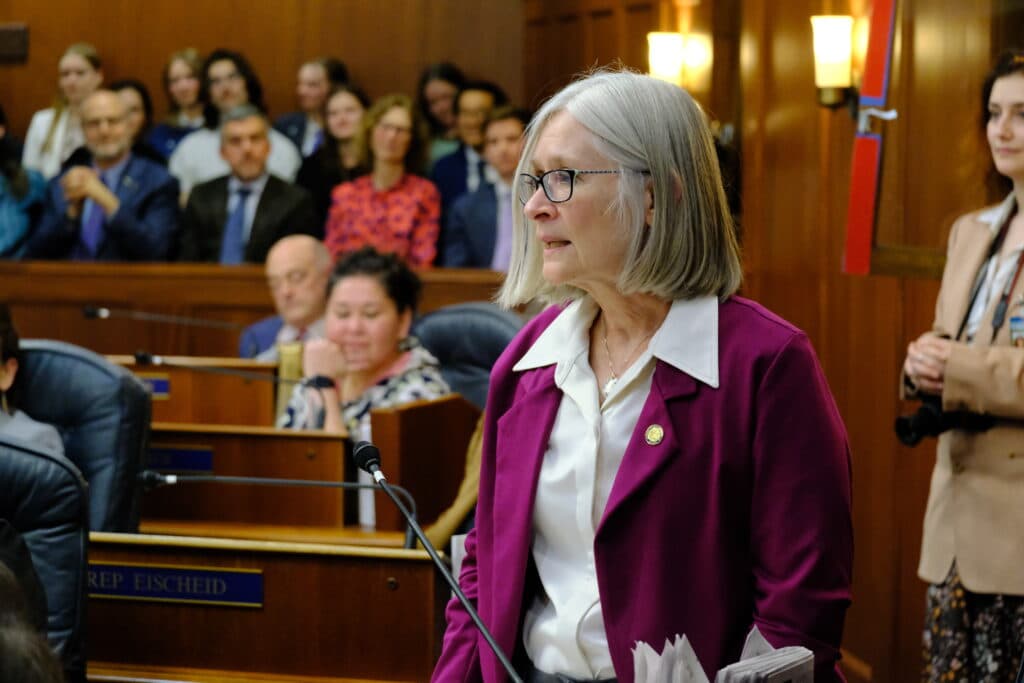
Lawmakers approved $144 million in one-time K-12 funding, adding short-term energy relief that could ease pressure on North Slope Borough schools facing some of the state’s highest operating costs.
The package includes $29 million to help districts offset rising energy expenses next year, a change that matters in rural Alaska where heating and power can absorb a large share of school budgets. For North Slope communities, that relief could help school administrators keep basic operations steadier through another expensive winter, when fuel and utility costs leave less room for supplies, classroom support and maintenance.

The legislation also sets out a longer-term plan for the state to cover most district energy costs beginning in 2028, if future legislatures continue funding the program. That is the part school leaders in hard-to-serve places will watch most closely. In a region where energy costs are structurally high and staffing is hard to retain, even a partial shift in utility burden could make it easier to preserve programs and avoid midyear cuts.
Alongside the energy provisions, lawmakers included a student loan forgiveness program for teachers, a policy aimed at improving recruitment and retention in districts that struggle to keep certified staff. For the North Slope Borough School District, where replacing teachers and support staff can be difficult and expensive, that incentive could help make open positions more competitive in a statewide labor market.
The package also adjusts the state school funding formula for districts in local municipalities. That change could alter how money flows to some school systems, including those serving North Slope communities, though the immediate benefit for any one district was not spelled out in the funding package.
Taken together, the vote signaled that education finance remains a stopgap issue rather than a solved one. The new money gives districts one year of relief, but the larger cost problem is still being pushed into future budgets. For North Slope families, the question now is whether that relief is enough to stabilize classrooms, keep school buildings running, and give rural districts a more predictable footing going into next year.
This article was produced by Prism’s automated news system from verified source data, official records, and press releases, then run through automated quality and moderation checks before publishing. The system is built and supervised by the people who set the standards it runs under. Read our full AI policy.
Did this article answer your question?