Leon County Sting Nets 18 Arrests, Aids Six Trafficking Victims
Sgt. Rachel Buell's three-day Leon County sting made 150 undercover contacts, yielded 18 arrests, and identified six trafficking victims in a model other remote-workforce communities are watching.
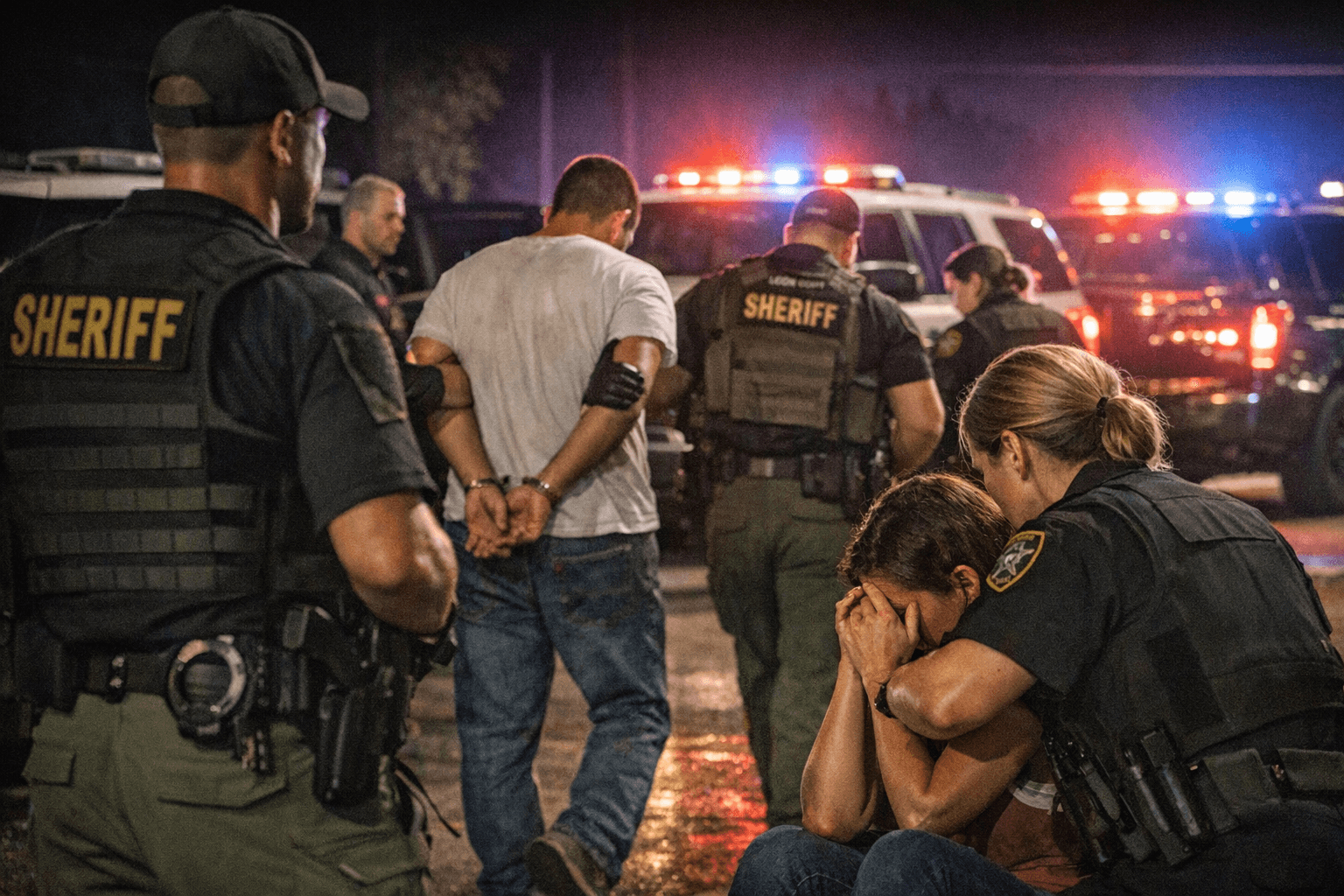
Sergeant Rachel Buell of the Leon County Sheriff's Office's Human Exploitation and Trafficking Unit made 150 undercover contacts in three days, but the figure that drove the operation was six: the number of potential trafficking victims her team identified, extracted from exploitation, and connected to recovery services during Operation Cupid's CleanUp.
Conducted over three days in early February 2026 in and around Tallahassee, Florida, and publicly announced at a press conference on April 1, the operation yielded 18 arrests split across two distinct charging tracks. Three individuals faced human trafficking-related offenses. Sixteen were charged with soliciting prostitution. Additional counts included transportation for the purpose of prostitution and deriving support from the proceeds of prostitution. The investigation targeted a local business in Leon County and drew in the Tallahassee Police Department, the Florida Department of Law Enforcement, and Homeland Security Investigations as partners.
Buell articulated the philosophy that defined the case: "Our goal is not simply arrest. It's identification, intervention, and long-term impact." The six victims identified were connected to the Survive and Thrive Advocacy Center, which arranged safe housing, advocacy, and recovery support.
Sheriff Walt McNeil delivered a starker message aimed at would-be offenders: "If you're involved in these types of crimes, we're going to put your face everywhere in this community so everyone knows who you are, and we want you to know that we are coming for you."
The scale of digital recruitment that Buell's team encountered is not unique to North Florida. The 150 contacts investigators made through undercover online ads and in-person work reflect how openly trafficking networks operate across platforms, regardless of geography. Florida's own hotline data captures the scope: 25,895 signals received by the National Human Trafficking Hotline since its inception, with 8,298 identified trafficking cases and 19,235 victims statewide.
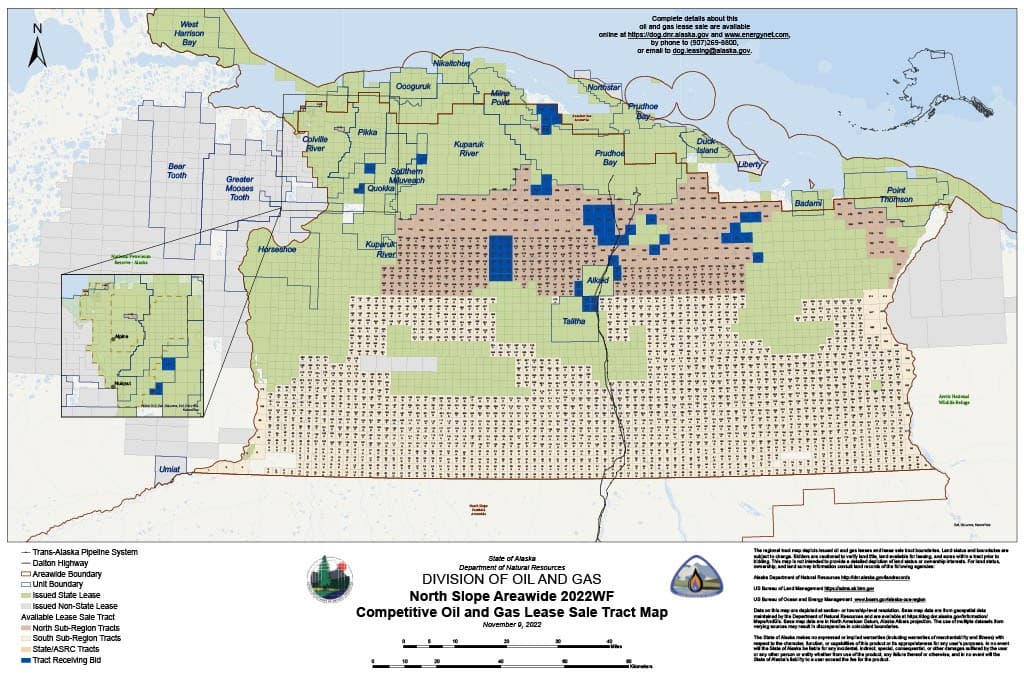
Alaska's numbers are smaller but tell a parallel story. The hotline has received 694 signals from Alaska and identified 181 cases involving 353 victims since it began. Robin Bronen, executive director of the Alaska Institute for Justice in Anchorage, has identified the absence of consistent law enforcement presence across rural Alaska as a core vulnerability that traffickers exploit. On the North Slope, the structural conditions compound that risk: a rotating industrial workforce cycling through Prudhoe Bay, Deadhorse, and remote worksites on two- and three-week hitches creates exactly the kind of transient, high-turnover environment that trafficking networks are known to target.
For employers, lodge managers, and Deadhorse airport personnel, the operational red flags are consistent across trafficking investigations. Workers who cannot speak privately without a third party intervening, individuals who cannot produce or control their own identification documents, and people showing signs of physical exhaustion disproportionate to their reported work schedules all warrant closer attention. Online recruitment offering unusually high pay for vaguely described roles is another pattern law enforcement routinely flags.
To report suspected trafficking anywhere in Alaska, call the National Human Trafficking Hotline at 1-888-373-7888 or text "HELP" to 233733. Reports are accepted anonymously, and the hotline connects callers to local law enforcement and victim services. The Alaska Institute for Justice's Anchorage office can be reached at 907-279-2457 for victim assistance and referrals.
Operation Cupid's CleanUp closed in February. What it demonstrated is that victim-centered operations, built on digital intelligence and multi-agency coordination, can disrupt trafficking networks and reach the people inside them. For communities with rotating workforces and limited local enforcement capacity, that approach is more than a Florida story.
Know something we missed? Have a correction or additional information?
Submit a Tip