North Slope finances tied to Alaska LNG tax compromise
Lawmakers rolled out a tax-cut compromise that could reshape what North Slope communities gain, lose and risk from Alaska LNG.
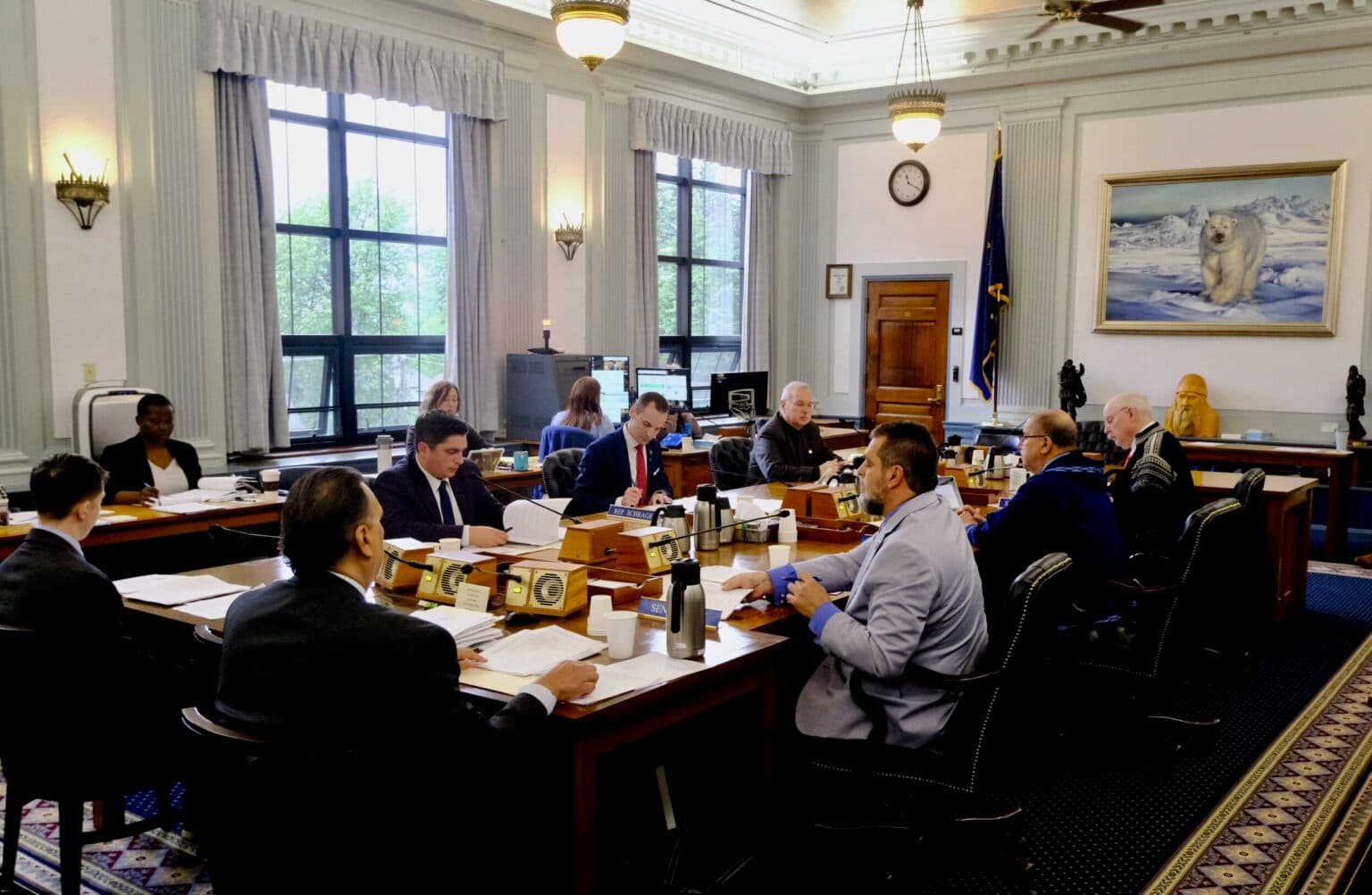
Lawmakers rolled out a draft compromise on the proposed Alaska LNG project on July 2, tying North Slope finances more tightly to the state’s energy negotiations. The bill would move gas from the North Slope to Cook Inlet in two phases, beginning with an 807-mile line from the North Slope into Southcentral Alaska.
The first phase would pair that pipeline with gas treatment facilities on the North Slope and on the Kenai Peninsula. That arrangement matters for borough finances because the North Slope is not only where the gas comes from, but also where treatment, taxation and the first round of local impacts would land. If the project advances, the borough’s future revenue picture would depend on how the state sets taxes, how costs are phased in, and how much of the project’s value stays in local hands.

The compromise followed weeks of bargaining over how much tax relief Alaska should give the project and how local governments would be protected. The draft included gradual tax increases over time as gas flows and pushed the construction deadline from 2032 to December 31, 2034. It also addressed local-contribution concerns and school-district payments, two issues that carry direct weight for borough governments that would have to absorb project-related strains while waiting for revenue to materialize.
For North Slope communities, the question is not whether Alaska LNG is a distant idea. It is what the borough would actually gain if the state sweetened the deal now, and what it would give up in return. A tax cut could improve the project’s economics and help move long-delayed gas to market, but it could also reduce the borough’s leverage, weaken future local returns and leave schools and municipal services more exposed if the terms do not protect them.
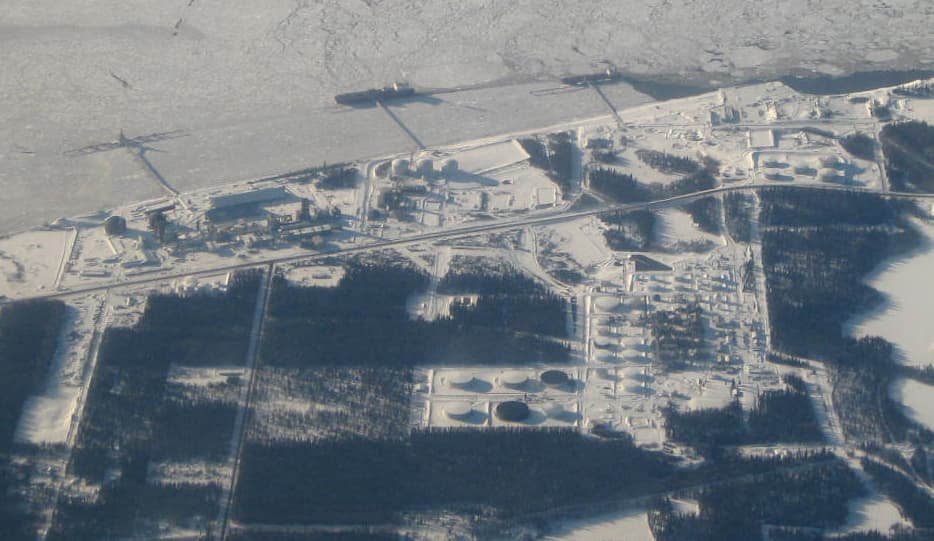
Supporters see a route to monetize North Slope gas and improve the odds of a project that has lingered for years. Skeptics see a bargain that could shift risk downward while public entities wait longer for payoff. The draft left lawmakers still trying to balance those competing pressures, and the outcome will help decide who pays, who benefits and how much control North Slope governments keep if Alaska LNG moves ahead.
This article was produced by Prism’s automated news system from verified source data, official records, and press releases, then run through automated quality and moderation checks before publishing. The system is built and supervised by the people who set the standards it runs under. Read our full AI policy.
Did this article answer your question?