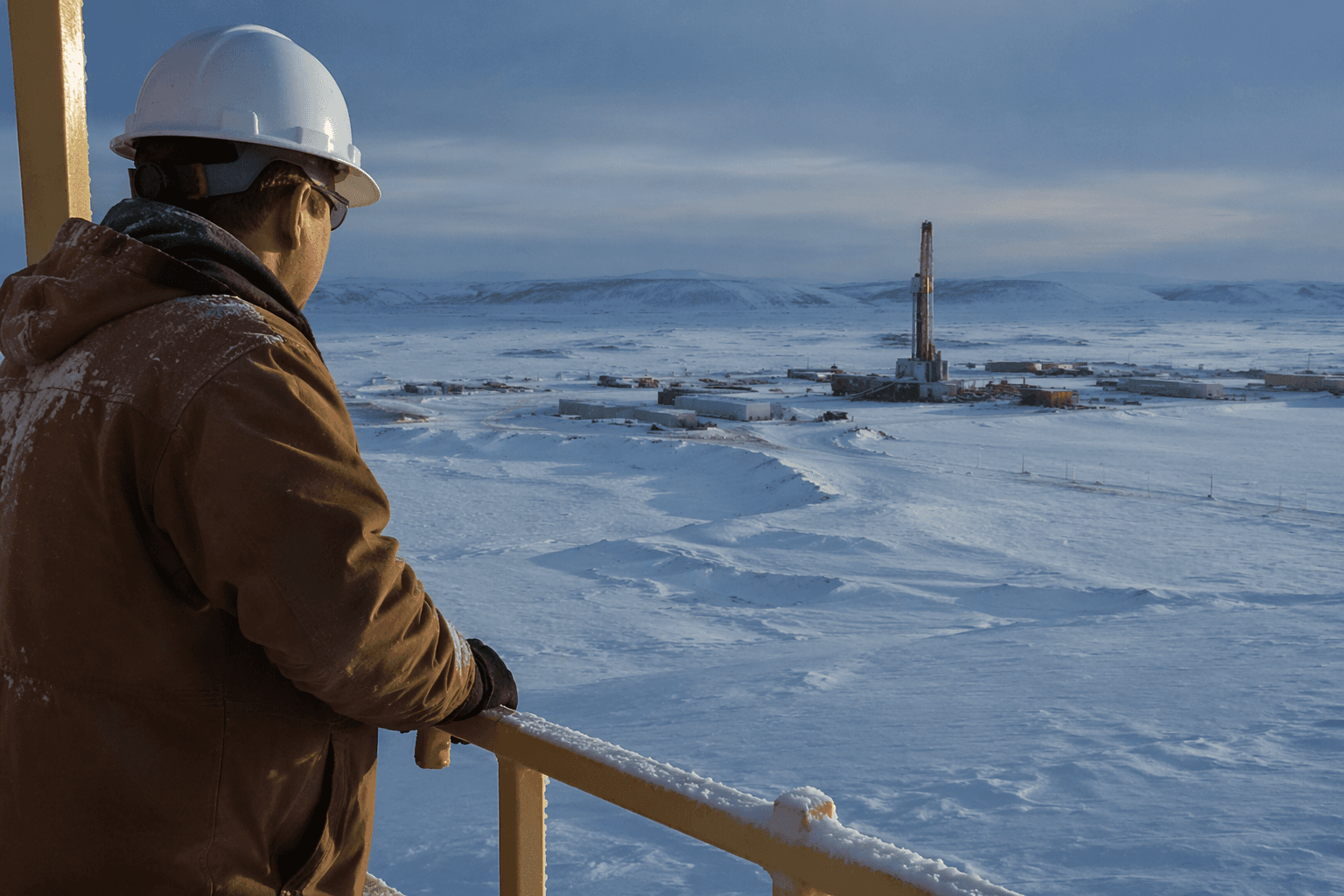
North Slope sees new investment cycle as oil industry rebounds
Two North Slope projects, Nuna and Pikka, are turning an oil-decline story into a test of jobs, borough revenue, and pipeline longevity.
A rebound measured against a long decline
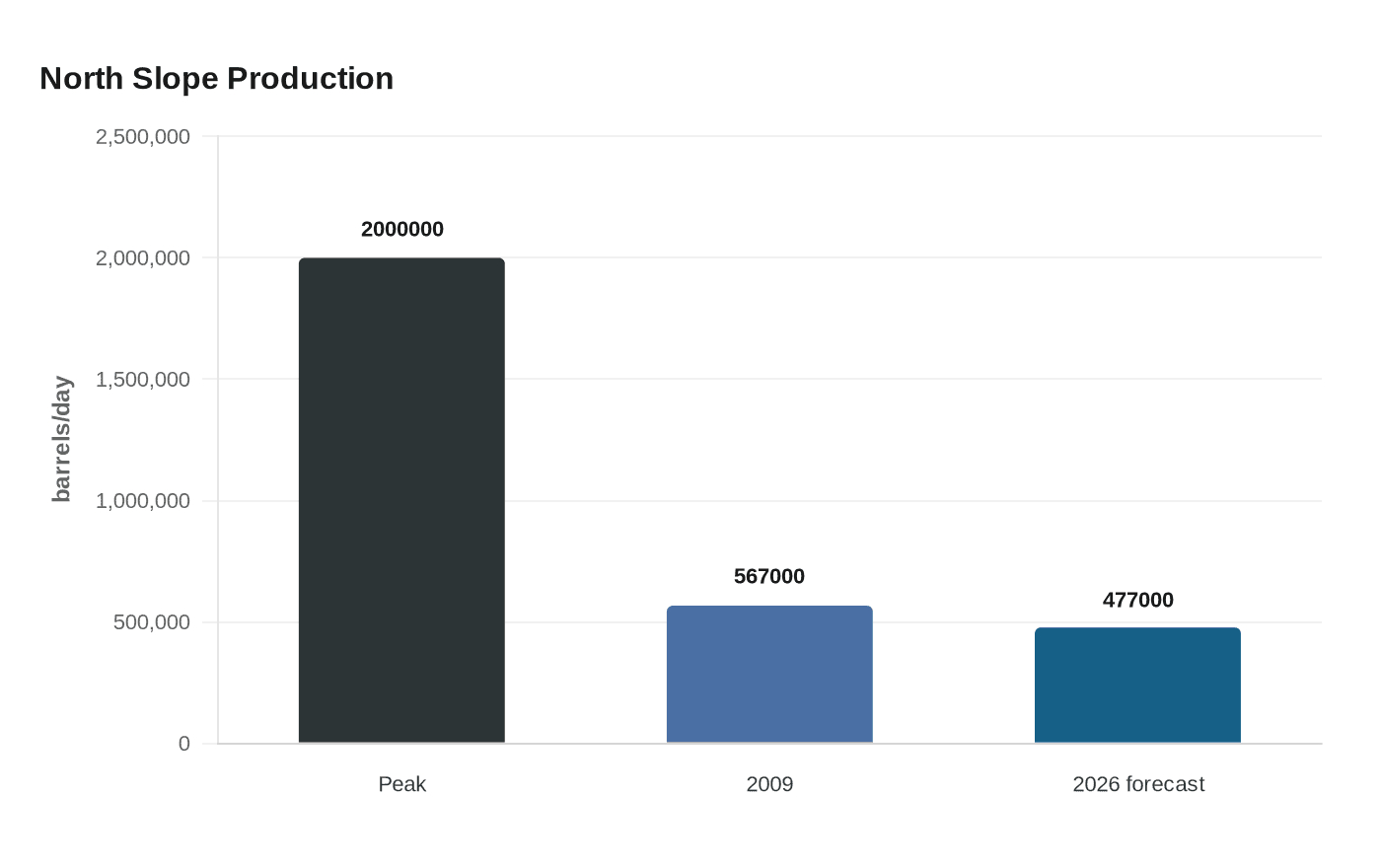
John Kurz left the North Slope in 2009, when production had fallen to 567,000 barrels a day and the future of the Trans-Alaska Pipeline System looked uncertain. That was a steep drop from the roughly 2 million barrels a day pumped at the field’s peak two decades earlier, and it frames why the current investment cycle feels so different.
The U.S. Energy Information Administration now expects Alaska crude production to rise 13% in 2026 to 477,000 barrels per day, the biggest annual increase since the 1980s. That growth is being driven largely by North Slope projects, especially ConocoPhillips Alaska’s Nuna and Santos and Repsol’s Pikka Phase 1. The headline is not that the North Slope has returned to its old peak. It is that capital is flowing back in at a pace strong enough to reverse years of decline and give the pipeline, and the region around it, a new economic storyline.
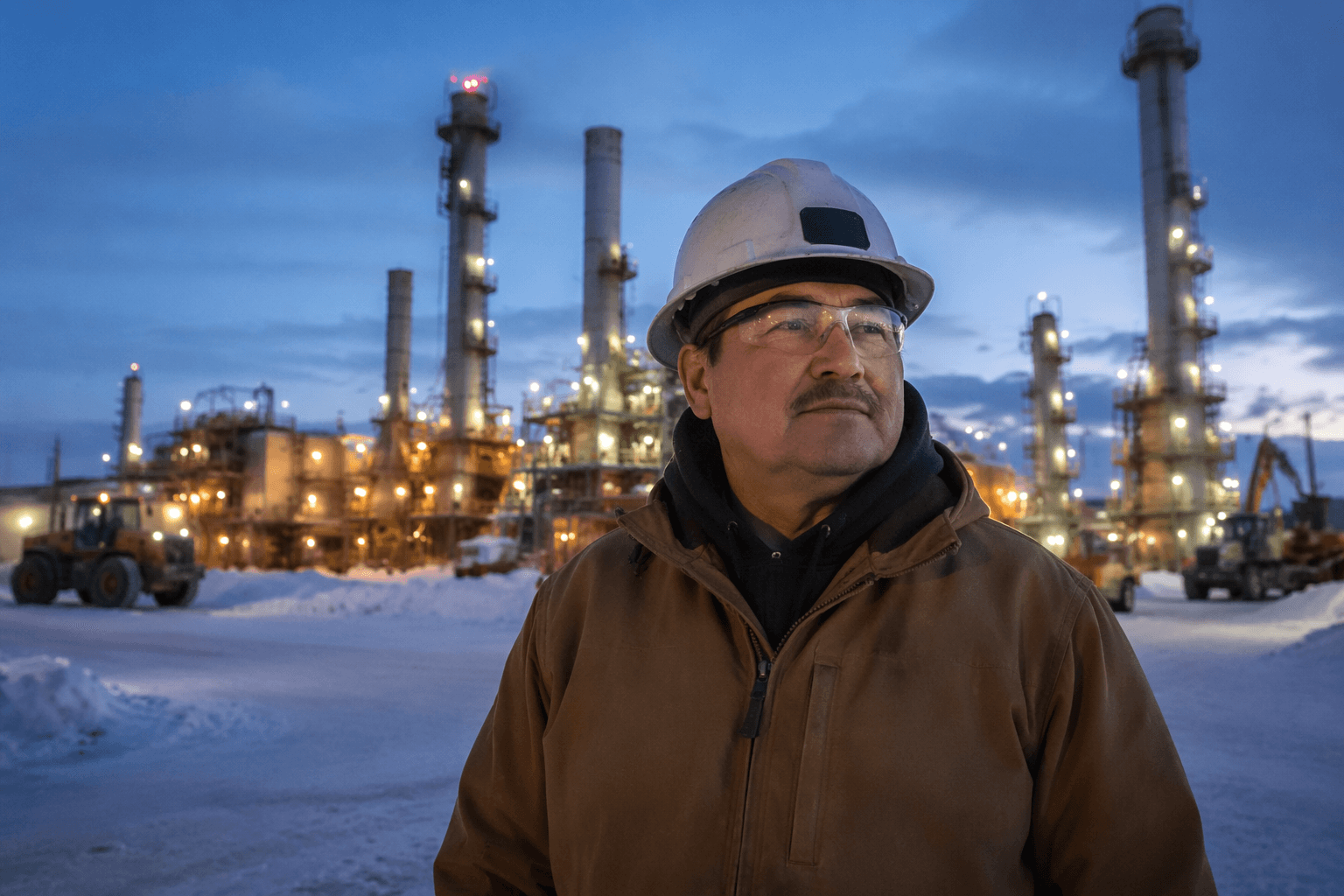
For North Slope communities, that shift matters because oil activity is not just about barrels. It runs through roads, pads, pilots, contractors, hotels, support services, and the nearby communities that depend on steady industrial activity. When investment rises, the upside can show up in construction work, maintenance contracts, air traffic, and long-term service demand. The strain can rise too, especially on housing, emergency response, environmental oversight, and subsistence resources.
Where the money is showing up
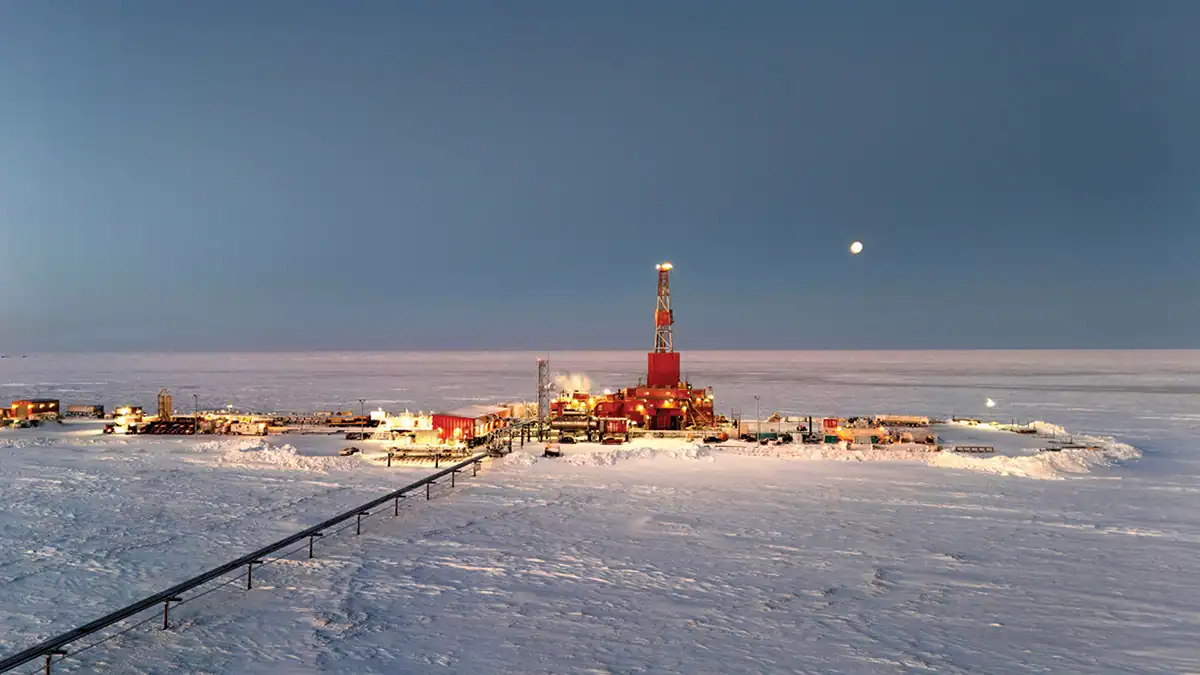
ConocoPhillips Alaska said Nuna achieved first oil on December 17, 2024, under budget and ahead of schedule. The project is the 49th drillsite in the Kuparuk River Unit and the first drillsite developed in the Greater Kuparuk Area in nearly a decade, which makes it an important sign that new work is still being added inside an established oil system, not only on the margins.
Santos said Pikka Phase 1 achieved first oil on May 18, 2026 and is expected to ramp toward 80,000 barrels a day gross at peak. Santos holds 51% of the project and Repsol holds 49%, and Santos said the gross cost is US$2.6 billion, with its share at US$1.3 billion. The company also said its final investment decision on August 17, 2022 had support from key stakeholders, including the state and landowners.
Those milestones matter because they show the cycle is no longer theoretical. Real money has moved into the ground, and that usually means more demand for local logistics, labor, and services. The key local question is whether that activity translates into visible North Slope benefits, including hiring, contracting, and training opportunities for residents, or whether most of the value is still being signaled outward to investors who want proof that Arctic oil can still pay.
Why borough finances are part of the story
North Slope Borough’s FY 2025-2026 budget lists estimated funding resources of $547,764,021. That figure is a reminder that public services in the borough remain closely tied to oil activity, from schools and public safety to housing and the high cost of operating in remote communities.
A stronger production outlook does not automatically solve local fiscal pressures, but it can improve planning room if revenue stays steady and projects hold schedule. A weaker cycle, by contrast, can make the borough’s dependence on energy output more visible and more difficult to manage. That is why the current rebound is not just an industry story. It is a budget story, a service-delivery story, and a question of whether the local economy is becoming more stable or simply getting another temporary lift.
Federal leasing, Arctic acreage, and the next signal
The Bureau of Land Management says it manages more than 22 million acres of surface estate and about 650,000 acres of subsurface mineral rights in the National Petroleum Reserve in Alaska. It says the NPR-A leasing program is intended to be expeditious while still safeguarding key surface resources, which helps explain why the reserve remains one of the most politically and environmentally sensitive pieces of the North Slope.
A March 18, 2026 NPR-A lease sale drew $242,112,787.44 in total bids, a sign that industry interest in federal North Slope acreage remains strong. For local residents, lease sales matter because they shape where future drilling pressure may land, how much industrial traffic reaches the region, and how much scrutiny will fall on surface resources and subsistence areas.
How to tell whether this is a real shift or another boom cycle
The best comparison is not with a single project or a single quarter, but with the broader boom-and-decline pattern that has defined North Slope oil for decades. In the past, the region has seen surges that eventually faded. This time, the durability test will be whether new investment creates lasting local value, not just short-term excitement.
- Whether more work is done by North Slope residents and local firms, not only outside contractors.
What to watch next:
- Whether contract spending shows up in roads, pads, maintenance, and support services that remain after construction crews leave.
- Whether training pipelines open more doors for local workers and students.
- Whether borough revenues remain stable enough to support schools, public safety, and housing.
- Whether industrial growth can coexist with subsistence needs, environmental oversight, and the day-to-day realities of living near major development.
The current rebound is real enough to move budgets, attract bids, and put new production on the map. Whether it becomes a durable North Slope economic shift will be judged less by optimism in outside markets than by what residents can see in jobs, contracts, public services, and the health of the communities that live with the industry every day.
This article was produced by Prism’s automated news system from verified source data, official records, and press releases, then run through automated quality and moderation checks before publishing. The system is built and supervised by the people who set the standards it runs under. Read our full AI policy.
Know something we missed? Have a correction or additional information?
Submit a Tip