Public comment opens on Kuparuk Pipeline capacity increase proposal
A proposed Kuparuk Pipeline expansion would raise metering at Pump Station 1 from 360,000 to 634,000 barrels a day, a change that could reshape North Slope oil traffic.
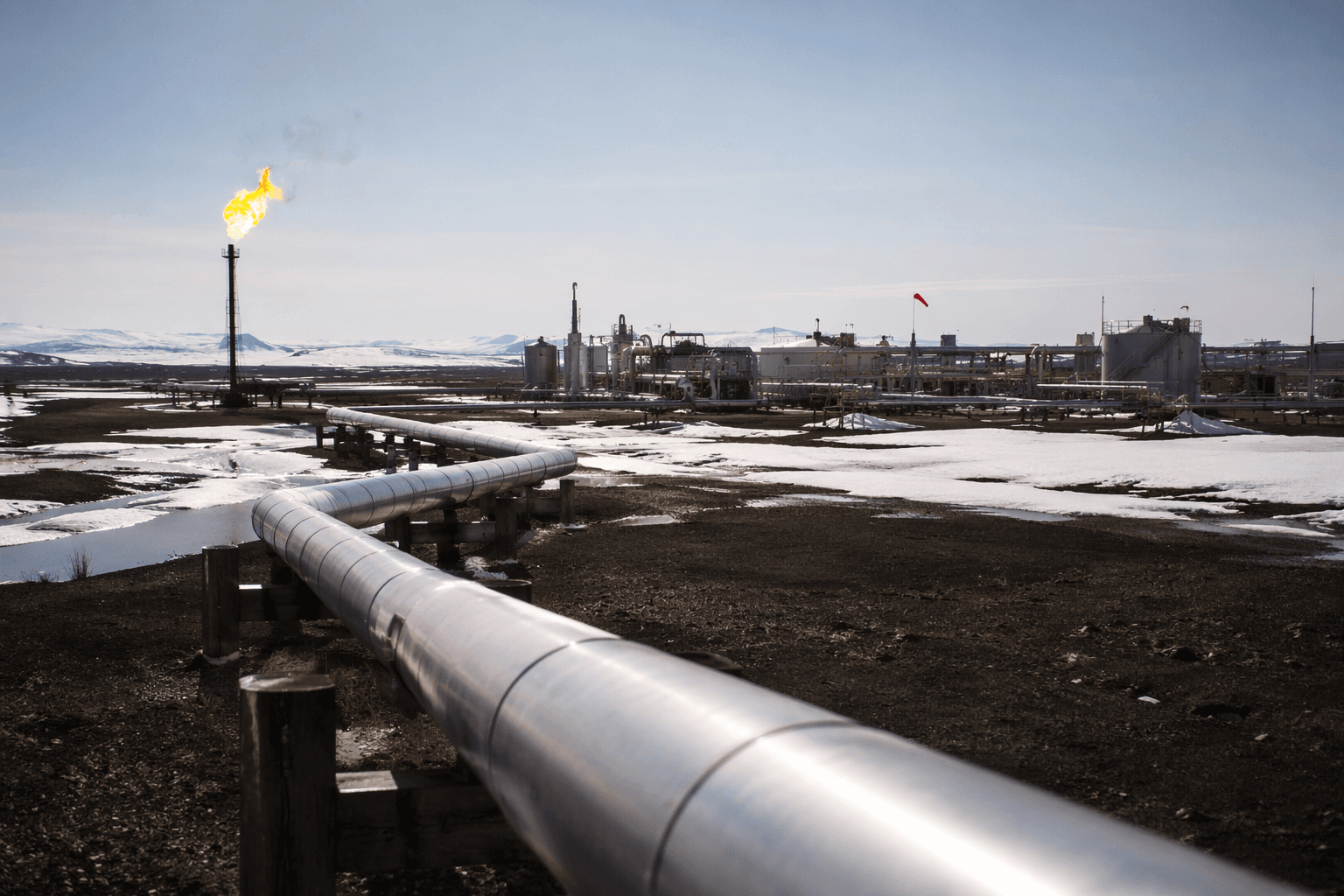
A June 26 public notice opened the comment window on a Kuparuk Pipeline expansion that would boost metering capacity at Pump Station 1 from 360,000 barrels a day to 634,000. The proposal, filed June 1 with the Regulatory Commission of Alaska, would modify existing facilities and add a new meter module tied to the Trans Alaska Pipeline System connection.
For North Slope residents, the number that matters is not just the 76 percent increase. It is what that extra room at the bottleneck could mean for how much crude can actually move out of the region, how much work follows new field development, and how much scrutiny falls on the infrastructure that carries it. The line between a promising project and delivered revenue runs through facilities like Pump Station 1, where metering capacity determines how much oil can be handled as production grows.
That makes the comment period one of the few chances the public has to weigh in before regulators move ahead. Borough leaders, tribal governments, and individual residents can use the window to press on the parts of the project that directly affect daily life on the Slope: whether the expansion supports more local work and longer-term investment, how it changes industrial activity around the corridor, and whether the project adds enough safeguards as more crude is pushed toward TAPS.
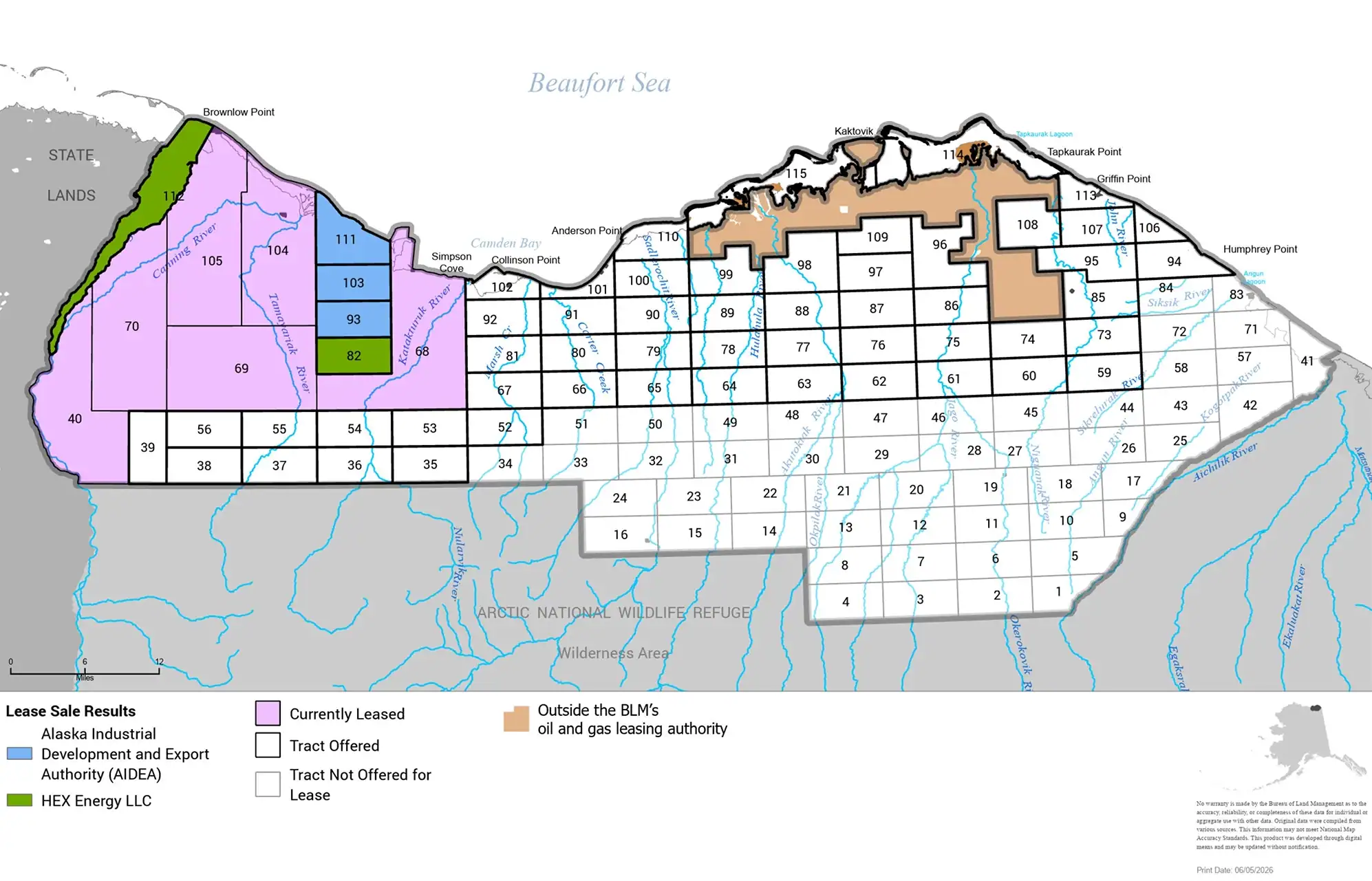
The proposal also lands inside a larger North Slope production picture, where more output from newer fields depends on midstream infrastructure keeping pace. If the system can handle the added volume, the region can move crude more efficiently and avoid bottlenecks that slow the benefits of new production. If it cannot, the limits of the pipeline network can delay the economic payoff from drilling, construction, and related jobs that ripple through communities from Utqiaġvik to Wainwright and Atqasuk.
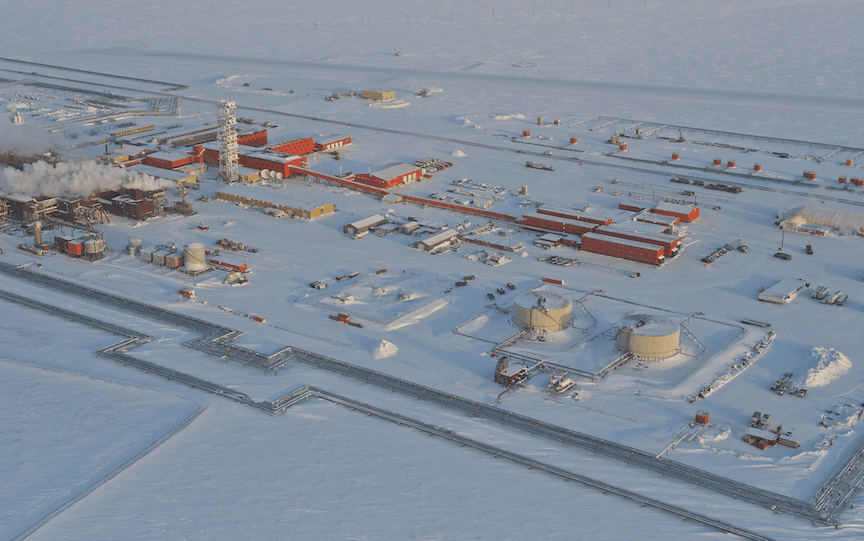
The pending decision is not only about steel, pumps, and meters. It is about how much future oil traffic the North Slope can carry, how that traffic is monitored, and whether the borough’s infrastructure is ready for the next stage of production.
This article was produced by Prism’s automated news system from verified source data, official records, and press releases, then run through automated quality and moderation checks before publishing. The system is built and supervised by the people who set the standards it runs under. Read our full AI policy.
Did this article answer your question?