State opens comment period on Pump Station 3 air permit renewal
Pump Station 3's draft permit would lock in 1,066 tons of carbon monoxide a year, and North Slope residents have until June 5 to weigh in.
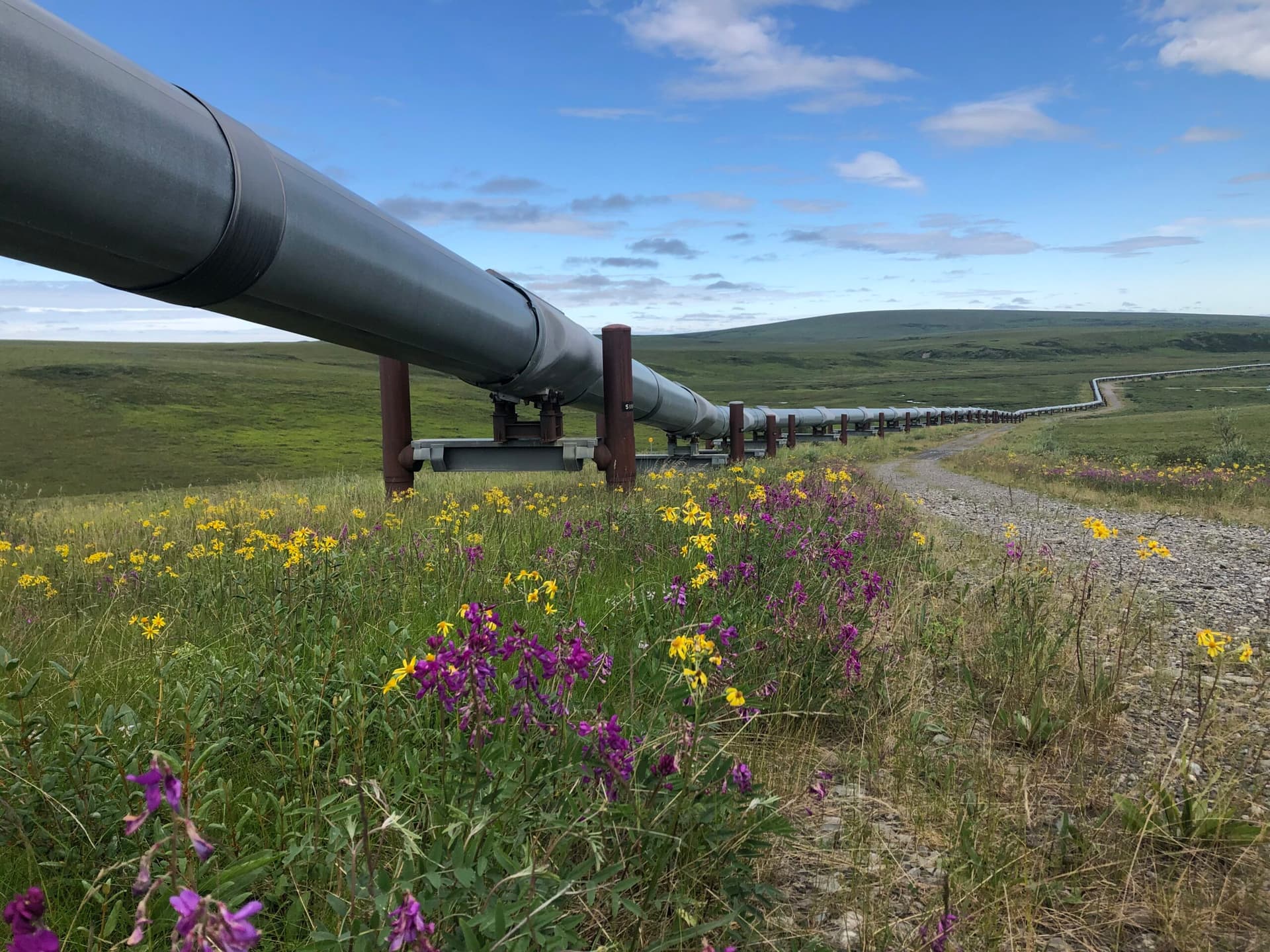
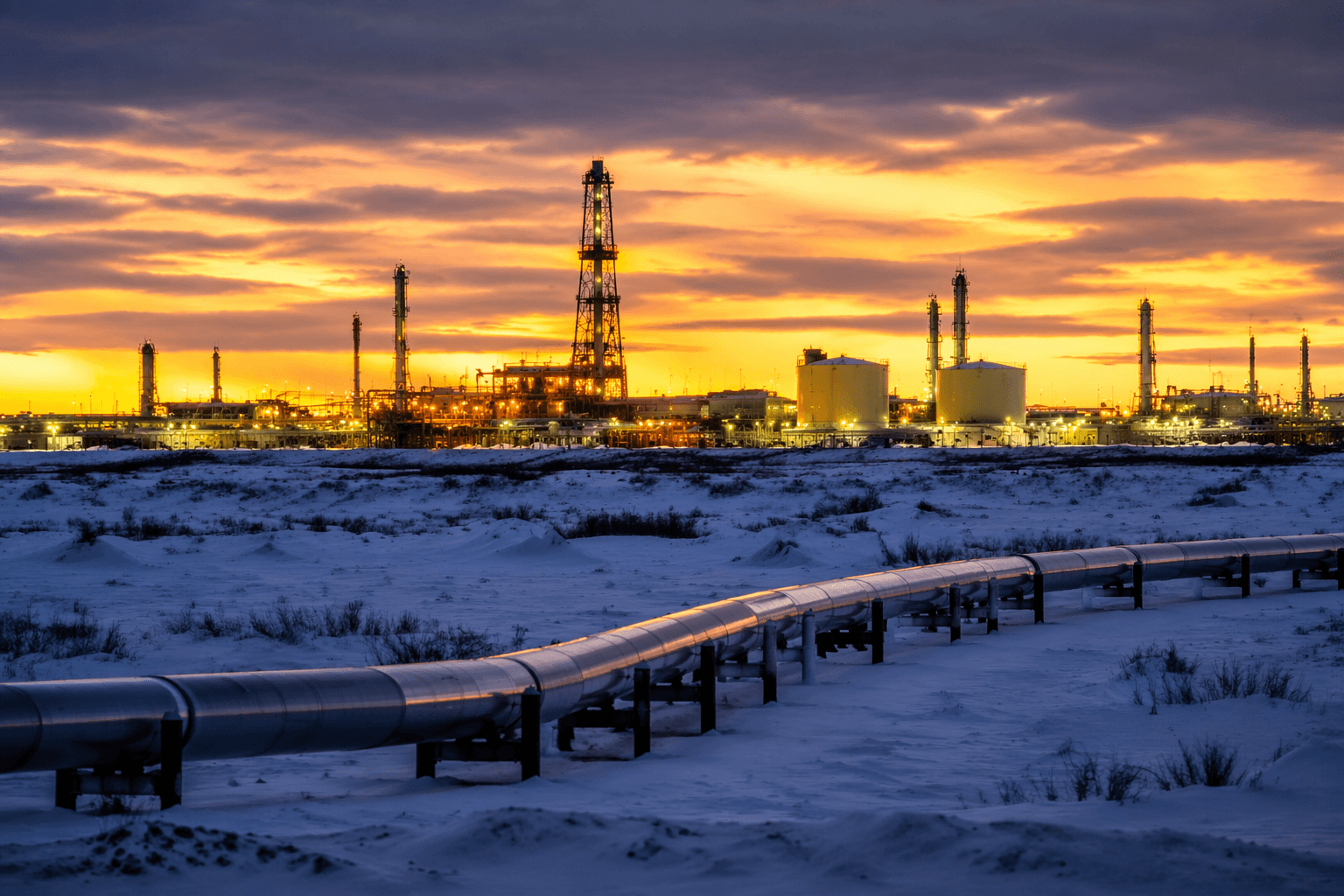
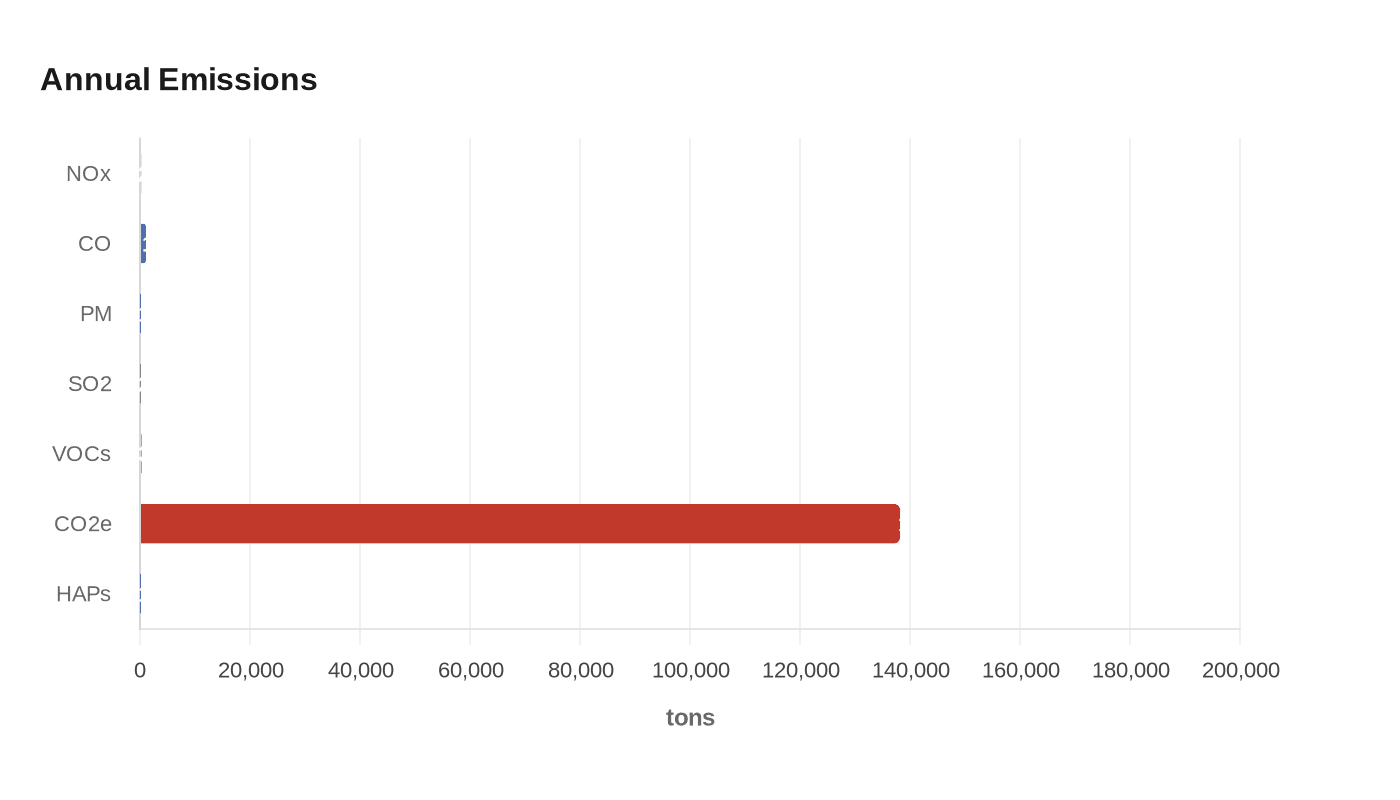
Pump Station 3’s draft air permit puts hard numbers on one of the North Slope’s most closely watched industrial sites. The renewal would allow Alyeska Pipeline Service Company’s crude oil pumping station, at 68 degrees 50 minutes 36 seconds north and 148 degrees 49 minutes 40 seconds west, to keep operating with annual potential emissions of 202 tons of nitrogen oxides, 1,066 tons of carbon monoxide, 12 tons of particulate matter, 21 tons of sulfur dioxide, 358 tons of volatile organic compounds, 138,202 tons of carbon-dioxide equivalent and 14 tons of hazardous air pollutants.
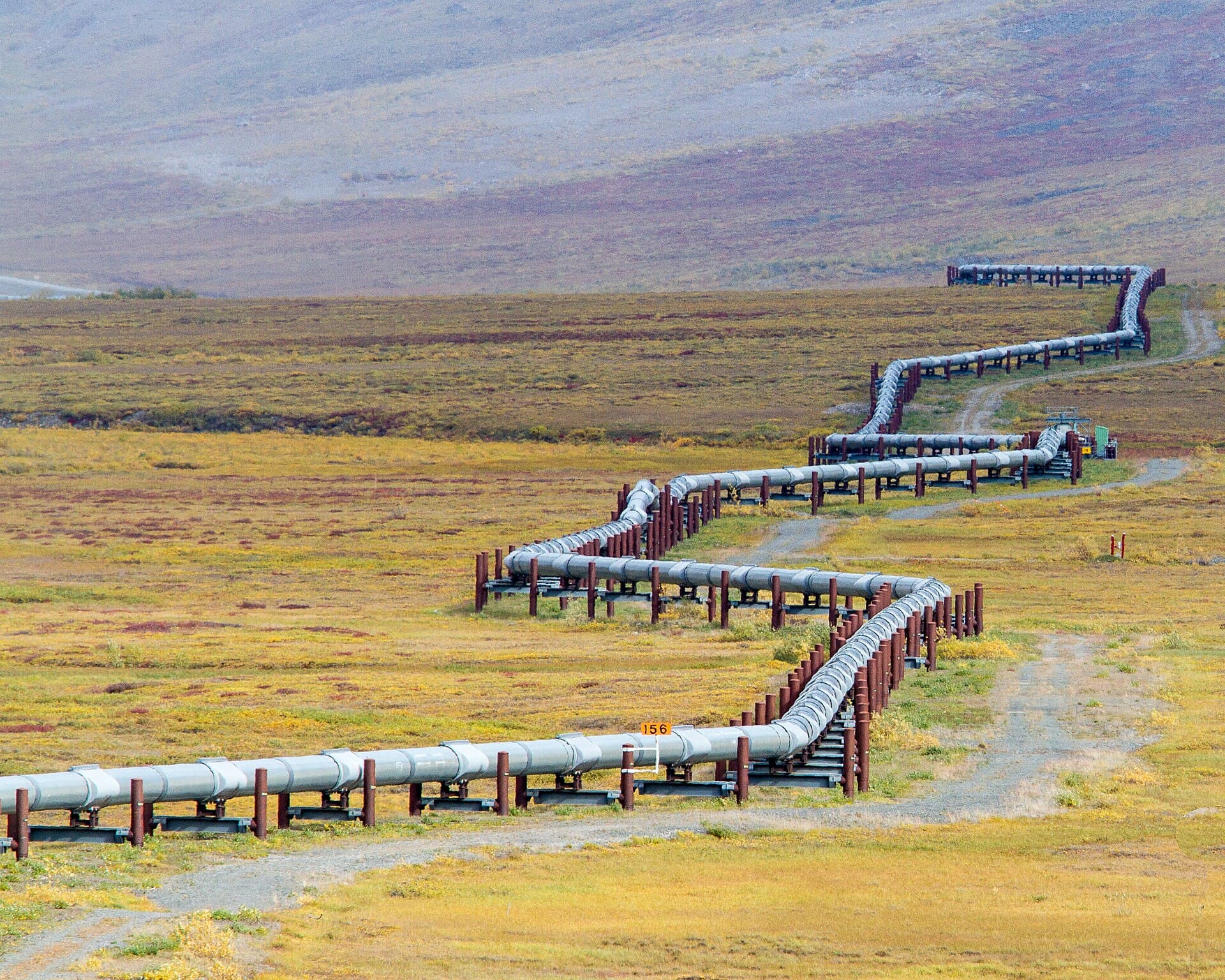
The state opened the public comment period on the draft permit May 6, and comments are due by 11:59 p.m. June 5. The current permit, AQ0074TVP04, expired April 28, and the new draft, AQ0074TVP05, would renew air-quality approval for the station rather than authorize a new facility. Pump Station 3 is part of the Trans-Alaska Pipeline System, and ADEC’s review says the station is a crude oil pumping facility that uses natural gas primarily and diesel fuel as emergency backup in most equipment.
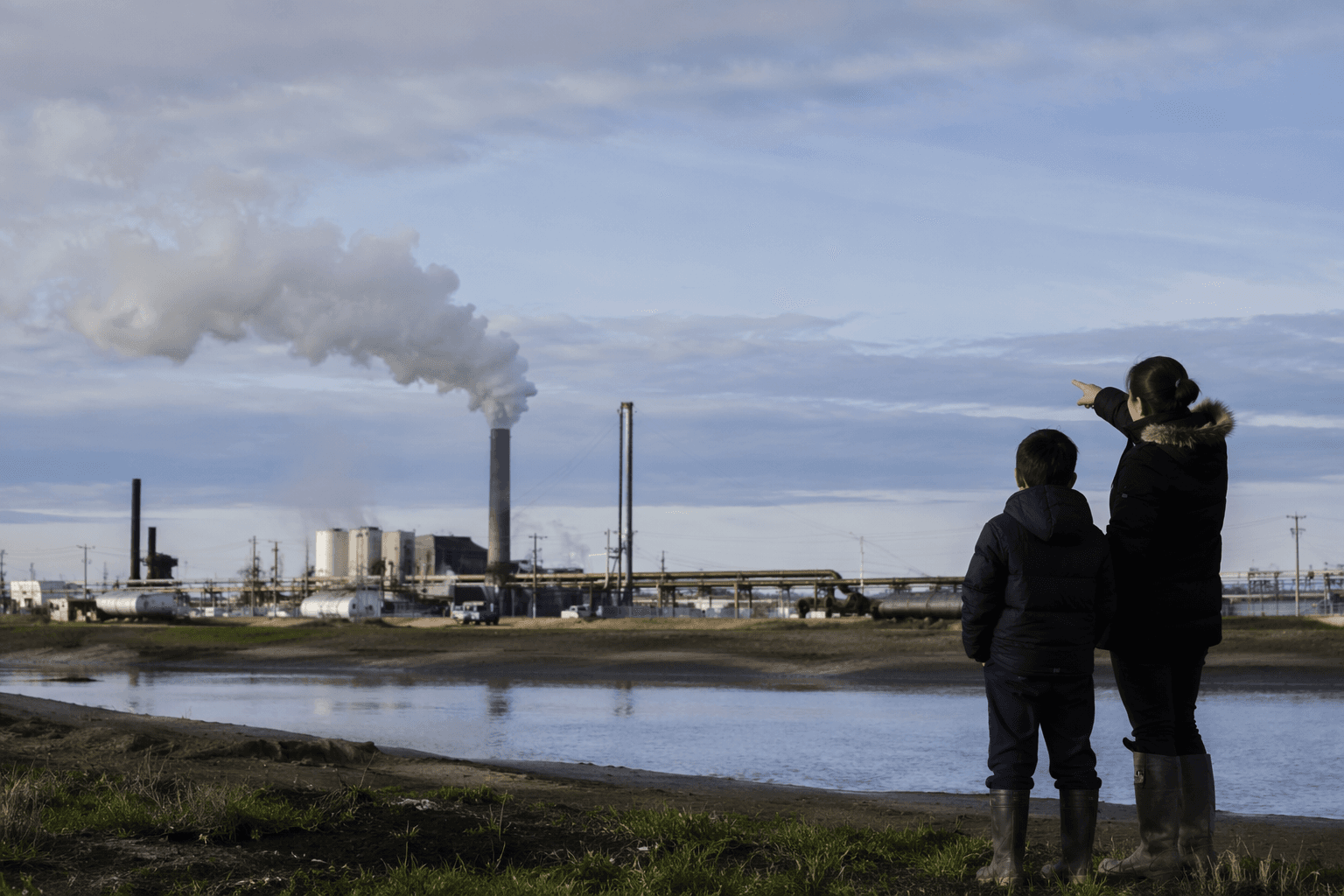
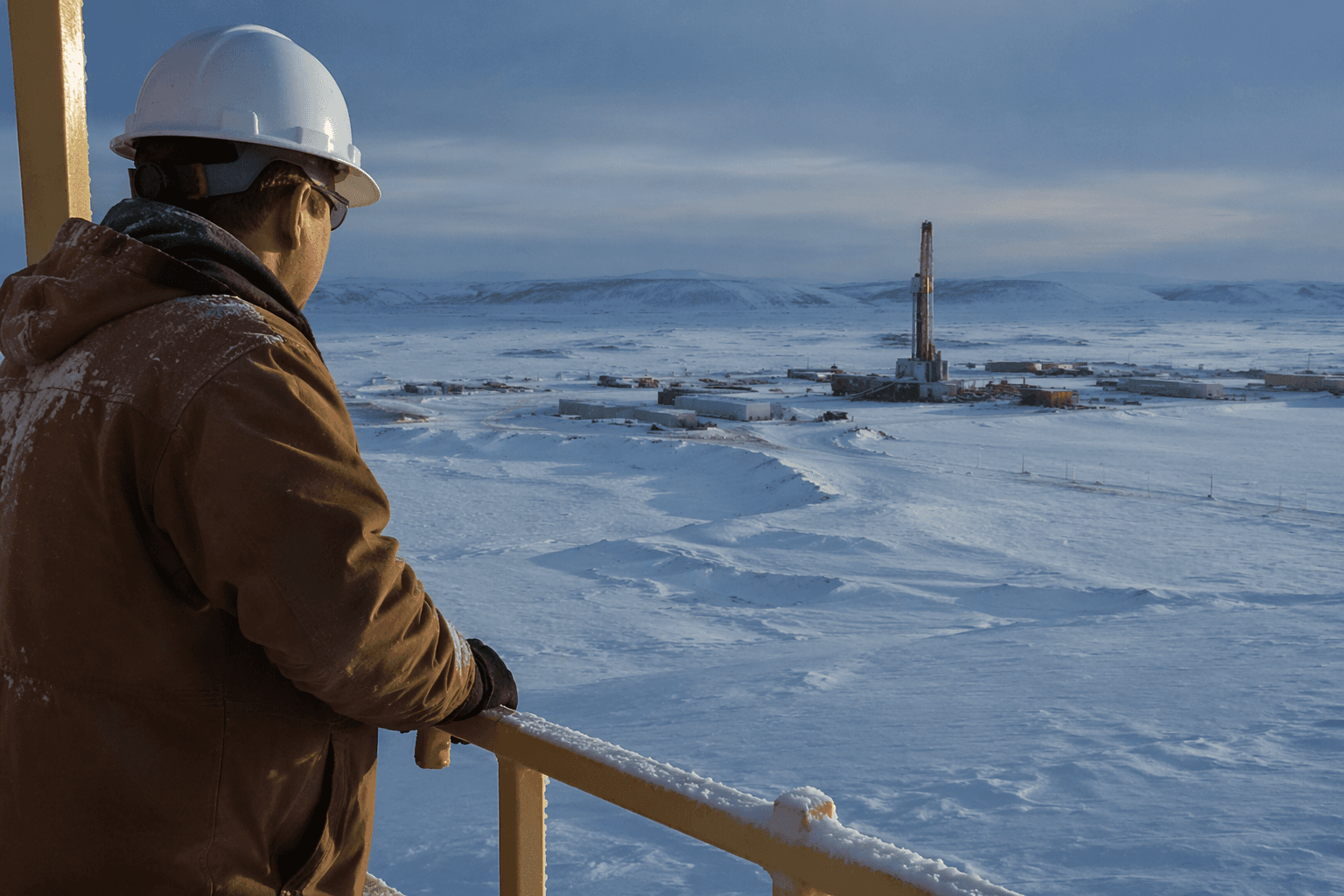
For North Slope communities, the practical question is not whether the station exists, but whether the permit is tight enough to track and limit the emissions that come with keeping it running. State records note no changes in emission units since the application was filed, which suggests this is a renewal focused on continued operation and compliance rather than a major redesign. Even so, the permit still matters because it governs monitoring, reporting and operating conditions for a site sitting in the middle of an industrial corridor that neighbors subsistence country and sensitive Arctic habitat.
Residents, tribal organizations and borough leaders who want to weigh in should focus on a few concrete issues: whether the monitoring requirements are strong enough to catch problems early, whether the diesel backup equipment is being limited and tracked carefully, and whether the reported emission totals reflect current operations at the station. The draft also gives the public a chance to push for clearer reporting on compliance, especially at a facility that carries regional economic weight and local environmental risk at the same time.
How to comment: Submit written comments through DEC’s electronic comment system by June 5. The public notice page lists Scott Faber as the contact, and DEC says comments become part of the public record. Copies of the application, draft permit and statement of basis are available from the Air Permits Program in Juneau at 410 Willoughby Avenue, Suite 303, and in Anchorage at 555 Cordova Street.
This article was produced by Prism’s automated news system from verified source data, official records, and press releases, then run through automated quality and moderation checks before publishing. The system is built and supervised by the people who set the standards it runs under. Read our full AI policy.
Know something we missed? Have a correction or additional information?
Submit a Tip