Why planning matters across North Slope Borough's vast Arctic landscape
In North Slope Borough, planning decides where homes, roads, and development can go, and what land stays tied to subsistence and culture.

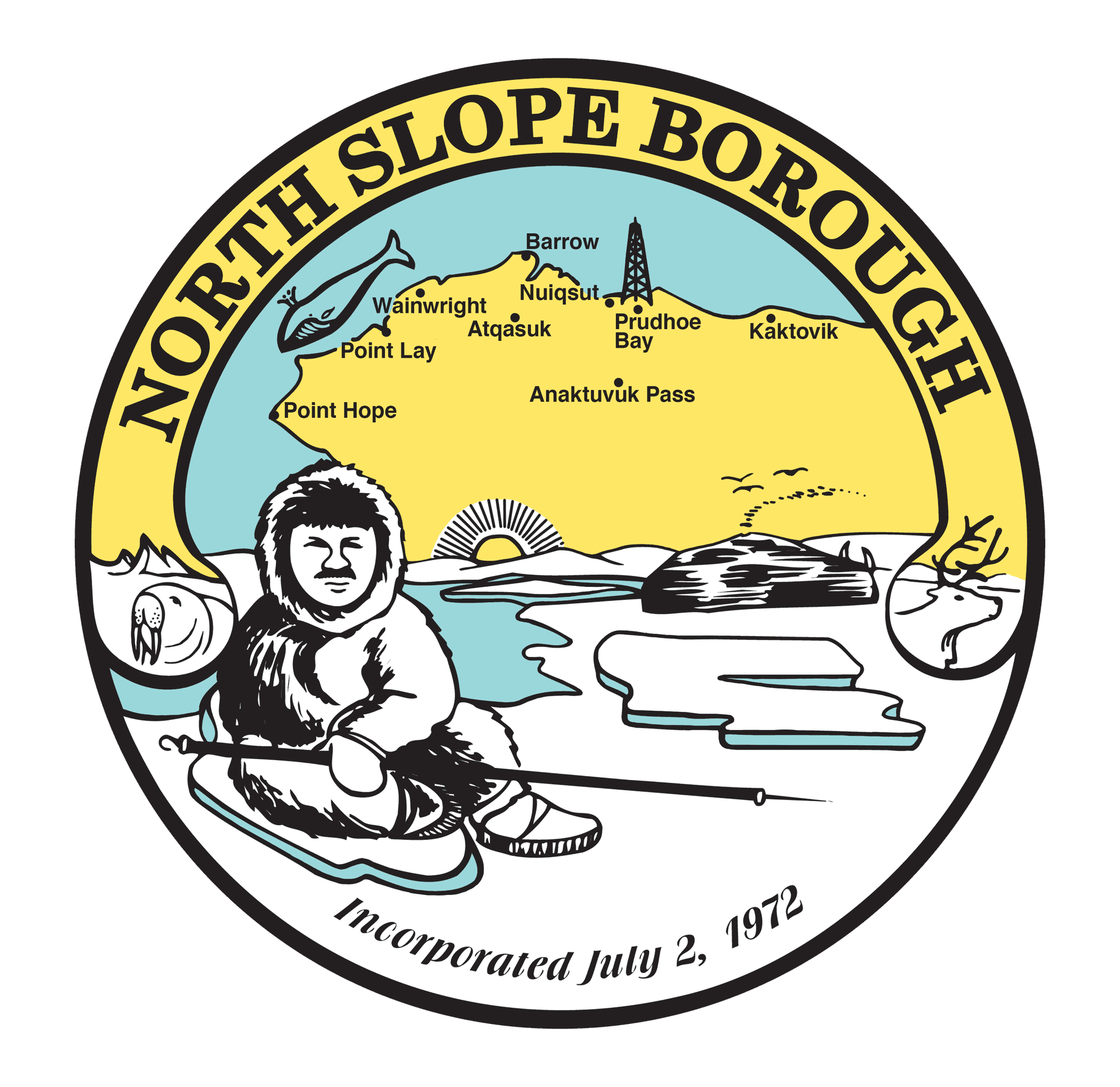
The North Slope Borough stretches from Point Hope on the Chukchi Sea to the Canadian border and south from Point Barrow. Across that Arctic landscape, the question is never only where a project can be built. It is also where caribou move, where families harvest, where cultural sites need protection, and where roads, water lines, and housing can fit without crowding out the land that sustains communities.
Why planning is a daily-life issue here
The Planning & Community Services Department exists to protect land and cultural resources, manage Borough-owned Municipal Land Entitlements, regulate and monitor development, and plan for future growth. North Slope decisions are made alongside subsistence travel routes, wildlife habitat, village expansion, and the practical limits of serving settlements spread across about 94,000 square miles north of the Arctic Circle.
The borough’s own maps make that tension visible. Alongside borough boundaries and land status, the map layers track zoning districts, traditional land use, subsistence, bird habitat, bird nests, marine mammal areas, caribou calving areas, caribou summer and winter ranges, and oil and gas development. For residents in Anaktuvuk Pass, Atqasuk, Utqiagvik, Kaktovik, Nuiqsut, Point Hope, Point Lay, and Wainwright, those layers help show why one site may be suitable for a building pad while another remains essential for hunting, travel, or cultural practice.
The commissions and code titles that shape land use
Planning in the borough runs through the Borough Planning Commission, the Utqiagvik Zoning Commission, and Municipal Code Titles 18 and 19. The Borough Planning Commission oversees the administration and interpretation of Municipal Code Titles 18 and 19. Inside Utqiagvik city limits, the Utqiagvik Zoning Commission handles those same titles and makes recommendations for Utqiagvik’s Comprehensive Plan.
The Land Management Regulation division carries much of the day-to-day work. It manages subdivision activities under Title 18, helps with recordation of land titles, and implements Title 19, the land use and zoning ordinance. It also works with other borough departments, industry representatives, state and federal agencies, and village and city governments.
How the borough turns planning into a map
The borough’s public maps and applications show where development is possible and where it must be reviewed against wildlife, subsistence, and cultural concerns. A project near a caribou calving area or a marine mammal corridor is not the same as one in a settled district with existing infrastructure.
The permitting side is just as specific. The Land Management Regulation applications page includes rezoning and master plan applications, subdivision applications, study permits, cultural resource clearance, TLUI resource requests, and a village-district residential permit process for Utqiagvik. Lilly Kilapsuk is listed as the contact for questions.
Comprehensive plans as a statement of local self-determination
The borough’s comprehensive plans support the preservation of Inupiat values and traditions, guide land use, and help manage the borough’s future in the face of new development and declining revenues. They also help identify priorities for borough and village actions, which gives the plans a direct role in local governance.
That history reaches back to 1983, when the first North Slope Borough Comprehensive Plan was adopted. The borough calls that plan a milestone in local self-determination because it gave the young regional government greater control over wildlife and subsistence activities tied to cultural and nutritional sustenance. The plan was last updated in 2005, and the 2019 to 2039 background materials show how the pressures around it have changed. Roads, electricity, water and sewer connections, and telecommunications have expanded the borough’s infrastructure footprint, while population growth has increased the need for housing, services, and public infrastructure.
The U.S. Census Bureau lists North Slope Borough’s land area at 88,792.8 square miles. The borough had 11,031 residents in the 2020 Census and an estimated 10,582 in 2025.
Planning, wildlife, and subsistence belong in the same conversation
The borough links planning, wildlife, and subsistence. Its Wildlife Management Department supports traditional ways of life through scientific research, Indigenous knowledge, and community leadership. The Subsistence Harvest Documentation project is intended to develop information about the region’s subsistence harvest and share it with state and federal wildlife agencies and private industry.
Planning decisions can affect travel routes, harvest areas, and the movement of animals that remain central to local diets and cultural practice. When a zoning review, subdivision, or permit touches land used for hunting or gathering, the issue is not just development density. It is whether the built environment can stay aligned with the seasonal and cultural rhythm of the North Slope.
This article was produced by Prism’s automated news system from verified source data, official records, and press releases, then run through automated quality and moderation checks before publishing. The system is built and supervised by the people who set the standards it runs under. Read our full AI policy.
Did this article answer your question?