Beatty board backs U.S. 95 passing lanes to curb crash risks
Beatty’s advisory board voted March 23 to send letters urging northbound and southbound passing lanes on U.S. 95, citing repeated near-misses and a Feb. 26 fatal crash at mile marker 73.
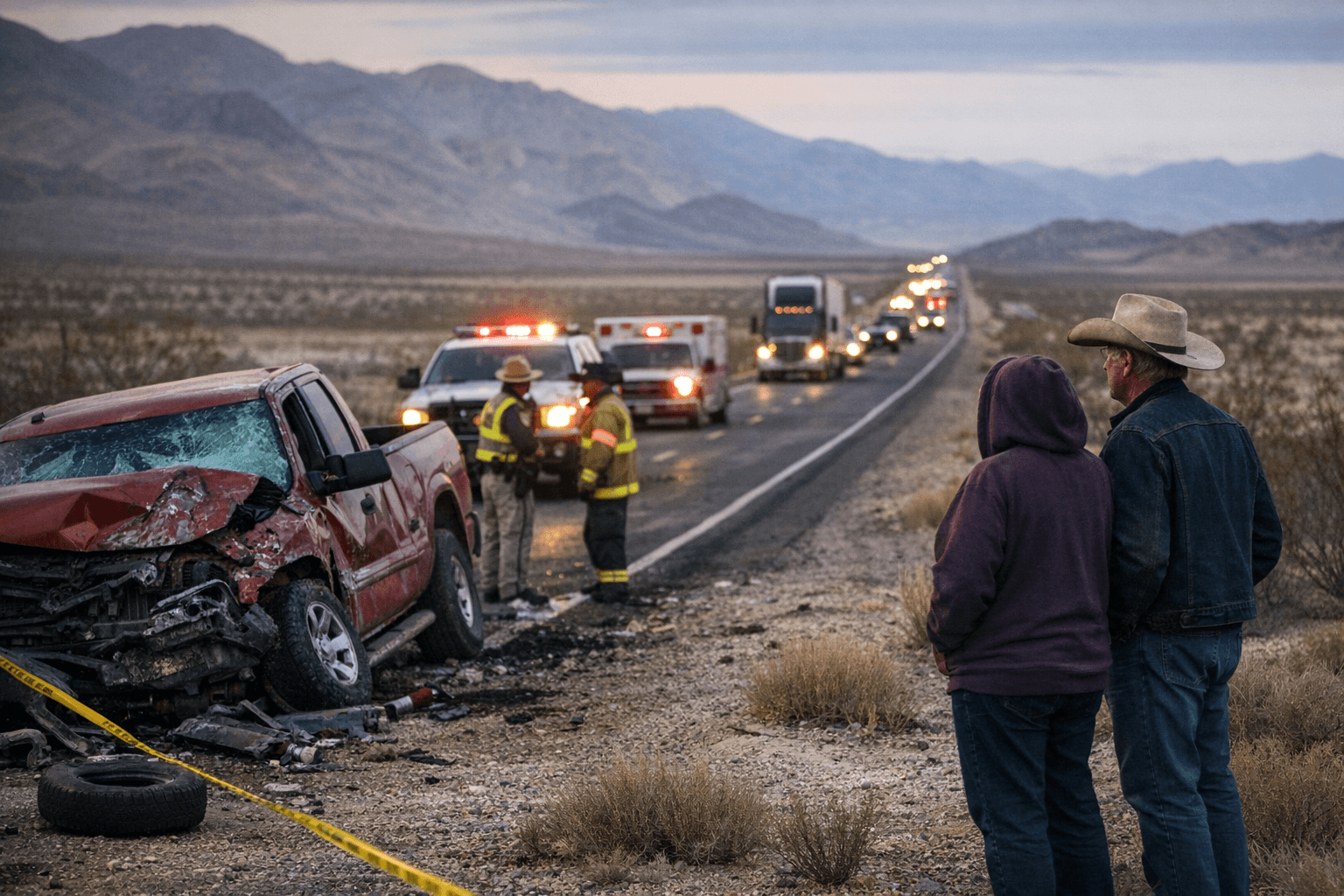
The Beatty Town Advisory Board on March 23 voted unanimously to send letters supporting the addition of passing lanes in both directions on U.S. Highway 95, framing the move as an appeal to the Nevada Department of Transportation and Nevada’s federal delegation to fund engineering studies and construction. Residents at the meeting pointed to a pattern of unsafe passing maneuvers, blocked sight lines and heavy commercial traffic; Teresa Sullivan told the board, “The number of near-death accidents I’ve seen on this road is outrageous.” The board’s action follows a Feb. 26, 2026 crash at mile marker 73, roughly 13 miles north of Beatty, in which a semi and a tow truck collided and both vehicles caught fire, killing two people.
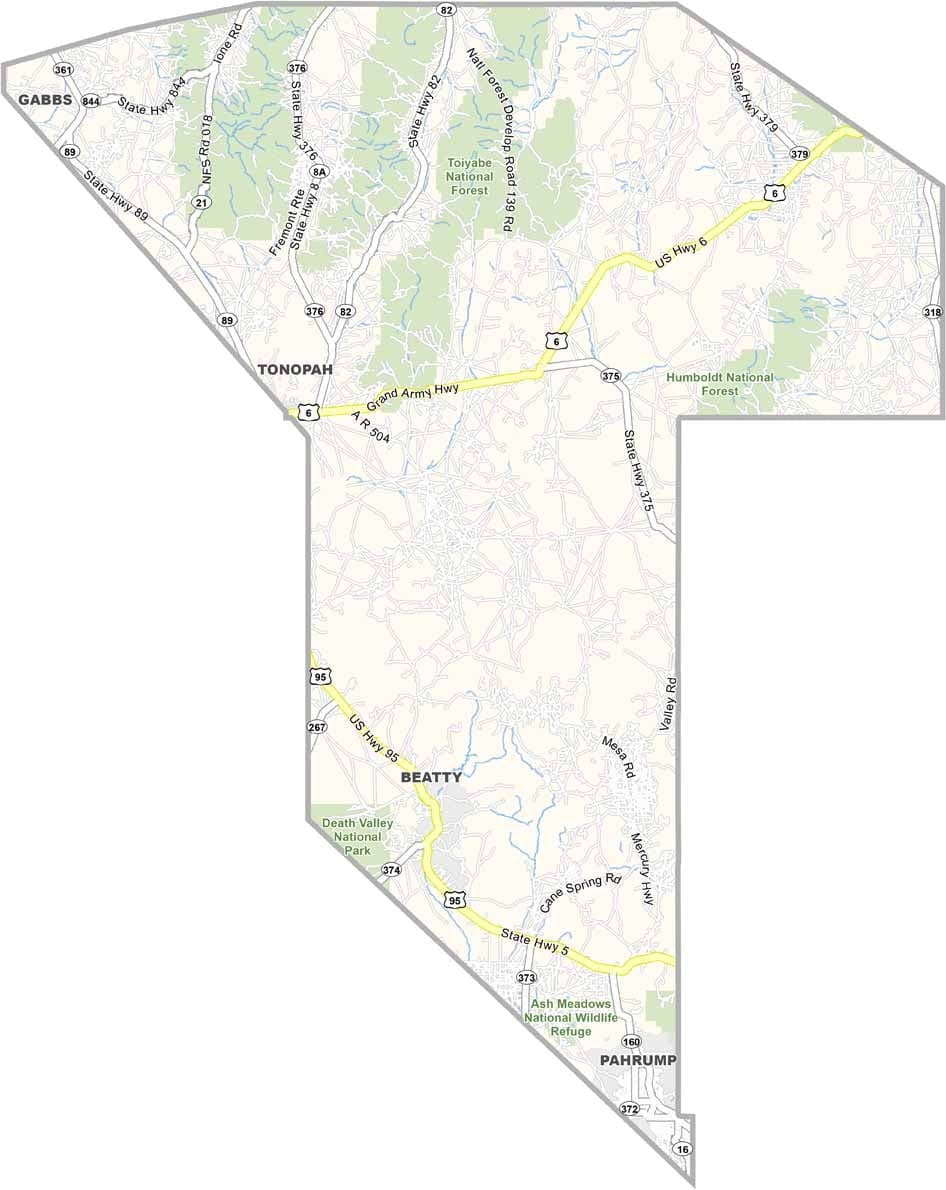
The local push aligns with an NDOT program already scheduled for the corridor: NDOT officials told Nye County commissioners that four passing-lane segments between Mercury and Beatty are planned within the next 24 months, and Mario Gomez said, "Within the next two years, NDOT has plans for four passing lane areas on US95." NDOT indicated two segments were expected to begin in the first year and two in the second, providing a concrete timeline that town leaders hope will be accelerated or prioritized where safety needs are greatest.
Board members and public speakers flagged specific trouble spots, including blocked sight lines near the NV-373 and U.S. 95 intersection and poor lighting and pavement markings at the Pahrump T-intersection. Beatty functions as a gateway to Death Valley National Park, and residents said the mix of tourist vehicles and heavy trucks increases the frequency of near-miss incidents on the corridor that serves local businesses and through traffic.
The meeting also addressed infrastructure beyond pavement: Greenlink West transmission routing and tower lighting drew concern because FAA obstruction-marking rules can require red flashing lights on tall structures. Kevin Emmerich, co-founder of Basin and Range Watch and a former National Park Service ranger, urged measures to preserve dark-sky tourism, suggesting pilot-activated or sensor-driven systems that illuminate towers only when aircraft are nearby. Greenlink West is a multi-hundred-mile transmission project that the BLM and DOE reviewed under NEPA, and its scale, including proposed collector substations near Amargosa, has prompted scrutiny of lighting and visual impacts.
Carolyn Allen, chair of the Amargosa Valley Town Board, pressed the advisory board on large-scale solar near Ash Meadows, warning of water, dust and wildfire-suppression risks if a NextEra proposal moves forward on roughly 10,000 acres about 16 miles north of Ash Meadows National Wildlife Refuge. Allen said, “We’re under attack at Ash Meadows again,” and joined tribal and conservation voices, including the Timbisha Shoshone and Amargosa Conservancy representatives such as Mason Voehl, in urging closer review and protective designations.
The Beatty board forwarded its letters to county officials for routing to NDOT, BLM and Nevada’s congressional delegation, signaling local intent to press both safety upgrades and design mitigations for energy projects. With NDOT’s prior $17.1 million contract in 2020 for U.S. 95 improvements and the agency’s current two-year passing-lane plan, Beatty officials and residents now face a window in which design choices for lanes, tower lighting and the Rock Valley solar proposal could be shaped by sustained local advocacy.
This article was produced by Prism’s automated news system from verified source data, official records, and press releases, then run through automated quality and moderation checks before publishing. The system is built and supervised by the people who set the standards it runs under. Read our full AI policy.
Did this article answer your question?