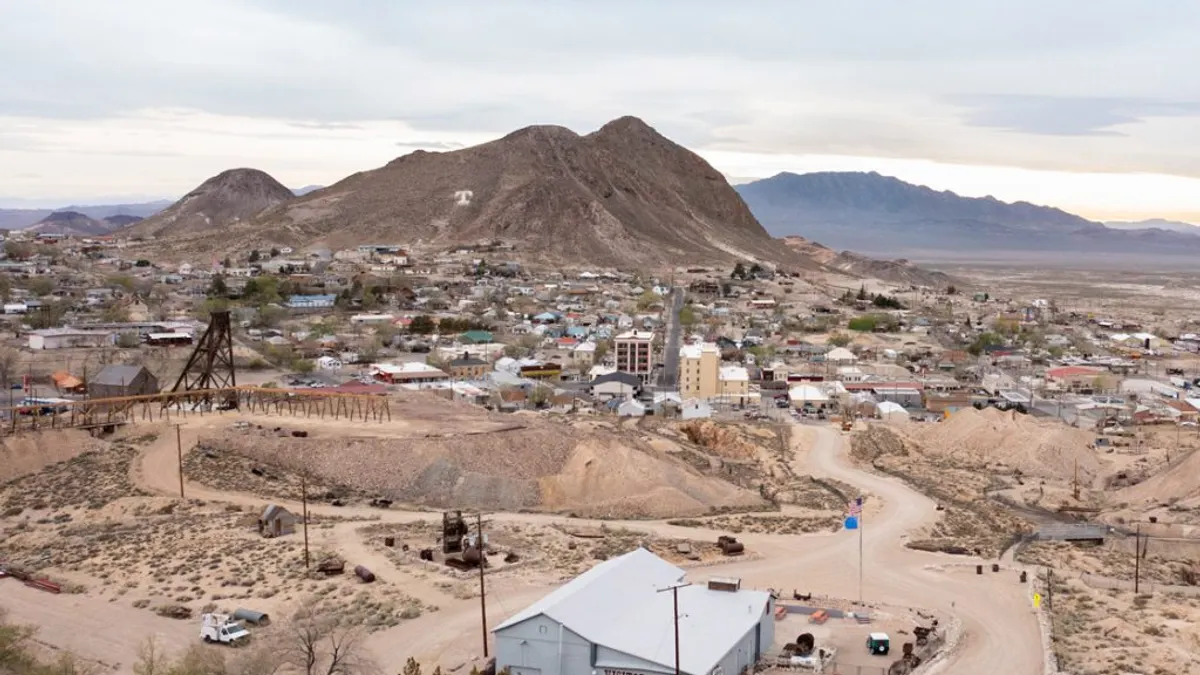
Beatty faces mining push that could reshape desert community
BLM is still reviewing North Bullfrog, a proposed mine nine miles north of Beatty that could bring 530 construction jobs and reshape the Amargosa corridor.
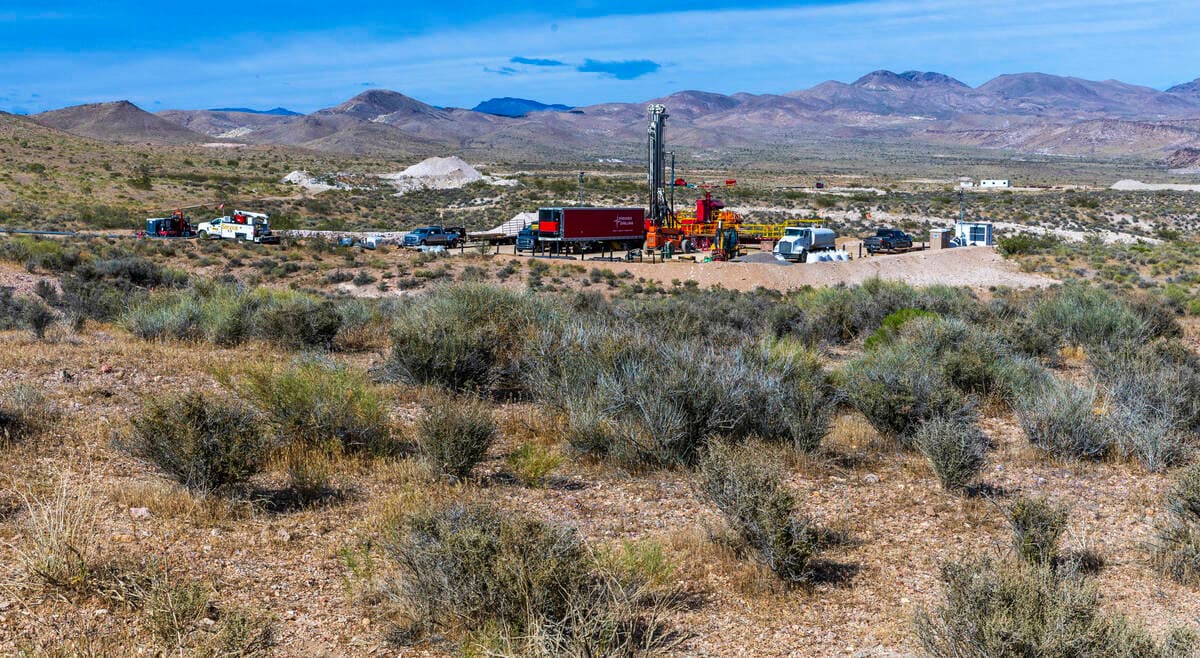
The Bureau of Land Management holds the key decision on North Bullfrog, a proposed surface gold mine on 6,298 public and private acres about nine miles north of Beatty’s main population center. If the federal review clears the project, Nye County’s smallest mining town could see a major industrial expansion tied to one of the most contested stretches of desert in southern Nevada.
The project is still in the public-review and comment stage under NEPA number DOI-BLM-NV-B020-2024-0019-EIS, after the agency opened comments in April 2024 and held online scoping meetings on April 24 and April 25 of that year. BLM says the mine could employ about 530 people during a one-year construction phase and about 230 people over the life of the mine. For Beatty, those numbers would mean more workers, more vehicles and more pressure on housing in a town that sits far from the larger labor and service markets of southern Nevada.
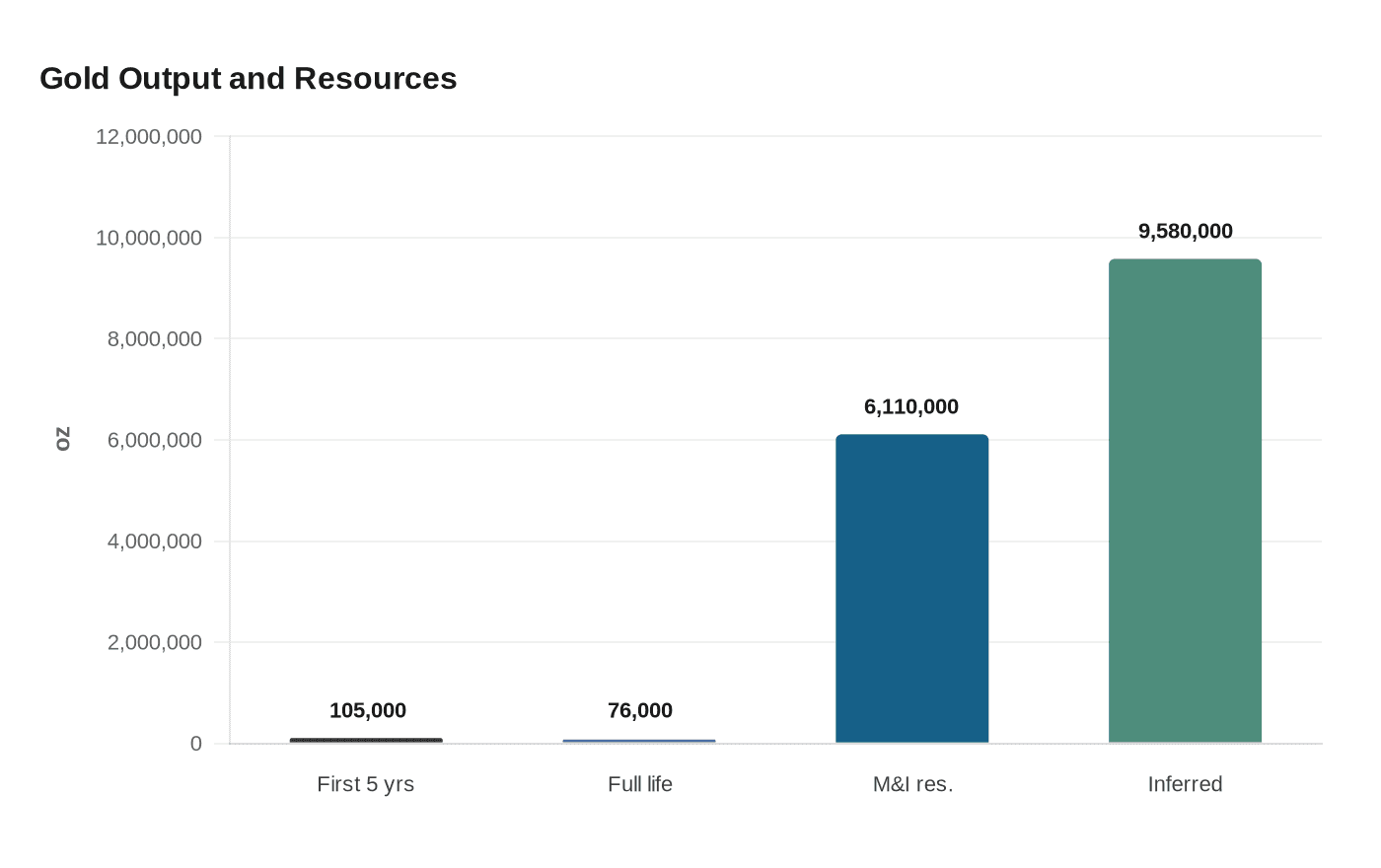
AngloGold Ashanti says North Bullfrog is expected to be its first gold-producing project in Nevada. The company says detailed engineering was about 70 percent complete by the end of 2025, with an estimated capital cost of $480 million, an 11-year mine life, average output of about 105,000 ounces a year in the first five years and 76,000 ounces annually over the full mine life. AngloGold also puts the project’s all-in sustaining cost at $934 per ounce and says the Beatty district contained 6.11 million ounces of measured-and-indicated gold resources and 9.58 million ounces of inferred resources as of Dec. 31, 2025.
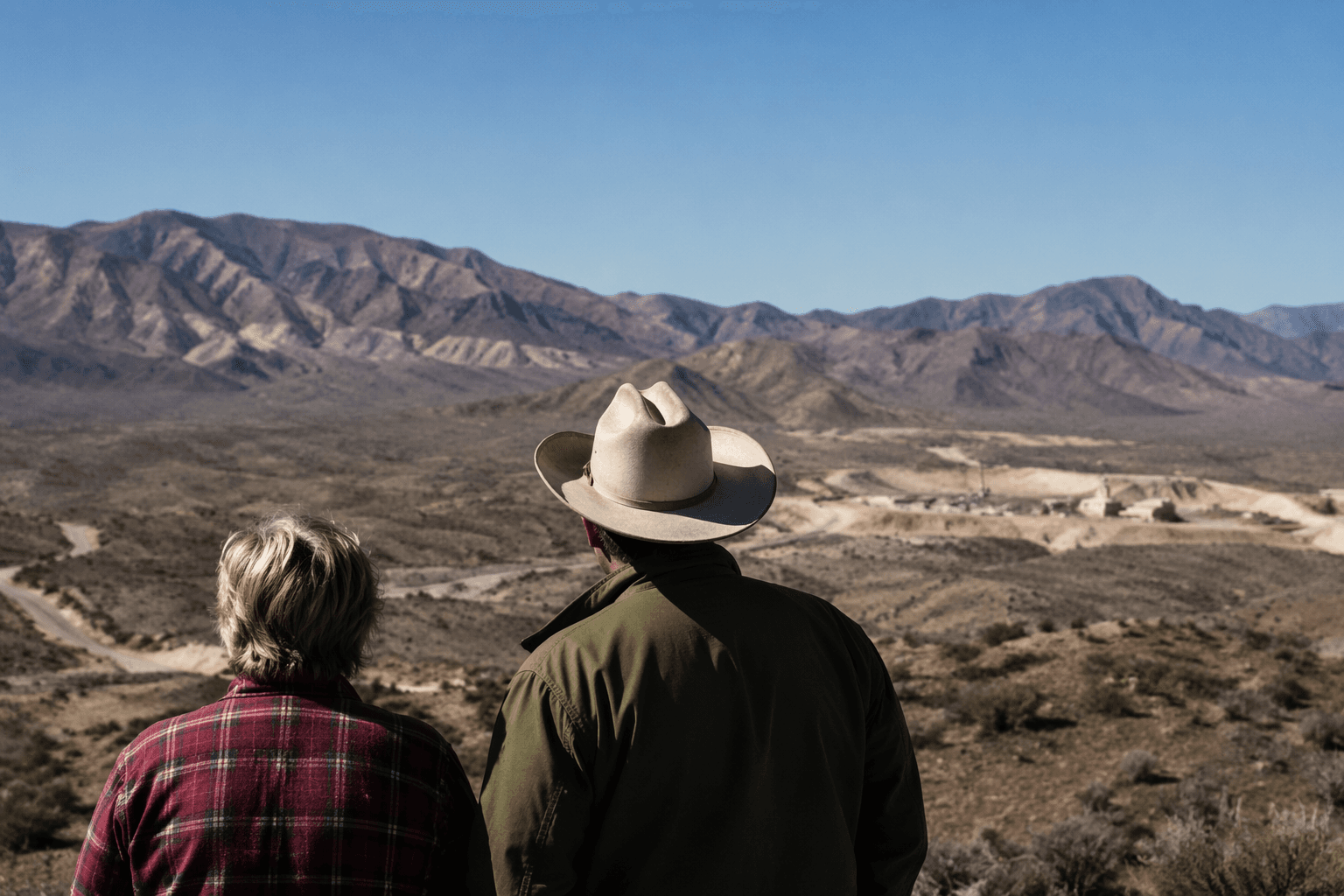
The economic case is colliding with a water and habitat fight. Conservation advocates say North Bullfrog is the first of roughly a half-dozen gold mines being explored or permitted near the Amargosa River, a groundwater-fed system that runs about 180 miles through the northern Mojave Desert and into Death Valley National Park. In conservation materials, the mine site is described as sitting about three miles west of the river, adding to concern over groundwater, open-pit impacts and the fragile desert scenery around the Bullfrog Hills.
At Torrance Ranch Preserve, botanist Chloe Novak and Great Basin director Patrick Donnelly have been examining water and habitat issues tied to the project. Plants of concern include bullfrog mountain pea and glandular wild buckwheat, species that help explain why the dispute has become about more than gold. If North Bullfrog advances, the fight will not just be over mining jobs and royalties. It will also be over whether Beatty’s next chapter brings a larger industrial footprint to one of the most sensitive landscapes in Nye County.
Beatty knows this pattern better than most. Founded in 1904, the town once supplied the Bullfrog Mining District, which included Rhyolite and Bullfrog, and for a short time it was the district’s largest town. More than a century later, the same mining frontier is back before federal regulators, with the future of the desert community now resting on how BLM weighs development against water, habitat and the character of the Amargosa corridor.
This article was produced by Prism’s automated news system from verified source data, official records, and press releases, then run through automated quality and moderation checks before publishing. The system is built and supervised by the people who set the standards it runs under. Read our full AI policy.
Know something we missed? Have a correction or additional information?
Submit a Tip