Belmont Courthouse Park Preserves History while Raising Access Concerns
Belmont Courthouse State Historic Park preserves a partially restored 19th century courthouse in the ghost town of Belmont, about 45 miles northeast of Tonopah. The site is a popular heritage attraction, but limited amenities and rural location create practical and equity questions for local residents, visitors, and county planners.
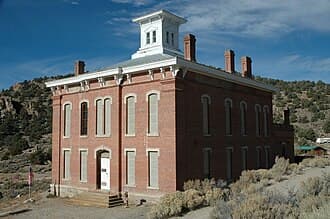
The partially restored courthouse at Belmont stands as a tangible link to Nye County’s mining-era past. Constructed in 1876 and serving as the county seat until 1905, the courthouse anchors Belmont Courthouse State Historic Park, a managed site open for public visitation and interpretation. For residents and visitors interested in the county’s development and Nevada’s early county governments, the park offers a rare chance to experience local history on the landscape where it unfolded.
The park’s remote setting, roughly 45 miles northeast of Tonopah, shapes how the site is used and who can access it. Amenities are limited to picnic tables and restrooms, and programming focuses on interpretation rather than recreational services. That combination attracts heritage tourism and supports community identity, while also presenting practical challenges for families, older adults, people with mobility limitations, and anyone traveling long distances on rural roads.
From a public health perspective, parks and cultural sites contribute to physical activity, mental well-being, and social cohesion. Belmont’s open space and historic setting offer low-cost opportunities for outdoor recreation and learning that can benefit population health across Nye County. At the same time, the site’s sparse facilities and long travel times underline persistent rural health equity issues: transportation barriers, limited infrastructure, and fragile local economies that can limit access to health-promoting resources.
Healthcare and planning officials often look to nonclinical assets like parks when addressing social determinants of health. For Nye County, supporting access to Belmont Courthouse State Historic Park intersects with broader policy choices about rural transportation, emergency response capacity on remote stretches of highway, and investment in visitor facilities that are safe and accessible. Enhancing interpretive services and maintaining basic amenities can bolster heritage tourism, which in turn supports local businesses and household incomes, key factors in community health and resilience.
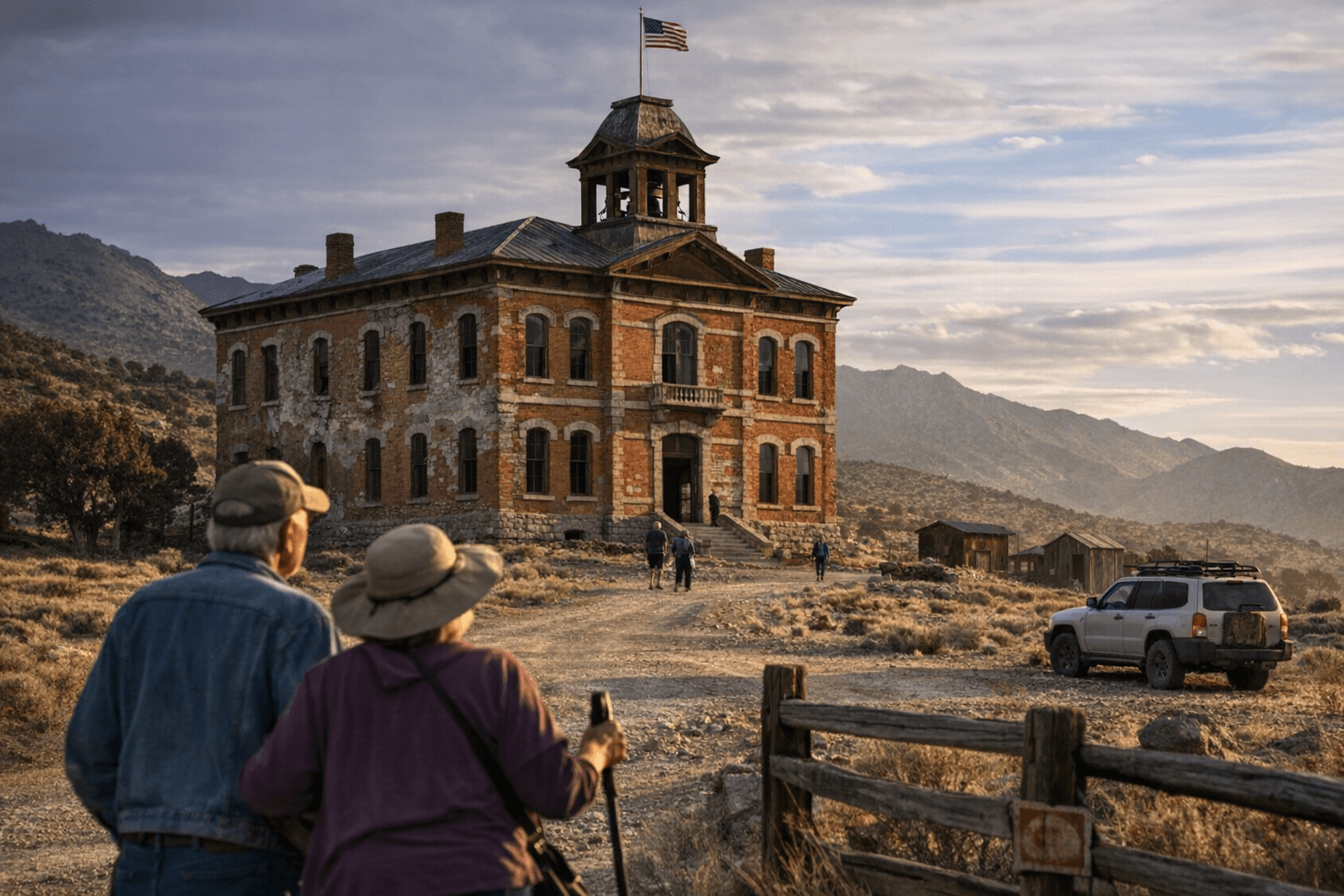
Preservation of Belmont also carries cultural equity implications. Ensuring that county residents, including people living on limited incomes or without reliable transportation, can benefit from their own history requires attention to outreach, scheduling of events at accessible times, and coordination with regional services. The park’s management for public visitation creates opportunity: with modest investment and targeted policy decisions, Belmont can continue to serve as both a classroom about Nye County’s origins and a community resource that supports health, economic stability, and civic belonging.
Local leaders, health officials, and park stewards face decisions about how to balance preservation with access. For many in eastern Nye County, the courthouse remains more than a relic; it is a shared asset whose value depends on both careful conservation and equitable access.
Know something we missed? Have a correction or additional information?
Submit a Tip