Nevada urges horse owners to act early on mosquito diseases
Warm weather has pushed mosquito season forward in Nye County, and state officials are urging horse owners to vaccinate now before West Nile and equine encephalitis cases climb.
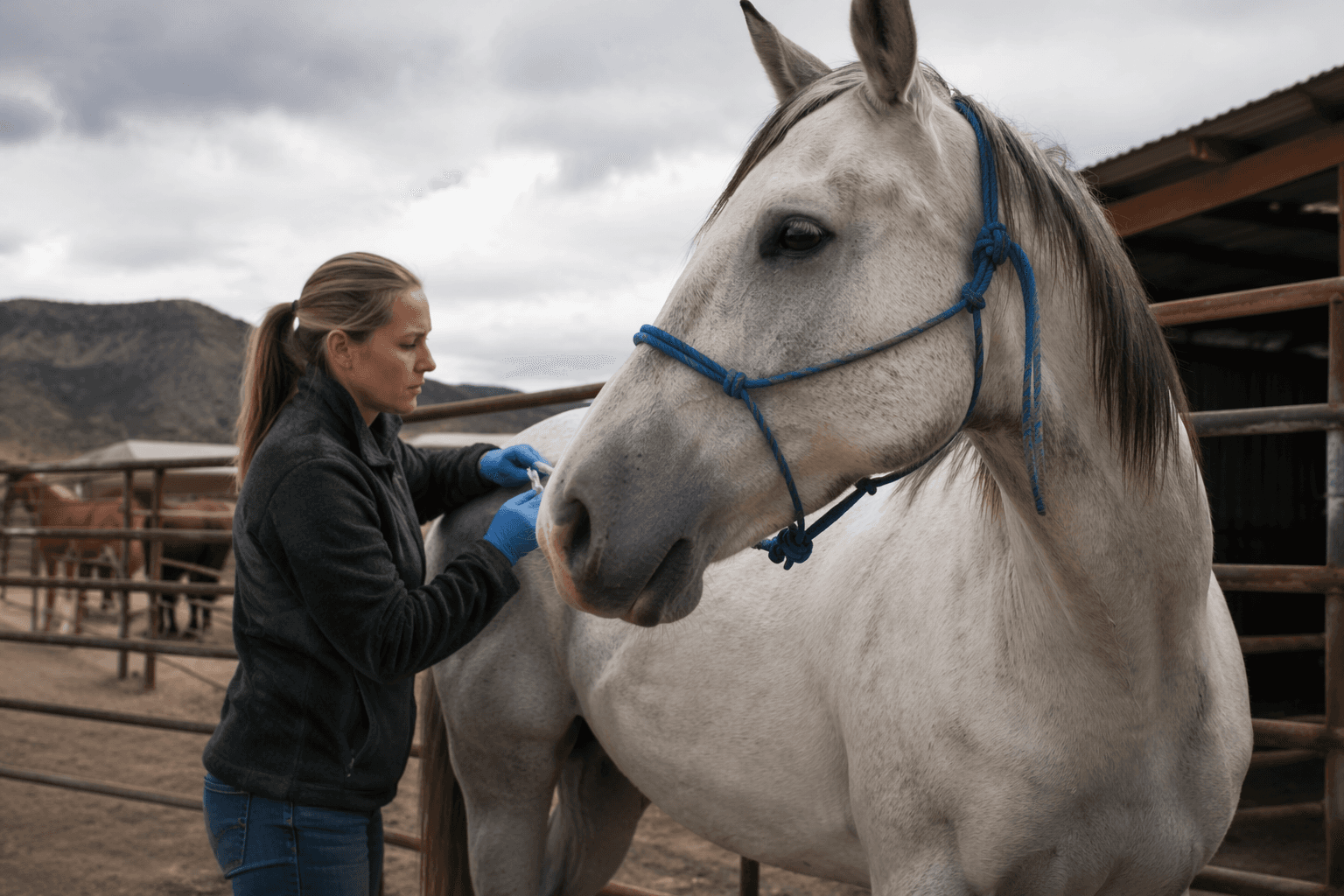
Horse owners in Nye County are being pressed to act before mosquito season peaks, after warm weather brought activity on earlier than usual and raised the risk of West Nile Virus and equine encephalitis around Pahrump, barns and rural properties.
The Nevada Department of Agriculture warned that both diseases can hit horses, humans and other animals, with severe cases leading to inflammation of the brain and nervous system, long-term neurological damage or death. The state says the diseases spread through infected mosquitoes, not from horse to horse or from horses to people, which makes mosquito control and vaccination the first line of defense.
Dr. Peter Rolfe, Nevada’s state veterinarian, said vaccination is still the most effective protection and urged owners to work with veterinarians now, before animals show symptoms. The department says the window for effective vaccines has passed once clinical signs appear, and that spring is the time to get horses protected because illness often does not show up until late summer or fall.
The warning carries added weight in Nye County, where irrigation, standing water and outdoor animal facilities can create ideal breeding conditions once temperatures rise. State guidance calls for removing standing water around barns and homes, reducing mosquito breeding areas and using approved insect repellents as part of a broader prevention plan. The Nevada Department of Agriculture also monitors mosquito sample pools statewide to track diseases like West Nile Virus.
The risk is not theoretical. On July 24, 2024, the department confirmed West Nile Virus in two horses in Clark and Nye counties, and both animals were euthanized after treatment did not improve their conditions. In its 2025 reminder, the agency again stressed that West Nile can severely affect a horse’s brain, spinal cord and nervous system, and that late summer and fall are often when clinical signs appear, making early vaccination critical.
The current message for Nye County is direct: check vaccination records, talk with a veterinarian now, and clear standing water before peak mosquito activity arrives. In a county where horse owners, rescue operations and small ranches depend on healthy animals, prevention is the best chance to avoid another avoidable outbreak.
This article was produced by Prism’s automated news system from verified source data, official records, and press releases, then run through automated quality and moderation checks before publishing. The system is built and supervised by the people who set the standards it runs under. Read our full AI policy.
Did this article answer your question?