Nye County Officials Publish Steps to Report Crashes, Suspicious Deaths, Burglaries
Nye County on Feb. 24, 2026 published step-by-step guidance telling residents who to call, how to preserve evidence and what follow-up to expect after crashes, suspicious deaths and burglaries.

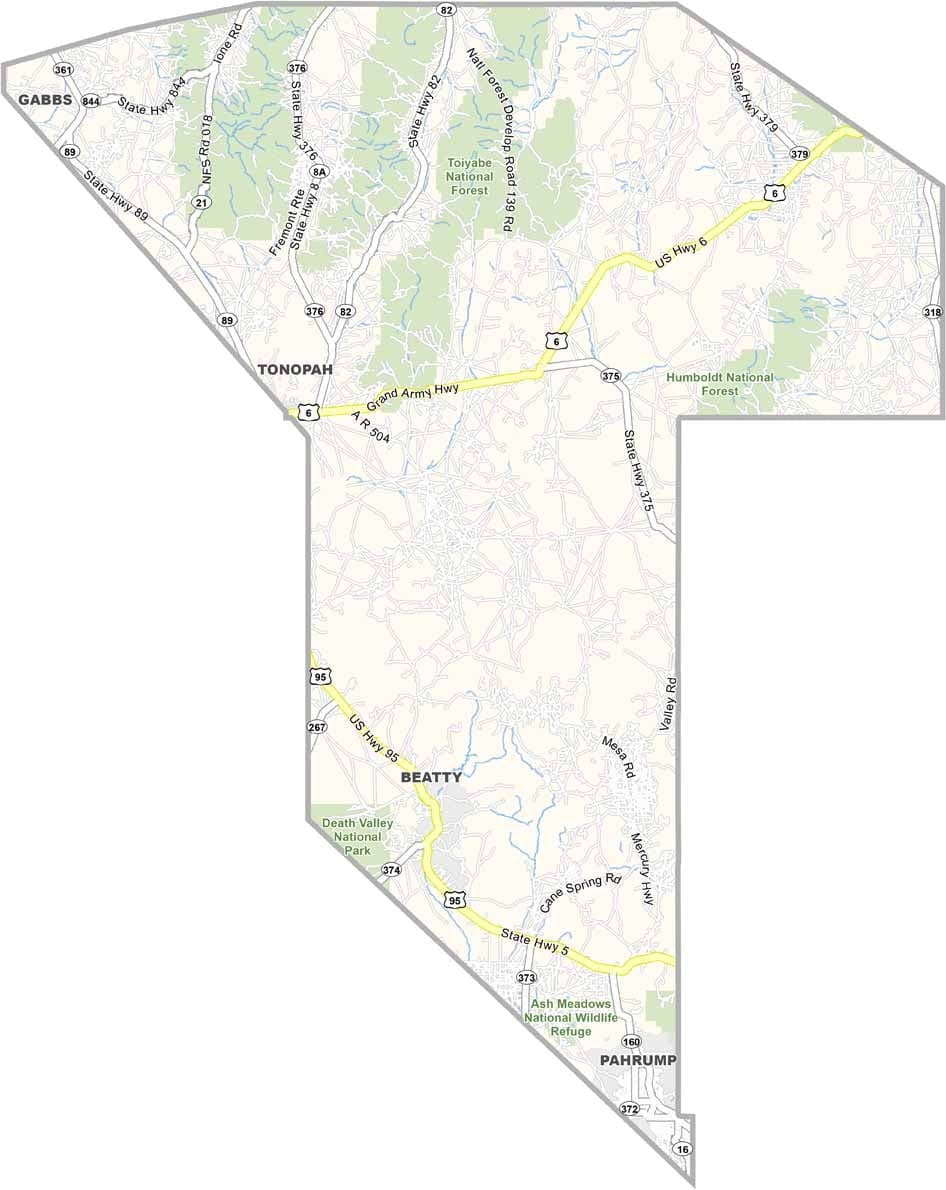
Nye County officials, the Nye County Sheriff’s Office (NCSO) and county administration, published a consolidated set of steps for reporting crashes, suspicious deaths and burglaries to give residents immediate, usable guidance about who to call, how to preserve evidence and what follow-up to expect. The guidance responds to longstanding resident requests for clearer instructions across Pahrump, Tonopah, Beatty, Amargosa Valley and other communities in the county.
1. Report a crash
When a crash occurs, call 911 immediately if anyone is injured, trapped or there is a fire. For non-emergency collisions where there are no injuries and the scene is secure, contact the Nye County Sheriff’s Office via their non-emergency line; county officials explicitly list emergency versus non-emergency contacts as the first decision residents should make. At the scene, the guidance urges drivers to move vehicles only if they create a hazard or are instructed to do so by first responders; otherwise preserve the scene for investigators and take photos showing vehicle positions, damage and nearby road signs. If the collision occurs on state routes that run through Nye County, for example SR-160 near Pahrump or US-95 near Tonopah, note the mile marker or nearby landmark aloud and in writing for your report to NCSO and for insurance claims.
2. Report a suspicious death
If you discover what you believe to be a suspicious death or find someone unresponsive under circumstances that raise concern, call 911 immediately and do not disturb the scene. The NCSO guidance makes clear that first responders and detectives coordinate with the Nye County coroner when deaths are suspicious or unexplained; preserving the scene at discovery preserves critical evidence for both law enforcement and the coroner’s inquiry. Do not move the body, remove items from the scene, or clean until officers arrive; instead make a note of who discovered the scene, when, and any unusual observations such as forced entry, drug paraphernalia or evidence of a struggle. If you have home or doorbell camera footage from Pahrump, Beatty or other local neighborhoods, save the original files and make copies to provide to investigators.
3. Report a burglary
If a burglary is in progress, call 911 and, whenever safe, seek a secure location away from the property; if you discover a past burglary where no one is inside, call the Nye County Sheriff’s Office non-emergency line to file the report. The published steps tell residents to avoid re-entering the premises until law enforcement arrives so they do not disturb potential evidence; instead document damage to doors, windows and locks with time-stamped photos from a safe distance. Assemble an inventory of missing items with serial numbers, approximate values and any unique identifiers to give to NCSO and to your insurance company; where available, gather receipts, photos or prior appraisals that can speed recovery and claims.
- Use your smartphone to photograph wide-scene shots, mid-range context and close-ups of identifying marks.
- Back up digital footage to a separate device or cloud storage before sharing it with investigators.
- Do not launder clothing or clean surfaces that might contain forensic material; instead store items in paper (not plastic) bags if you must move them for safety.
4. Preserve evidence and document the scene
Across crashes, suspicious deaths and burglaries the county places the highest priority on preserving physical evidence and documenting observations in real time. Take clear, time-stamped photographs and video of vehicles, damage, entry points, footprints, stains or discarded items; if you have doorbell or security-camera footage from homes in Pahrump, Amargosa Valley or other neighborhoods, extract and save the raw files immediately rather than overwriting them. Get witness names, phone numbers and brief statements while details are fresh; write the exact time you observed things and the weather or lighting conditions that could affect evidence. Practical tips from the guidance:
5. What to expect after you report: investigations, reports and follow-up
County guidance describes a predictable sequence: dispatch, on-scene response, documentation, and investigative follow-up by detectives or the coroner as appropriate. After a 911 or non-emergency call, expect responding deputies from NCSO to secure the scene and create an initial incident report; for collisions this report is the document you will need for insurance, and for suspicious deaths the report is forwarded to the Nye County coroner for further action. The county advises residents to request an incident or case number at the time of reporting, that number is critical for tracking the investigation, obtaining copies of reports, and following up with NCSO’s Records Division or county administration. Timelines vary by case complexity, but the guidance emphasizes that interactions with investigators and the coroner will be the primary pathway to clarification and next steps.
6. Where to get help beyond the initial report
The NCSO and county administration make clear there are additional local resources you can contact after the immediate report: the Nye County coroner for questions about unexplained deaths, county victim services for burglary victims, and NCSO records for copies of reports. For incidents along major corridors or involving multiple jurisdictions, deputies will coordinate with state and neighboring county agencies; residents should expect cross-jurisdiction communication when a scene touches state routes or tribal lands. The county also highlights that documentation from NCSO supports insurance claims, emergency assistance programs and any civil remedies residents may pursue.
7. Policy and institutional implications for Nye County
Clear, public reporting steps are more than operational advice, they shape how residents experience justice and how county leaders allocate resources. By publishing guidance on Feb. 24, 2026, the Nye County Sheriff’s Office and county administration aimed to reduce confusion at critical moments and to produce more consistent, actionable incident information for investigators. That consistency directly affects workload in the sheriff’s office and the records division, which in turn factors into budget decisions taken by the Nye County Board of County Commissioners; clearer reporting can help demonstrate service needs at commission budget hearings and influence staffing or equipment requests. Civic engagement matters here: when residents use standardized reporting practices and bring data on response times or case closures to public meetings, it strengthens oversight and accountability in county governance.
8. Practical next steps for every household in Nye County
Every household should make a simple, local incident plan that reflects the county guidance: designate an out-of-scene contact, know how to access and preserve security footage, and keep a record of serial numbers for valuable items. Consider consolidating digital backups for camera footage from properties in Pahrump, Tonopah or Amargosa Valley so files are preserved if a device is damaged or seized. Keep a printed list of emergency and non-emergency contacts for the Nye County Sheriff’s Office and the county coroner in an accessible place, and note the distinction between calling 911 for immediate danger and the non-emergency line for later reports.
Conclusion Nye County’s Feb. 24, 2026 publication of step-by-step reporting instructions is a practical effort to give Pahrump, Tonopah, Beatty, Amargosa Valley and other communities clear actions at stressful moments. Following the county’s sequence, call 911 for emergencies, preserve the scene, document evidence, and obtain a case number, improves investigators’ ability to act, helps victims navigate insurance and recovery, and produces the data county leaders need to allocate public-safety resources responsibly. For residents, knowing these steps reduces uncertainty when it matters most and strengthens civic accountability for public safety across Nye County.
This article was produced by Prism’s automated news system from verified source data, official records, and press releases, then run through automated quality and moderation checks before publishing. The system is built and supervised by the people who set the standards it runs under. Read our full AI policy.
Did this article answer your question?