Nye County Warns SAVE Act's Proof-of-Citizenship Rule Could Confuse Rural Voters
Attorney General Aaron D. Ford warns H.R.22 could bar Nye County voters who present only Nevada driver’s licenses or Real IDs from casting federal ballots without a passport or birth certificate.

Attorney General Aaron D. Ford warned that H.R.22 - the Safeguard American Voter Eligibility Act passed by the U.S. House in mid‑February 2026 - would force Nye County voters who show only a Nevada driver’s license or Real ID to produce a passport or birth certificate to vote in federal races, and that election officials who register voters without that documentation could face criminal penalties and private lawsuits. Ford joined a coalition of 18 attorneys general that sent a letter to House Speaker Mike Johnson and Minority Leader Hakeem Jeffries opposing the bill.
Ford’s Carson City press materials framed the risk as disproportionate to the problem the bill seeks to solve; the coalition cited studies it summarized as finding noncitizen voting in high‑immigration jurisdictions at about 0.0001% of votes cast. The AG letter also asserted that “over 21 million voting‑age citizens do not have ready access to a passport, birth record, or naturalization record” and claimed that “80% of married women would not have a valid birth certificate under the SAVE Act because those women chose to adopt their partner's last name.”
Senator Catherine Cortez Masto warned voters who have changed names after marriage could face new hurdles. “Because the SAVE America Act specifically requires proof of citizenship to vote, this will negatively affect anyone who has changed their name, including married women. A birth certificate or passport would be required in order to register to vote, and for married women without a passport, proving citizenship would require presenting additional documents like a marriage certificate. These additional requirements are unnecessary hurdles that could result in fewer women voting overall,” Cortez Masto said following the House vote.
Civil‑liberties advocates raised similar operational concerns. Athar Haseebullah, executive director of ACLU of Nevada, said, “It’s overly simplistic to say everybody should show an ID, but the reality is that not everybody has access to one. On the back‑end of it, what happens when you go to the voting location and what happens if the person says you don’t look like the picture or there is not a name that matches up because someone was just married.” Haseebullah also warned the law “could force a poll tax for those who need to pay for additional documents.” President Donald J. Trump urged congressional passage during the State of the Union, saying, “Perhaps, most importantly, I am asking you to approve the SAVE America Act,” and adding, “All voters must show proof of citizenship in order to vote.”
Election‑administration experts say the bill’s in‑person proof requirement would shift registration modes. The Brennan Center has said the in‑person proof rule “effectively eliminates mail‑based and online voter registration for most people,” a concern given that federal data show more than 7 million people registered by mail and more than 11 million registered online in 2022. The Voting Rights Lab reports roughly 43% of Americans hold passports, amplifying the practical impact of a rule that treats Nevada Real ID and standard driver’s licenses as insufficient evidence of U.S. citizenship.
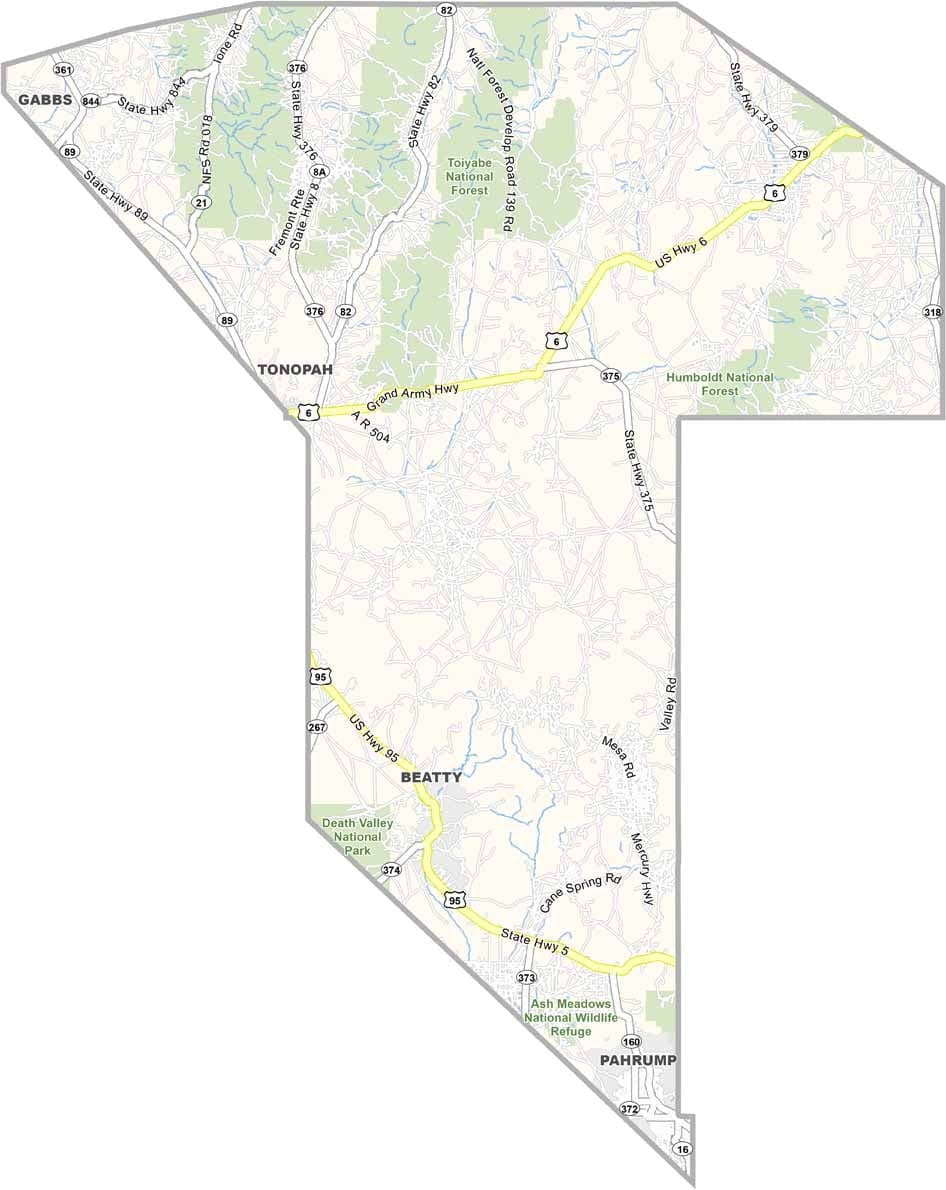
Nevada already faces a parallel ballot fight: a 2024 state constitutional amendment requiring ID passed with more than 73% of voters and organizers are preparing Question 7 for the 2026 ballot. Legal analysts and The Nevada Current warned a national citizenship standard in H.R.22 could conflict with Nevada’s state ballot language and create legal and administrative chaos for county offices. That chaos would fall to county administrators who run federal elections in rural communities such as Tonopah and Pahrump and to the Nye County Clerk/Register of Voters, while Secretary of State Francisco Aguilar has issued a statement addressing the legislation.
With H.R.22 awaiting action in the U.S. Senate, Nevada officials from Attorney General Ford to local election administrators say the combination of in‑person documentation, criminal enforcement provisions, and private‑suit exposure creates concrete operational and legal questions that could complicate ballot access and election administration across Nye County this year.
This article was produced by Prism’s automated news system from verified source data, official records, and press releases, then run through automated quality and moderation checks before publishing. The system is built and supervised by the people who set the standards it runs under. Read our full AI policy.
Did this article answer your question?