Nye County's Two Main Highways, Key Safety Tips for Every Driver
SR-160 and U.S. 95 carry nearly every Nye County driver who ventures beyond Pahrump — here's what the roads demand of you.
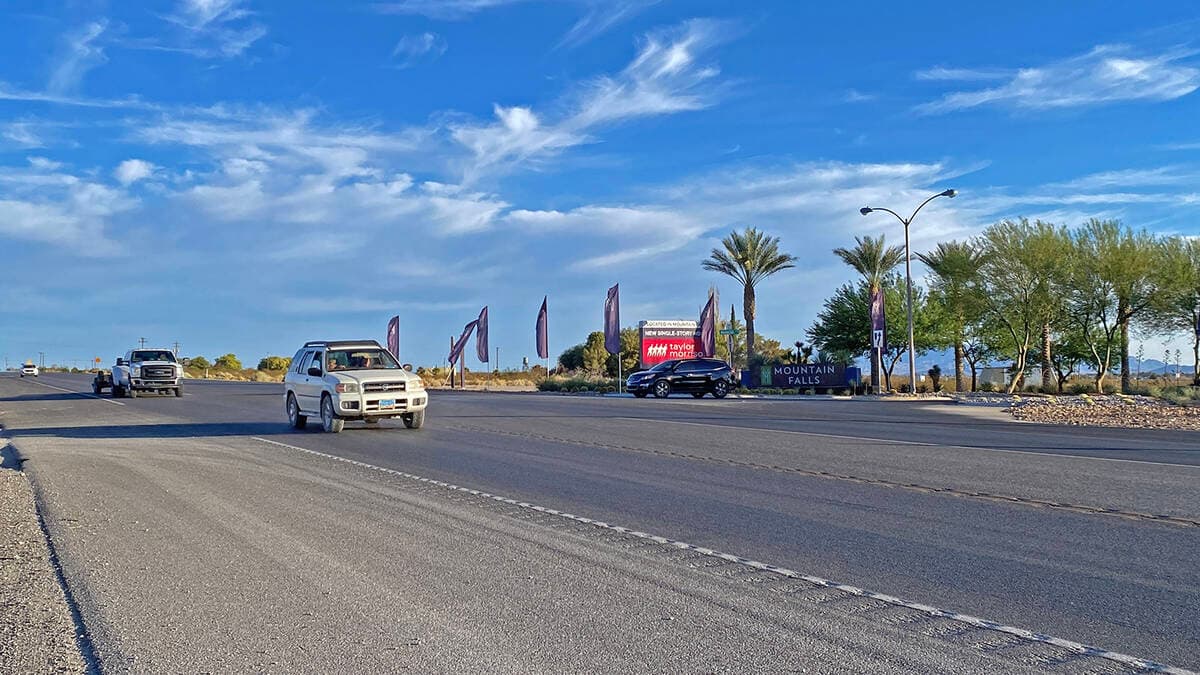
Two highways define how Nye County moves. State Route 160, known locally as Pahrump Valley Highway, connects the county's largest population center to the Las Vegas metro. U.S. Route 95 runs the county's eastern spine, linking communities to Tonopah in the north and the Nevada-Arizona corridor to the south. Together, these corridors function as the county's circulatory system — and understanding their distinct characters, hazards, and demands is the difference between a routine drive and a dangerous one.
SR-160: The Pahrump Valley Highway
SR-160 is the road most Pahrump residents know by instinct. It stretches from the California state line east through Pahrump and over the Spring Mountains before descending into the Las Vegas Valley. For daily commuters, grocery runs, and medical appointments that require a trip to Las Vegas, this highway is not optional — it is the only practical route.
The mountain passage over the Spring Mountains is the corridor's most consequential stretch. Elevation changes are abrupt, and the road narrows through curves that punish drivers who carry Las Vegas freeway speeds into the highlands. In winter months, ice and snow accumulate rapidly on the upper elevation sections, and conditions can shift within a single drive. Drivers heading toward Las Vegas in clear Pahrump weather have encountered black ice within minutes of gaining elevation.
Key safety considerations on SR-160:
- Check the Nevada Department of Transportation's road condition reports before any crossing of the Spring Mountains, particularly between October and March.
- Reduce speed significantly through the mountain curves regardless of posted limits — advisory speeds on curves reflect ideal dry conditions, not wet or icy pavement.
- Watch for rock fall and debris on the roadway, especially after precipitation or high winds.
- Maintain adequate fuel before departing Pahrump; service options thin quickly once you leave the valley floor.
- Be alert for wildlife, particularly at dawn and dusk, when deer and other animals cross the highway.
The stretch through Pahrump itself carries its own risks. Intersections along SR-160 through town see significant cross traffic, and the speed differential between through-traffic and turning vehicles creates frequent conflict points. Pedestrian activity near commercial corridors demands attention, especially around peak shopping hours.
U.S. Route 95: The Desert Spine
U.S. 95 is a different road in nearly every respect. Where SR-160 climbs and descends, U.S. 95 stretches across open desert terrain for long, uninterrupted distances. The highway runs through some of the most remote driving environment in Nevada, passing through or near Amargosa Valley before continuing north toward Beatty, Tonopah, and beyond.
Distance and isolation are U.S. 95's defining safety factors. Stretches between communities can run for dozens of miles without services, cell coverage, or guaranteed emergency response. A mechanical failure or medical emergency on this highway cannot be treated as a minor inconvenience — response times reflect the geography.
Key safety considerations on U.S. 95:
- Carry more water than you think you need, particularly in summer months when temperatures in the Amargosa Valley corridor regularly exceed 110 degrees Fahrenheit.
- Maintain a full or near-full fuel tank when departing any community along the route. Do not assume the next town will have an open station.
- Inform someone of your travel plans and expected arrival time when making long drives on this corridor.
- Fatigue is a documented hazard on long desert highways. Pull over at a safe location if you feel drowsy — there is no substitute for rest.
- High winds are common across open desert terrain and can affect vehicle stability, particularly for trucks, SUVs with roof loads, and recreational vehicles.
Speed also warrants specific attention on U.S. 95. The long sight lines and flat terrain create conditions that lead drivers to underestimate their speed. Traffic enforcement along the highway is active, and more critically, high-speed crashes in remote desert have far more severe consequences than crashes closer to emergency services.
Hazards Common to Both Corridors
Several conditions apply with equal force to both SR-160 and U.S. 95, and every driver in Nye County should treat them as baseline knowledge rather than exceptional warnings.
Wildlife crossings are unpredictable on both routes. Nye County's desert and mountain terrain support substantial populations of deer, burros, coyotes, and other animals that move across highways without warning. A collision with a burro or deer at highway speed is frequently fatal for the animal and seriously dangerous for vehicle occupants. Reduced speed at night and heightened vigilance at dawn and dusk are the most effective countermeasures.
Road conditions can change faster than navigation apps or casual observation suggests. Both highways pass through environments where flash flooding can deposit debris or water across the roadway with little warning. Drivers who encounter flowing water across a road surface should not attempt to cross; depth and current are impossible to assess accurately from a moving vehicle.
Cell service is inconsistent on both corridors outside of Pahrump proper. Drivers should not assume they can call for help from every point on either highway. A physical road atlas, a charged backup battery, and basic emergency supplies, including water, a first aid kit, and a reflective warning device, represent minimum preparation for travel on either route.
Seasonal Adjustments
Summer driving on U.S. 95 in particular requires treating heat as a primary hazard rather than background discomfort. Vehicle cooling systems under sustained highway load in extreme temperatures can fail; tire pressure increases with heat; and a breakdown that would be a manageable inconvenience in October becomes a medical emergency in July.
Winter driving on SR-160's mountain section requires the same seriousness that Nevada mountain passes demand statewide. All-season tires are not a substitute for winter tires on snow-covered pavement, and ground clearance matters when the shoulder is obscured by snow accumulation. NDOT periodically closes the mountain section entirely when conditions are unsafe — checking road status before departure is not optional caution but basic preparation.
Traveling These Roads Well
Nye County's two primary highways are not forgiving of inattention, underpreparation, or misplaced confidence in familiar terrain. SR-160 and U.S. 95 serve every community in the county in one form or another, and the drivers who use them safely do so not because the roads are easy but because they approach them with the respect the terrain demands. Preparation, patience, and awareness of conditions that can change within a single drive are the habits that keep Nye County's corridors survivable for everyone who depends on them.
This article was produced by Prism’s automated news system from verified source data, official records, and press releases, then run through automated quality and moderation checks before publishing. The system is built and supervised by the people who set the standards it runs under. Read our full AI policy.
Did this article answer your question?