Pahrump wine scene grows with award-winning wineries and new tasting room
Pahrump's wine cluster has grown from one unfinished 1930 plan into award-winning wineries, a tasting room and a meadery, turning the valley into a destination stop.
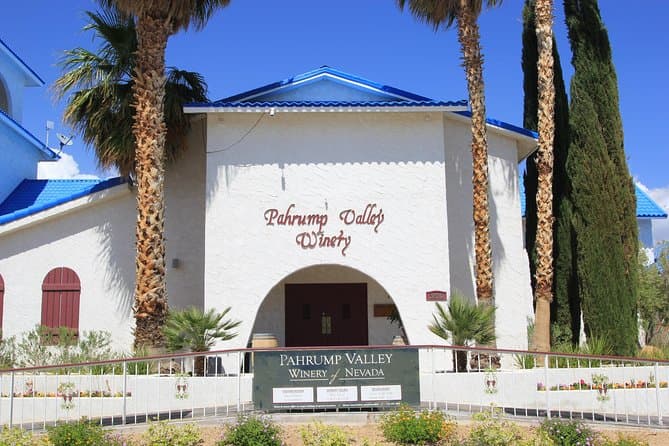
Pahrump’s wine country has become one of Nye County’s most unlikely business transformations. What was once a pass-through between Las Vegas and Death Valley now has tasting rooms, vineyards, concert space and restaurant tie-ins that give visitors a reason to stop, linger and spend money in town.
A destination built one vineyard at a time
The roots of that change go back farther than most drivers realize. Visit Pahrump traces the local wine idea to a bonded winery effort in 1930 that was never developed, then to Jack Sanders, who built Pahrump Valley Winery and later opened Sanders Family Winery. The modern industry did not arrive as a single project; it grew into a cluster of businesses that now includes award-winning labels, a tasting room license for Artesian Cellars and a meadery and taproom at Stonewise.
That cluster matters because it changes how Pahrump is used. Instead of a quick fuel stop on the edge of the desert, the valley now offers a built-in itinerary: vineyards near Winery Road and Valencia Road, food service, art, outdoor views and, in some cases, live music. That is the kind of mix that extends a visit, and extended visits are what create spillover for restaurants, lodging and other local services.
From Jack Sanders’ first winery to a wider wine economy
The modern era of Pahrump wine begins with Sanders, but the exact founding year depends on the source. Visit Pahrump says he founded Pahrump Valley Winery in 1990 and sold it in 2002 before opening Sanders Family Winery in 2009. Sanders Family Winery’s own history page says he founded the first modern winery in Pahrump in 1988. Either way, the through line is clear: Sanders gave the valley a permanent wine identity, then helped it expand into a second label and a broader visitor draw.
That history also shows how reinvestment has shaped the local market. Review-Journal coverage said Bill and Gretchen Loken took over and restored Pahrump Valley Winery and Symphony Restaurant in 2004 with help from a Napa Valley wine consultant. Later coverage said the winery had won nearly 400 national wine medals and completed a 7,000-square-foot, $1 million expansion in 2017. Those are not the markers of a hobby business. They point to a mature operation that kept putting capital back into the property.
Charleston Peak Winery and the place itself
Charleston Peak Winery, formerly Pahrump Valley Vineyards, gives the clearest sense of how the valley’s wine brand now sells place as much as product. Travel Nevada says it was originally founded in 1989, occupies about nine acres at the base of Charleston Peak and was the first winery in Nevada to produce a sparkling wine from locally grown grapes. Its portfolio includes Symphony White, Rosé of Zinfandel and an Amargosa Red Blend.
In 2025, the winery reopened under the Charleston Peak name and offered tastings plus food from AMARI Italian Kitchen & Wine Shop. The new presentation matters because it turns the site into more than a bottle shop. It becomes a place to sit down, pair wine with a meal and stay long enough for the mountain backdrop and vineyard setting to do part of the selling.
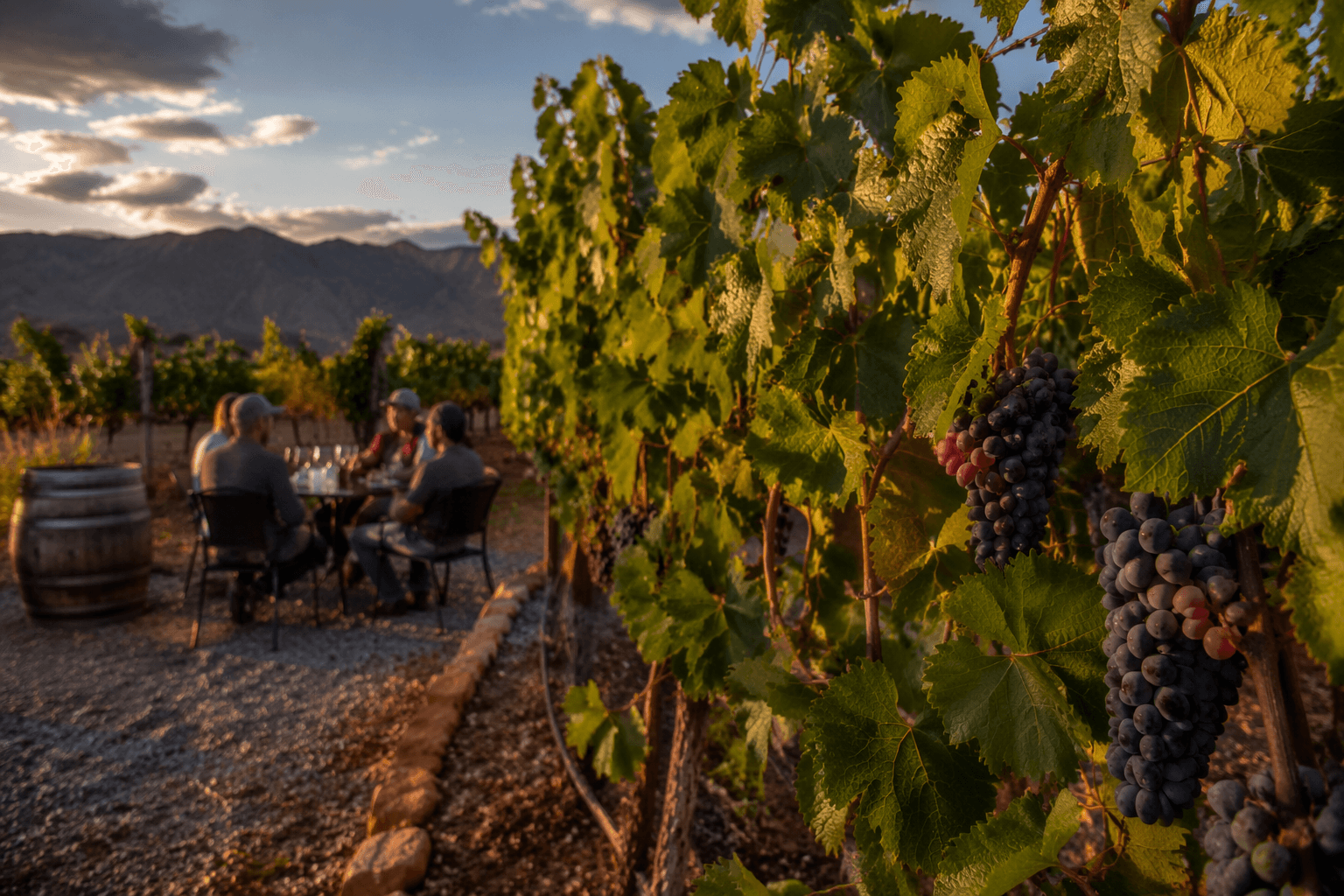
The geography helps the business case. Charleston Peak Winery sits against the Spring Mountains, while Sanders Family Winery describes its own property with views of the Spring Mountains and the Nopah Range. Those landscapes are part of the value proposition for travelers who want a desert outing with scenery, not just a tasting counter.
New licenses show the scene is still expanding
Pahrump’s wine story is still growing, and the newest names matter. Visit Pahrump says new winery licenses were issued to Artesian Cellars, a wine tasting room, and Stonewise, a meadery and taproom. That is important because it shows the market broadening beyond a couple of legacy wineries into a more varied beverage corridor.
Artesian Cellars has especially concrete local roots. Visit Pahrump says Tim Burke and Pam Tyler-Burke bought land in 2014, planted vines in 2015 and studied wine production through VESTA and UC Davis online wine school. Their first harvest weighed under 1,000 pounds, yet still earned a Silver State Medal. That is the kind of start-up path that fits Pahrump’s high-desert profile: small first harvests, technical learning and a product good enough to win recognition.
Sanders Family Winery adds another layer to the visitor experience with free tastings, local art, an amphitheater and broad views of the mountains around the valley. In practical terms, that means the site can hold more than one kind of stop. A tasting can turn into an afternoon, and an afternoon can turn into an event night.
Why Pahrump wine fits the desert economy
University of Nevada, Reno researchers have said Nevada has had more than 25 years of grape-growing research, and that the state’s appeal for wine grapes includes relatively inexpensive land and low water use. Those factors matter in a desert county where water and land use shape nearly every development debate. Wine is not just a lifestyle feature here. It is an agricultural use that can fit the region’s constraints while still supporting tourism.
That context also explains why the industry has kept drawing attention from outside expertise and state support. In 2024, the University of Nevada, Reno Desert Farming Initiative and private vineyard owners received a Nevada Department of Agriculture grant for wine grape research. That kind of research base strengthens the local brand by making the vineyards look less like novelty attractions and more like a credible agricultural sector.
Older Review-Journal coverage once described Pahrump as having two wineries, which at the time made up half of Nevada’s total. That same coverage said local wines were already racking up national awards. Seen against today’s lineup, the trajectory is obvious: Pahrump did not just add a few tasting rooms. It built a small wine economy that now helps define how the valley is seen, how it develops and why travelers stop there instead of driving through.
This article was produced by Prism’s automated news system from verified source data, official records, and press releases, then run through automated quality and moderation checks before publishing. The system is built and supervised by the people who set the standards it runs under. Read our full AI policy.
Did this article answer your question?