Pahrump Workshop Teaches Well, Septic Maintenance to Protect Drinking Water
Thousands of Pahrump homes depend on private wells. RCAC consultants Christian Magno and Jessica Olson showed residents why a 100-foot pesticide-free buffer could be the difference.
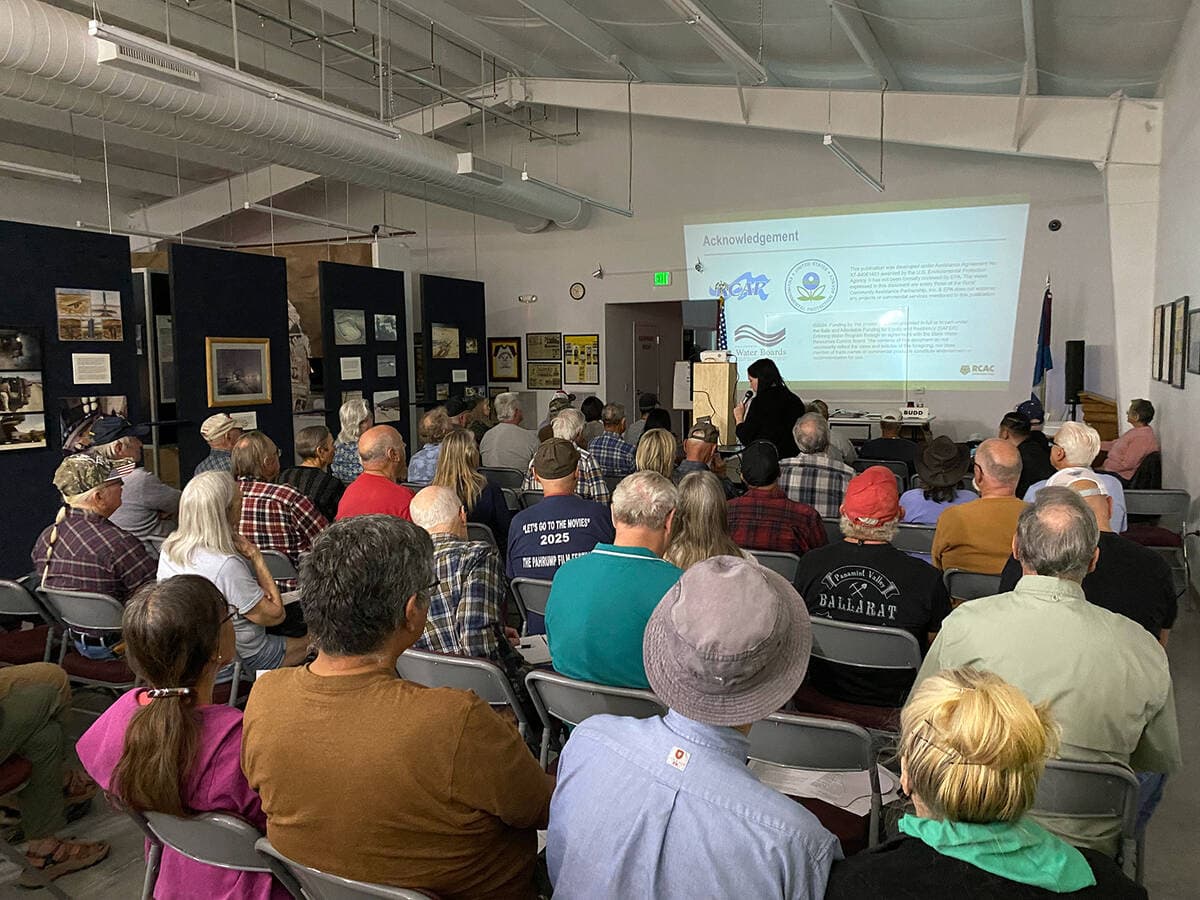
Thousands of Pahrump households draw their drinking water from private wells, yet many of those well owners have never had a formal inspection or know what a nitrate test reveals. That knowledge gap was the driving concern behind "Keep Our Drinking Water Safe," a presentation delivered to the Private Well Owners Association at its March 4 monthly meeting by Rural Community Assistance Corporation consultants Christian Magno and Jessica Olson.
RCAC, a West Sacramento-based nonprofit founded in 1978, provides technical, managerial and financial assistance to rural and indigenous communities across 13 western states. Olson opened the session with a broad overview of the organization before Magno moved into the maintenance specifics that most private well owners in Pahrump rarely encounter from any other source.
The practical guidance covered ground that may surprise homeowners accustomed to thinking of their yard as their own. No pesticides should be applied within 100 feet of a well. Trees and large shrubs must stay at least 20 feet away because root systems can crack well casings or erode the grout that seals a well from surface contamination. Well houses need adequate ventilation to prevent mold and should be kept clean enough to discourage rodent nesting. The area surrounding any well should remain clear at all times to allow service crews unobstructed access for repairs.
Water testing was another focal point. Beyond standard checks, more advanced testing can reveal mineral content that, while not a health hazard, affects the taste and smell of drinking water and can leave staining on fixtures and surfaces throughout the home.
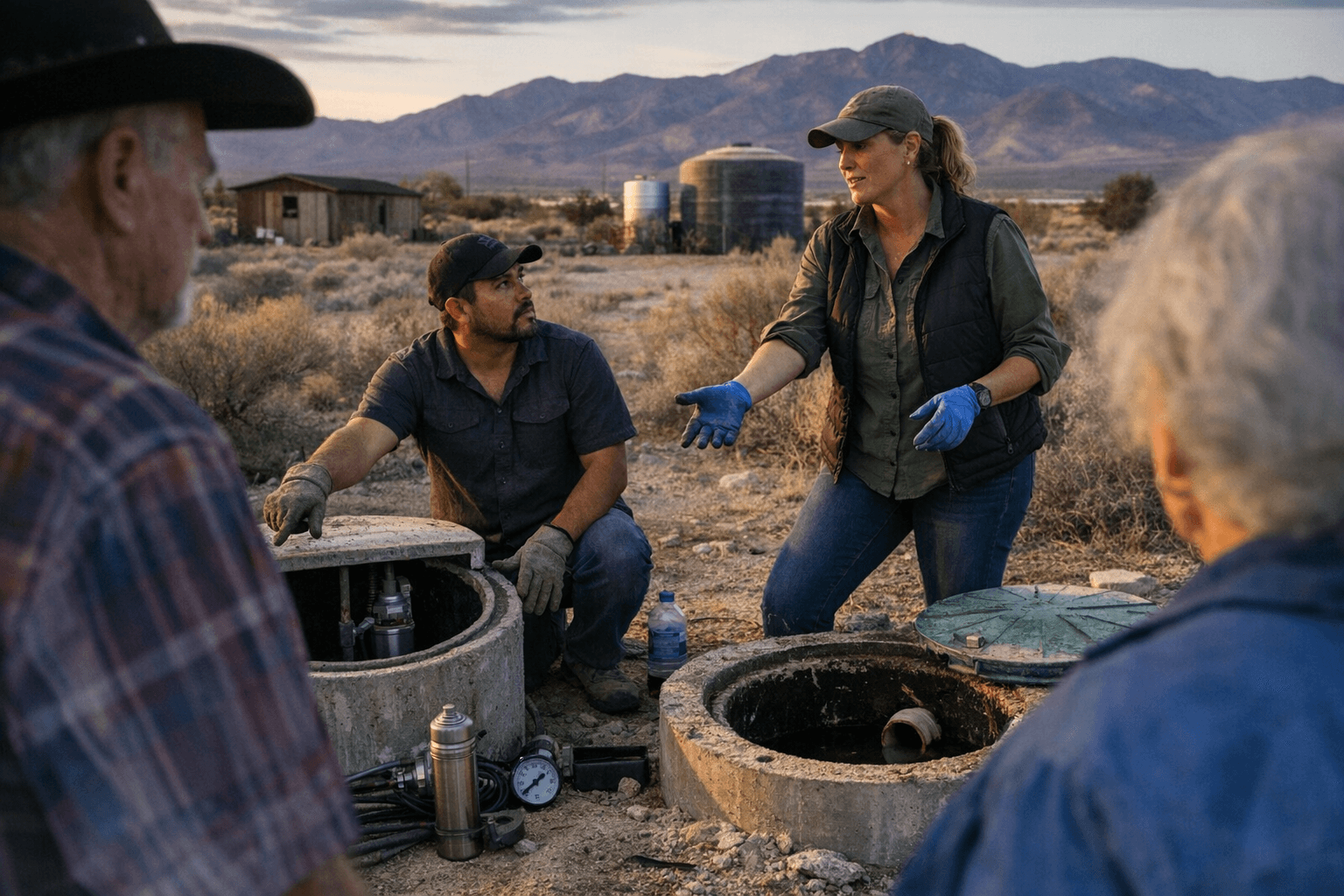
RCAC has been conducting this type of outreach across the rural West since 2016, working through a grant from its national affiliate, the Rural Community Assistance Partnership. In 2017, the organization hosted an assessment workshop in Carson City and sent geologists to conduct 33 individual well assessments throughout Churchill and Nye Counties. At each visit, a geologist inspected the well for structural vulnerabilities and potential contamination sources, confirmed the construction met Nevada state standards, and tested for nitrate contamination. Owners left with a written assessment report and specific repair recommendations, along with instruction on water quality, contamination risks, treatment options and additional resources.
Those assessments also addressed septic systems, since a failing septic system is one of the most direct contamination threats to a nearby domestic well. That septic-to-well connection was woven throughout the March 4 presentation as well.
RCAC continues to offer free well assessments, water quality testing and education for well owners. The organization can be reached at its corporate office at 3120 Freeboard Dr., Suite 201, West Sacramento, CA 95691, or by phone at (916) 447-2854. The Private Well Owners Association, which focuses on education and advocacy for the many Pahrump area residents who rely on domestic wells, holds regular monthly meetings where similar programming is featured.
This article was produced by Prism’s automated news system from verified source data, official records, and press releases, then run through automated quality and moderation checks before publishing. The system is built and supervised by the people who set the standards it runs under. Read our full AI policy.
Did this article answer your question?