Tecopa author ties Nye County museums to Virginia City murder mystery
Tecopa writer Robin Flinchum links Nye County museums to a Virginia City mystery, using a murder case to recover women’s stories Nevada once pushed aside.
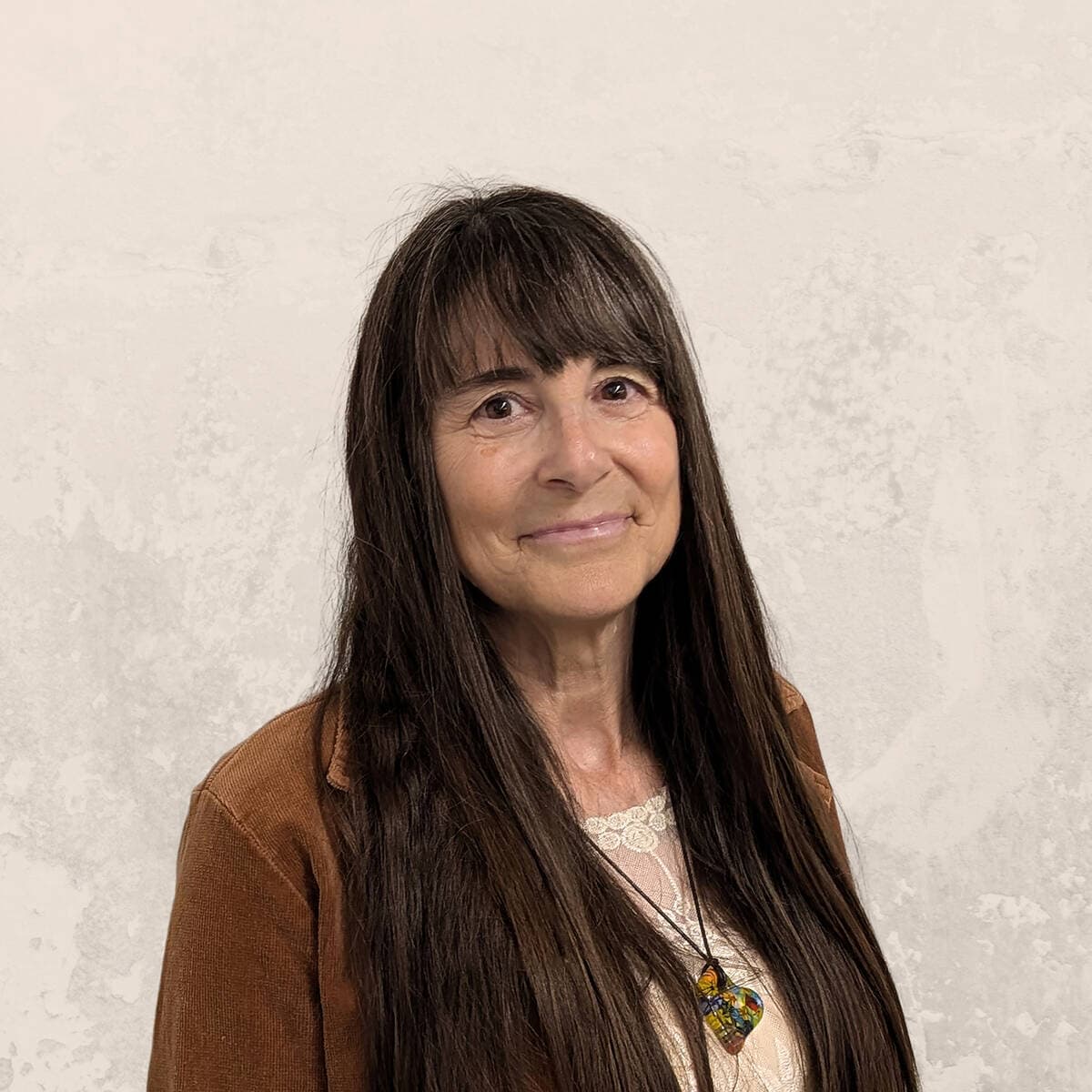
A Tecopa writer follows a desert trail into Virginia City
Robin Flinchum’s newest book reaches far north in Nevada history, but its local pulse runs through Tecopa, Shoshone and Pahrump. Her latest release, *The Redemption of Julia Bulette: Murder, Myth and the Hunt for a Serial Killer in Early Virginia City*, is available online and at the Pahrump Valley and Shoshone museums, giving Nye County readers a direct path into a story that begins in a Comstock boomtown and circles back to the desert West.
That connection matters because Flinchum has built her work around the people history often leaves at the edge of the frame. Living in Tecopa, she has spent much of her writing life on Death Valley history, especially women whose lives were unconventional, hard-lived and often ignored in official accounts. Her earlier book, *Red Light Women of Death Valley*, helped shape the new project by showing how frontier sex workers were also builders of community, not just side notes in a salacious past.
From Martha Camp to Julia Bulette
Flinchum’s path to Julia Bulette came through another woman’s story. While researching Martha Camp in Panamint City in the 1870s, she found a connection that pulled her into the Bulette case and into a larger question: was the man accused of the crime actually guilty? That line of inquiry gives the book its force. It is not simply a retelling of an old murder, but a challenge to the way legend can harden into accepted history.
Bulette’s name has long been wrapped in myth. A Nevada State Library and Archives source notes that later claims about her life often outpaced documentation, which is part of why she has remained both famous and elusive in the state’s memory. Flinchum’s work pushes against that blur by treating Bulette as a real person shaped by the world around her, not just a frontier symbol.
Ronald M. James has praised Flinchum for rescuing Bulette from frontier mythology and restoring her complexity. That approach gives the book relevance beyond true-crime curiosity. It asks readers to reconsider how many women’s stories in Nevada were flattened, embellished or simply left out of the record.
Why the murder still lands hard
The case itself still has all the force of a grim local warning. Virginia City rose from the Comstock Lode silver strike of 1859, and by the 1860s it was a hard-edged mining boomtown where vice and violence were hardly unusual. Even so, Bulette’s murder shocked the town. Travel Nevada’s historical account says she was found in bed, strangled while she slept, and that police took nearly four months to capture a viable suspect.
The accused man was John Millain. Amazon’s listing for the book says the murder happened on one chill January night in 1867 and frames the central question as whether Millain may have left a trail of other killings from San Francisco’s Tenderloin neighborhood to Virginia City. That broader possibility gives the book more weight than a single case file. It suggests a regional pattern of violence moving through mining camps, red-light districts and rapidly growing frontier towns.
Travel Nevada adds another unsettling thread. Virginia City police had been consulted in 1863 and 1864 about unsolved murders of two prostitutes in San Francisco. Those earlier victims were independent women who worked alone and were killed in a similar manner, which is one reason the Bulette case still invites scrutiny. The old murder stops looking isolated and starts looking connected to a wider, unresolved history of vulnerability, mobility and policing in the West.
Millain was hanged in Virginia City on April 24, 1868. Yet the execution did not settle the mystery. More than 150 years later, the question of his guilt remains unresolved in historical summaries and crime-reference accounts, which is exactly the kind of uncertainty Flinchum has turned into narrative ground.
A local launch with regional reach
The book’s release has a clear Nye County footprint. The History Press lists the publication date as April 14, 2026, and the Shoshone Museum scheduled a public launch for April 18 at 1 p.m. The Lone Pine Chamber of Commerce promoted the same launch party, book talk and signing at the Shoshone Museum, underscoring how closely the event is tied to the desert communities that have long supported Flinchum’s work.
That local placement is not incidental. The Shoshone Museum has become a visible stop for talks and in-person history events, and the Pahrump Valley Times has repeatedly followed Flinchum’s projects, including her earlier Death Valley work. The result is a small but active regional network where museums, chambers of commerce and local readers keep desert history in circulation instead of letting it fade into archive boxes.
For Nye County audiences, that matters because the book is not just about Virginia City. It reflects the same historical terrain that shapes Tecopa, Shoshone, Pahrump and Death Valley: mining towns, migration, sex work, violence, rumor and survival. Flinchum’s interest in pioneer women who lived outside respectable norms gives the story a local resonance that reaches beyond the Comstock.
Why this story belongs in Nye County now
The appeal of *The Redemption of Julia Bulette* is not only that it revisits a famous murder. It is that Flinchum uses the case to recover women whose lives were reduced to stereotype or left out entirely. That mission connects directly to the desert history readers know from Death Valley, Panamint City and the communities along the Nye County edge.
It also speaks to the way museums and local history institutions shape public memory. When the Pahrump Valley and Shoshone museums stock the book, and when a launch at the Shoshone Museum draws attention from surrounding communities, the story becomes part of a broader civic effort to preserve what the mainstream record missed. In that sense, the book is both a new read and a reminder that the desert West still holds histories waiting to be told with more care, more skepticism and more respect for the women who lived them.
This article was produced by Prism’s automated news system from verified source data, official records, and press releases, then run through automated quality and moderation checks before publishing. The system is built and supervised by the people who set the standards it runs under. Read our full AI policy.
Did this article answer your question?