Tonopah Area Smashes Daily Heat Records, Temperatures Soar 20 Degrees Above Average
Tonopah smashed its daily heat record Sunday with temps running 20 degrees above average, as NWS warns a near-absent snowpack and early vegetation green-up are raising the risk of an early wildfire season.
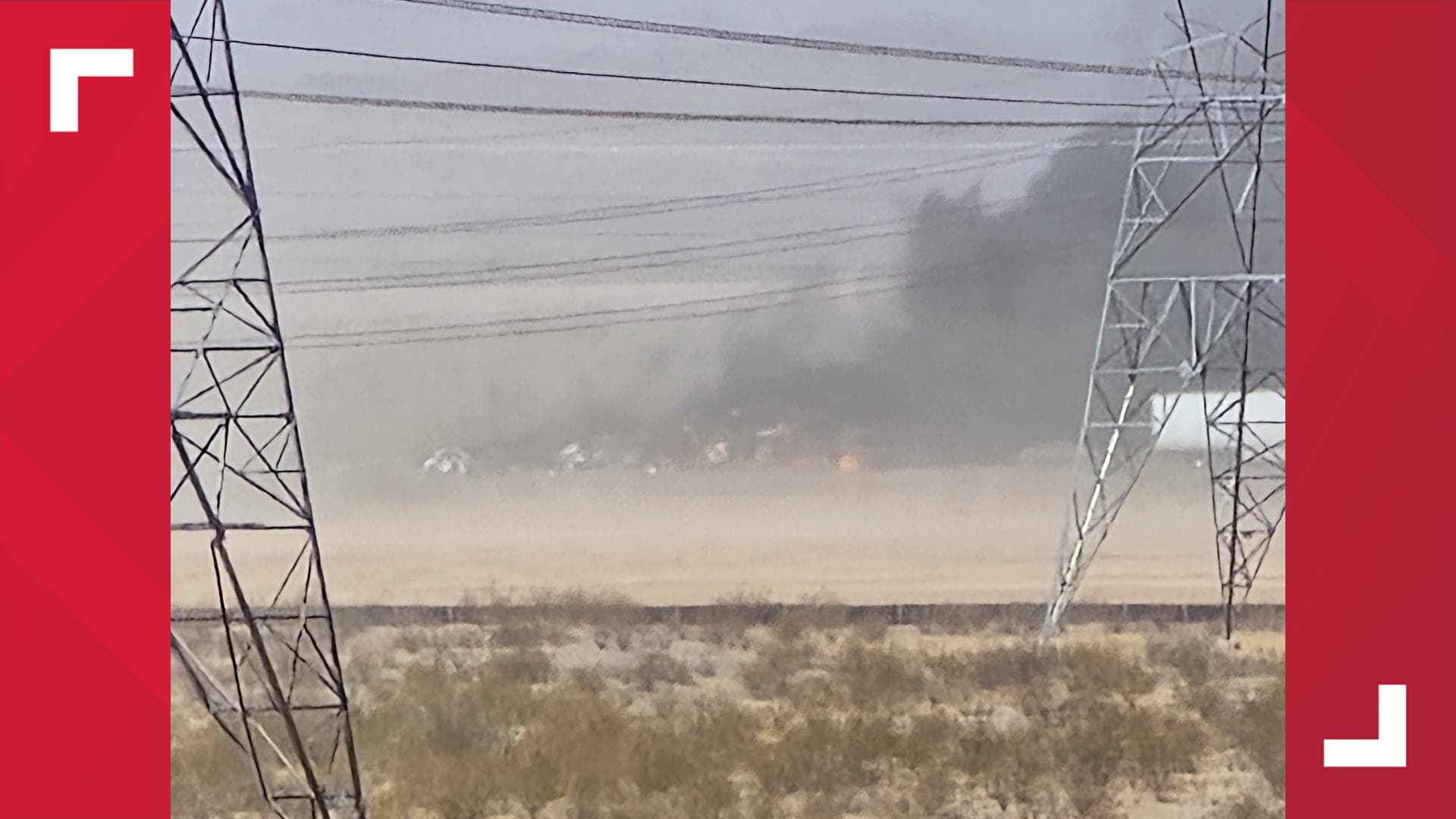
Temperatures across the Tonopah area shattered daily records Sunday, running as much as 20 degrees above the seasonal norm for late March and extending a heat streak that the National Weather Service describes as historically unusual even by Nevada standards.
NWS Elko confirmed Tonopah, along with Ely and Eureka, set new daily high temperature records, while stations in Elko and Winnemucca tied their previous marks. With Tonopah's average late-March high sitting near 59 degrees, a 20-degree departure pushes afternoon readings well into the upper 70s for a calendar date that has rarely felt anything close to summer.
"This stretch of daily high temperature records across Nevada is unprecedented," said Dan Berc, a Warning Coordination Meteorologist at NWS Las Vegas. "These hot temperatures coupled with low snowpack raise concerns for an early wildfire season across the area."
That snowpack concern is acute for central Nevada. NWS Elko has pointed to a near-absent snowpack as a compounding factor in an already historically dry season. Weeks of record warmth ahead of Sunday's readings also drove an early green-up across the region, pushing grasses and brush into accelerated growth far earlier than normal. That vegetation, now drying rapidly under the heat surge, adds to the fire fuel load across the rugged landscape surrounding Tonopah. Elko, further north on the NWS regional network, is on pace for its warmest March since records began there in 1890, providing regional context for how far outside historical norms the current pattern extends.
For outdoor workers in Nye County, including personnel at mining operations near Round Mountain and highway crews working along U.S. 95, late-March temperatures in the upper 70s introduce heat illness risks that typically don't arrive until late spring. Workers should increase water intake well beyond normal amounts and schedule the most physically demanding tasks before peak afternoon heat. Supervisors should review heat illness protocols and ensure shade and hydration stations are accessible on-site.
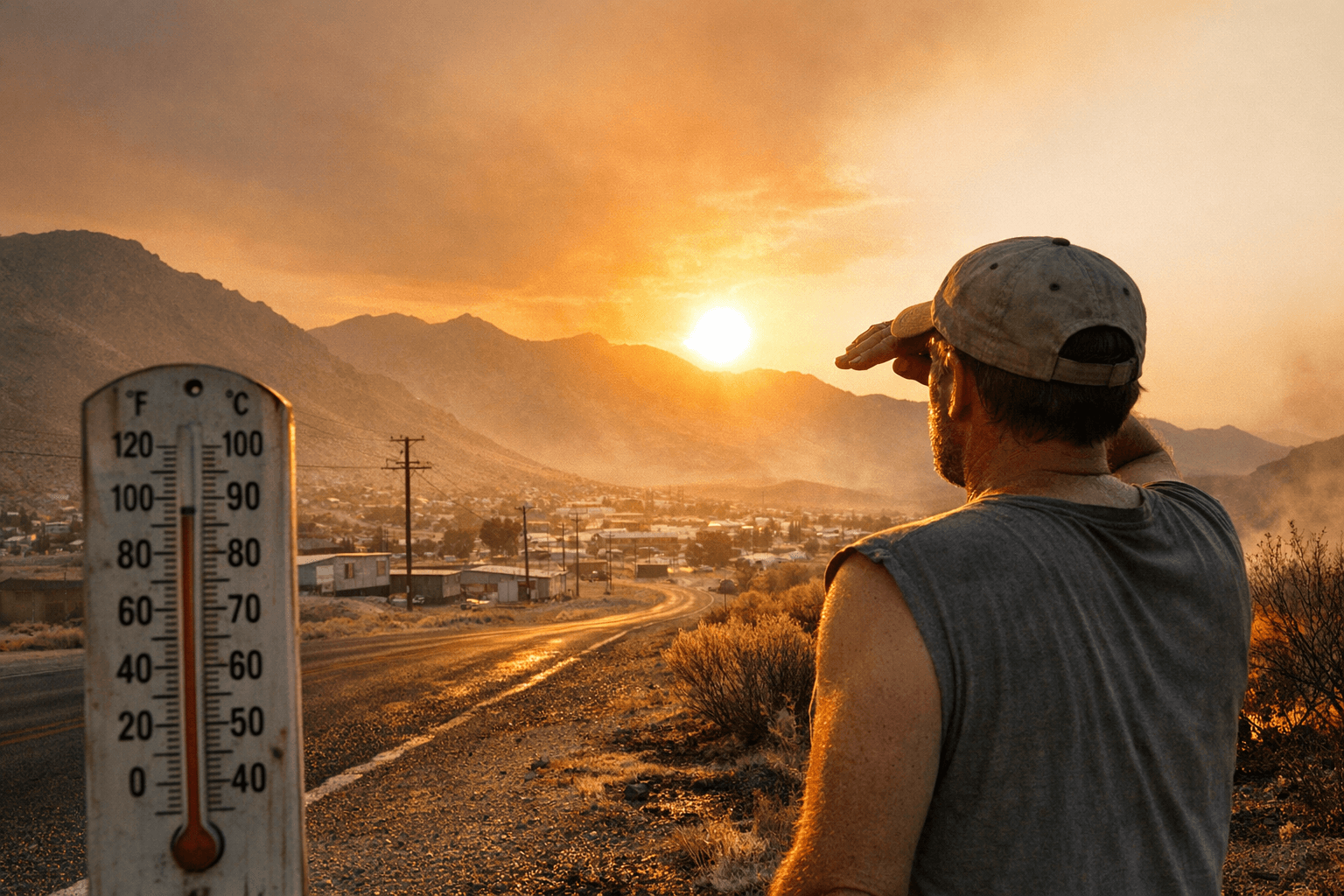
Seniors, particularly those in older Tonopah homes without air conditioning, face elevated risk during sustained warm periods even when readings stay far below triple digits. Nye County senior services can connect residents with cooling resources; those checking on elderly neighbors or relatives should confirm adequate ventilation and water access before temperatures peak each afternoon.
Any outdoor burning across Nye County should be put on hold until residents confirm current restrictions with the BLM Battle Mountain District or local fire departments. Dry conditions, below-normal relative humidity, and the wind potential that accompanies heat events in the high desert can rapidly escalate a small fire in the terrain surrounding Tonopah.
NWS forecasters expect the heat wave affecting the West and Southwest to continue intensifying through the coming week, raising the likelihood that additional daily records will fall before any meaningful cooling returns to central Nevada.
This article was produced by Prism’s automated news system from verified source data, official records, and press releases, then run through automated quality and moderation checks before publishing. The system is built and supervised by the people who set the standards it runs under. Read our full AI policy.
Did this article answer your question?