Auditor says Syracuse animal shelter system falls short of state standards
Syracuse is still relying on patchwork contracts for stray dogs, even as the number seized by police climbed to 232 last year and state shelter rules tightened.
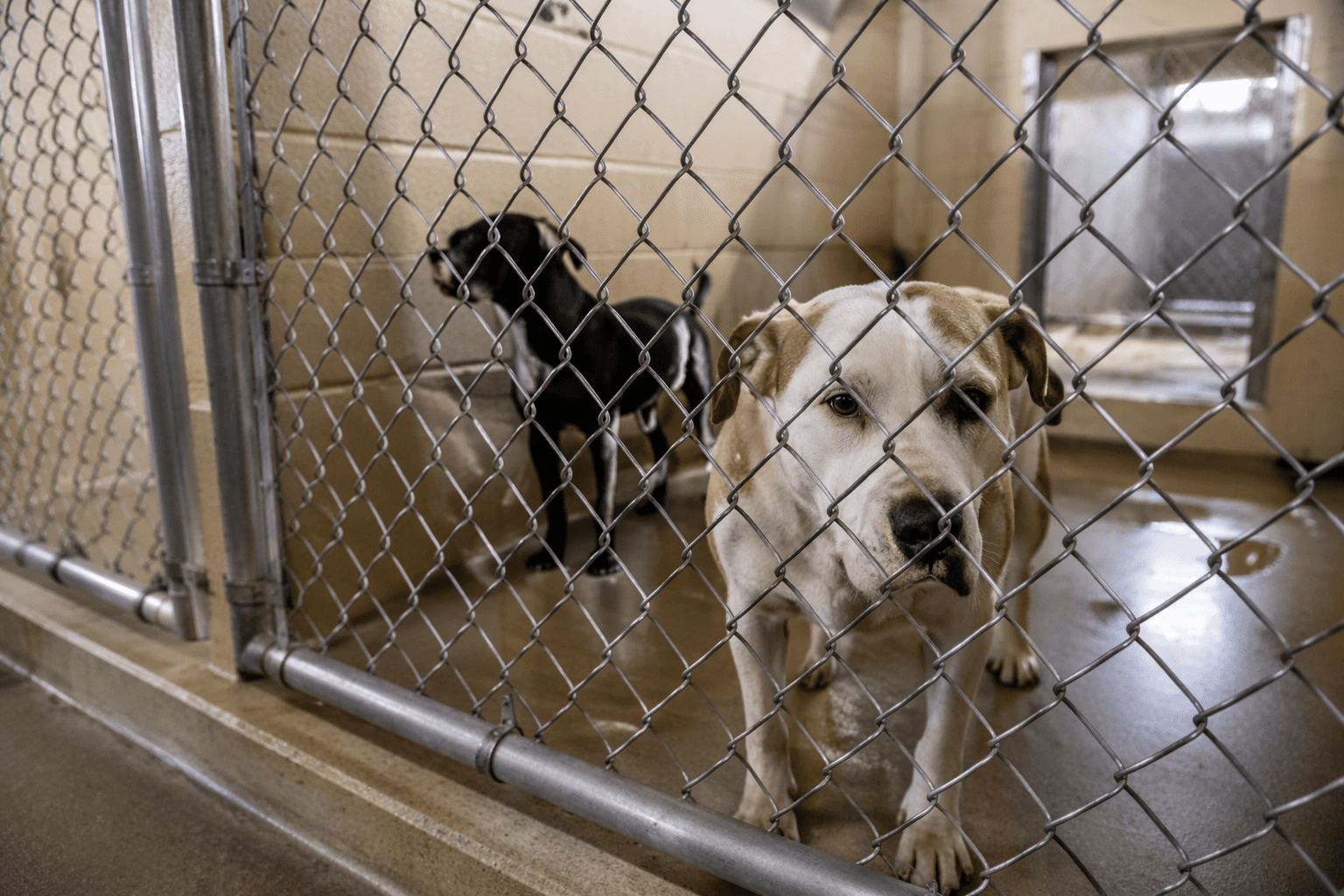
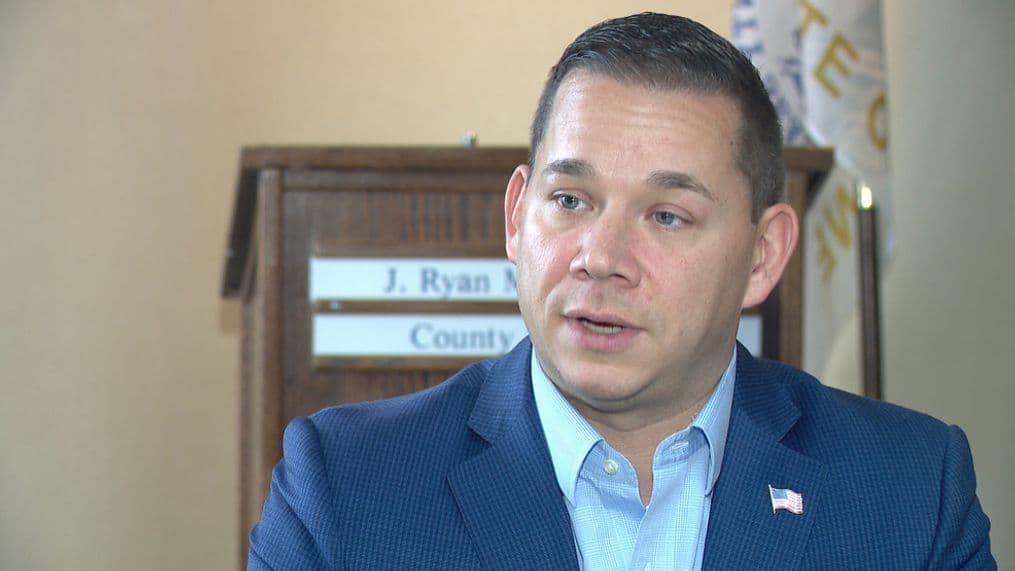
Syracuse’s animal-control system is straining under more strays, fewer backup options and a shelter setup that still does not line up with state standards. City Auditor Alexander Marion has pressed for changes, saying the city’s current arrangement is not working like a true municipal shelter system.
The gap matters because it decides where stray, injured, impounded and owner-surrendered animals go when city officers pick them up. Syracuse has long depended on private shelters to house dogs instead of operating a fully municipal shelter of its own, and the city’s long-discussed shelter project was still unresolved in April 2025, when lawmakers were already questioning the plan.
State rules put real obligations on the city. New York’s Agriculture and Markets Department says municipalities must appoint one or more dog control officers, and those officers are responsible for humane handling, transport and recordkeeping for seized dogs. The department also says cities may contract with an SPCA, humane society or similar animal protective association for dog-control services, but those agreements must be in writing. The department oversees humane care standards for seized dogs and inspects municipal shelters, while the state’s Article 26-C Shelter Rescue License standards took effect Dec. 15, 2025.
That raised the stakes for Syracuse just as its fallback options became unstable. In early 2026, the city was scrambling for a new place to put stray animals after B&R Bunkhouse planned to end its contract. Syracuse later renewed that contract only after facing the prospect of having no place for stray dogs. The city’s own numbers show why the pressure is so intense: dog control officers seized 179 stray unlicensed dogs in 2024, then 232 in 2025.
The city has tried to sketch out alternatives. Syracuse Parks and Recreation had been in early planning for a shelter with 40 to 80 kennels, and Joe Torrillo submitted a proposal in November 2024 for Syracuse Recreation and Rescue, a privately owned nonprofit shelter that would contract with the city. But none of those ideas has yet produced a durable system that can absorb intake without last-minute scrambling.
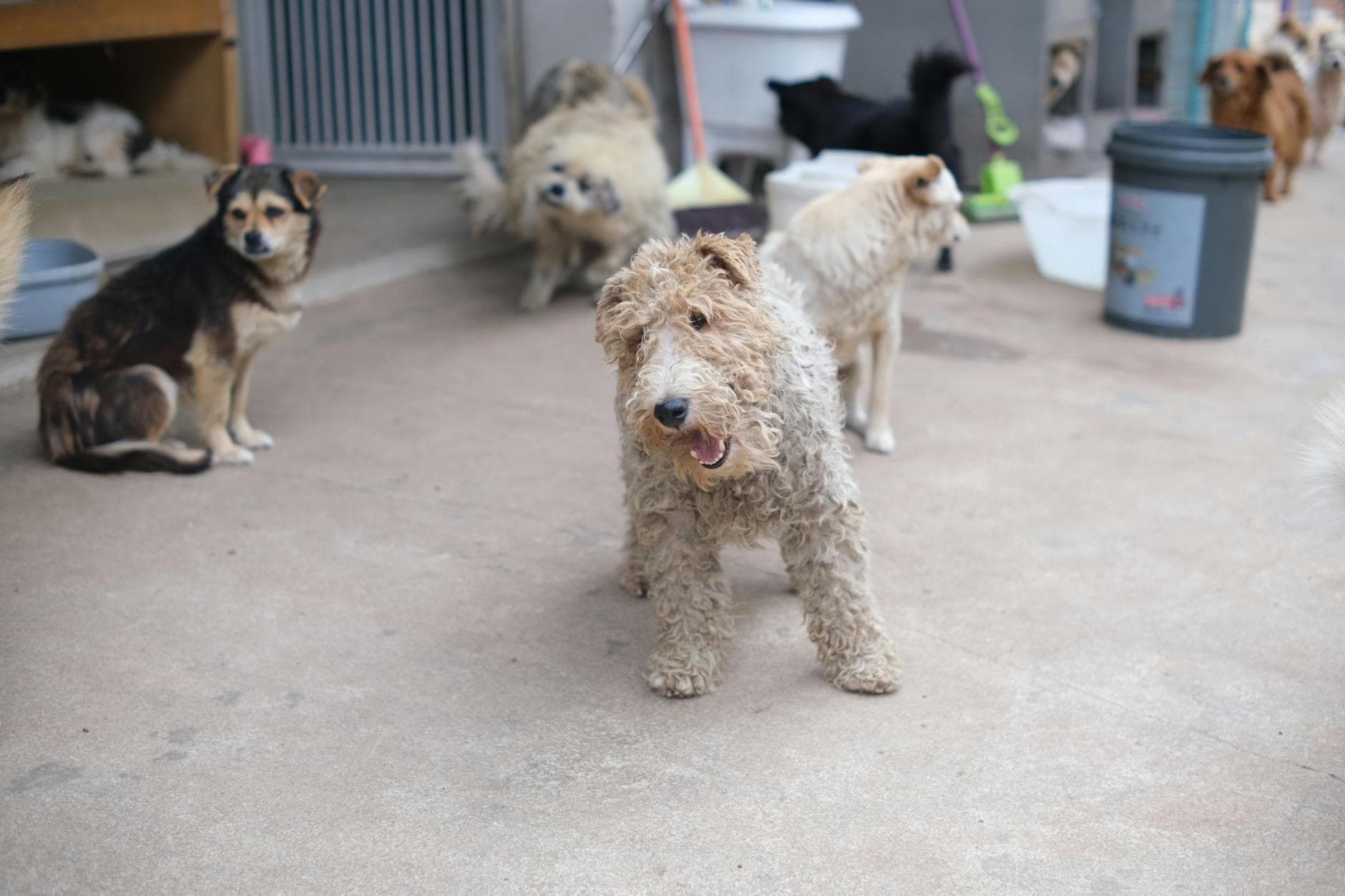
The strain has also rippled through the local shelter network. The Central New York SPCA, a major partner in the region, faced staff protests, board resignations and state-regulator attention in early 2026, underscoring how fragile the animal-welfare infrastructure has become. For Syracuse, the problem is no longer just kennel space. It is whether the city can build a system stable enough to protect animals, keep neighborhoods from absorbing the overflow and stop taxpayers from footing the bill for repeated emergency fixes.
Know something we missed? Have a correction or additional information?
Submit a Tip