Central New York woman backs CREEP Act after stalking case collapses
Melissa Patnella says a stalking case in Syracuse exposed a hole in New York law, and she is backing a bill to close it.
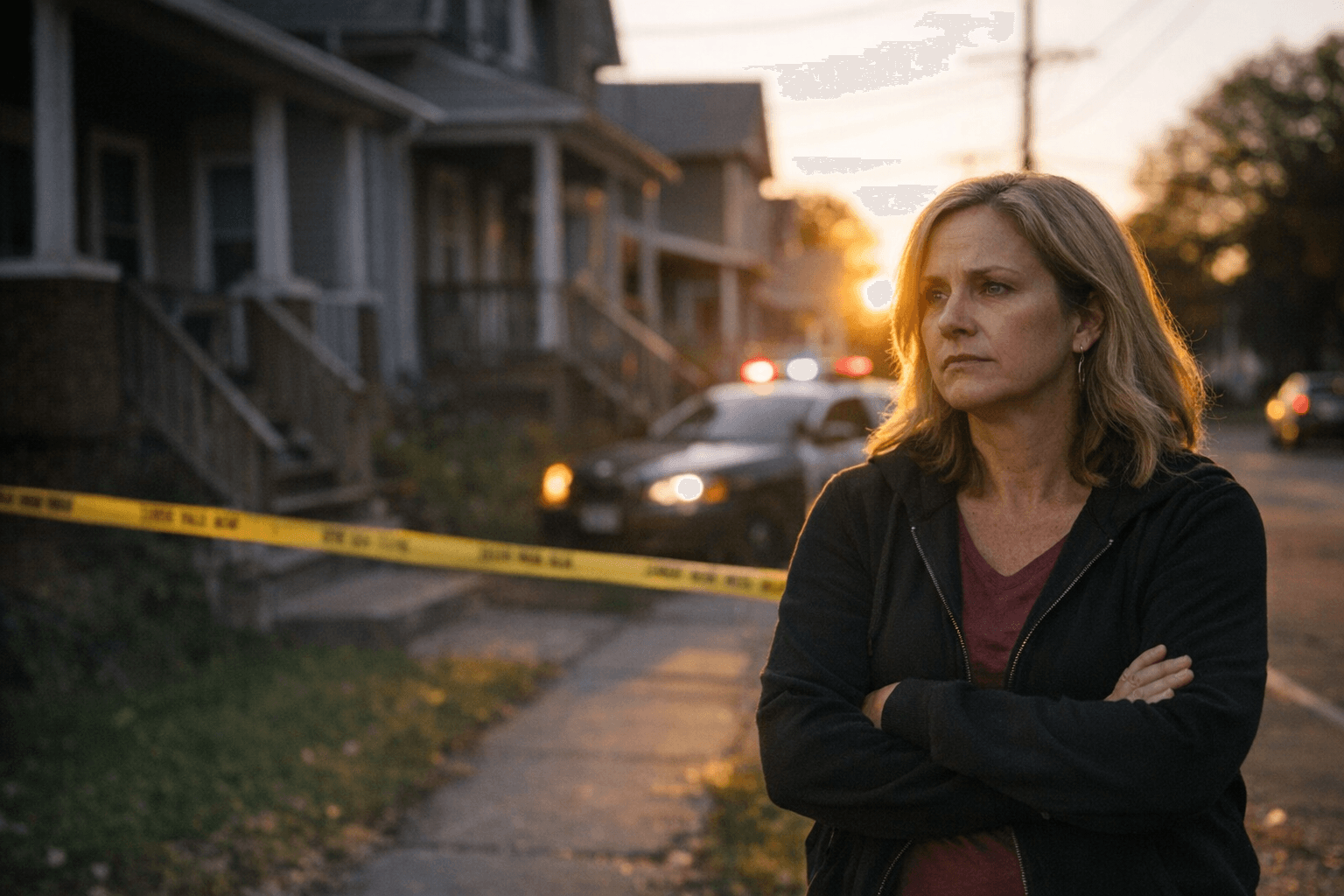
A Central New York woman says New York left her exposed when a stalking case collapsed, and she is now pressing lawmakers to give victims a civil order of protection even when criminal charges stall.
Melissa Patnella, a physical therapist, runner and volunteer on service trips in Ghana, said the ordeal began after she met a man through work in 2022. What followed, she said, were hundreds of messages, online contact attempts and other unwanted attention, along with false reports to her professional licensing board and the FBI. Patnella also said a family member showed up at her workplace, turning a private threat into a public fear she carried for years.
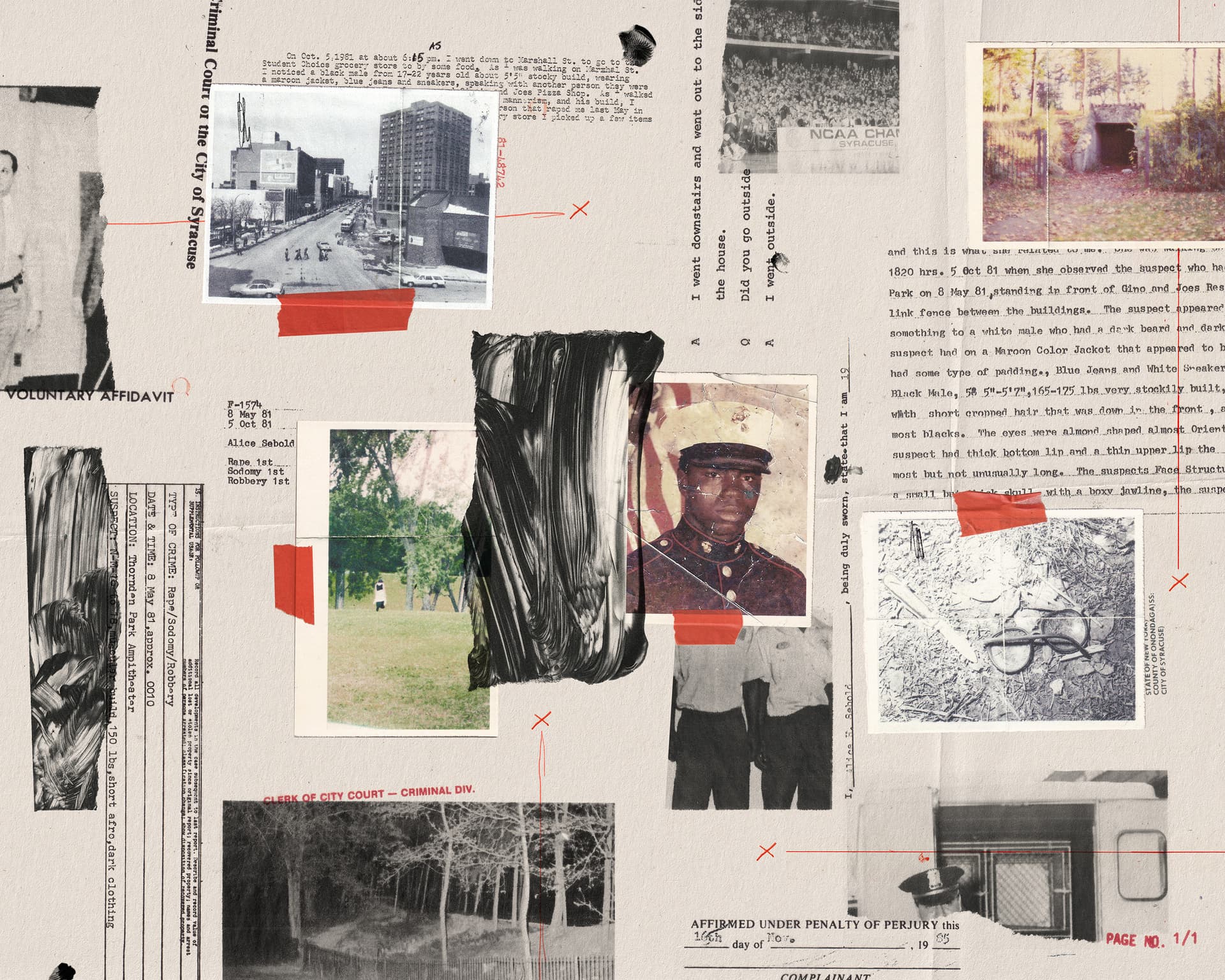
The case moved into the criminal system with an arrest in November 2023 on harassment and stalking charges, and Patnella was granted a temporary order of protection. But the process dragged on through competency evaluations, mental-health reviews and repeated delays. A second evaluation later found the accused person unfit to stand trial, and the case was dismissed. With that dismissal, the temporary order of protection was dropped, too.
Patnella says that is the gap in New York law she wants lawmakers to fix. She is backing the CREEP Act, short for the Ceasing Repeated and Extremely Egregious Predatory Behavior Act, which would create a new anti-stalking order of protection in civil court. The proposal would let victims seek relief without waiting for criminal charges and without needing a family or intimate relationship with the stalker.

That distinction matters in New York. Family Court order-of-protection cases generally require a family or intimate relationship, and temporary orders are typically issued only when a petition is filed and the court finds good cause. Final orders under Family Court Act §842 can last up to two years, or up to five years in cases involving aggravating circumstances or certain violations. For victims targeted by a coworker, acquaintance or stranger, the current system can leave fewer immediate civil options.
Supporters of the bill say New York is behind 43 other states that already allow similar anti-stalking orders. They have also framed the measure as a response to newer forms of abuse, including cyberstalking, revenge porn, doxxing and deepfakes. The bill was introduced in the 2025-2026 legislative session as Senate bill S3394 and Assembly bill A3226, sponsored by Sen. Andrew Gounardes and Assembly Member Jessica González-Rojas.
Lawmakers and advocates pushed the proposal at a May 6, 2025 event at the State Capitol. For Patnella, the issue is no abstraction. It is the difference between a system that can move slowly through criminal court and one that gives a victim a direct path to protection when the danger does not wait.
This article was produced by Prism’s automated news system from verified source data, official records, and press releases, then run through automated quality and moderation checks before publishing. The system is built and supervised by the people who set the standards it runs under. Read our full AI policy.
Did this article answer your question?