Eastwood neighbors hold funeral farewell for century-old oak slated for removal
Eastwood neighbors will gather in funeral style for a 105-year-old red oak, a rare city tree that helped shape a block now losing it to a new sidewalk.
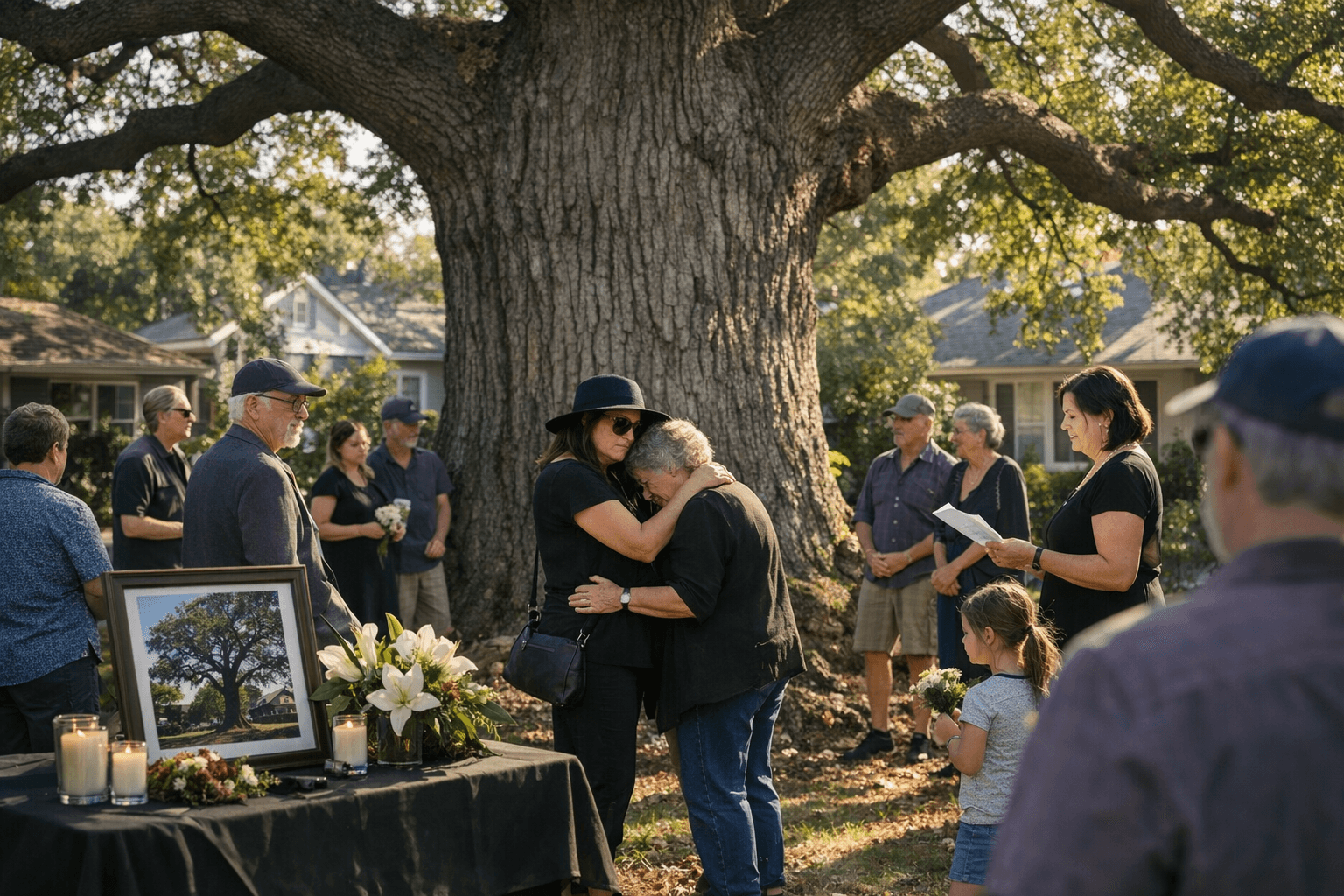
A 105-year-old red oak in Eastwood is headed for removal, and neighbors plan to mark its final days with a funeral-style celebration of life on April 26 from noon to 3 p.m. before the tree comes down to make room for a new sidewalk.
The tree stands out well beyond one Syracuse block. A Cornell Cooperative Extension forester said it is extremely rare to see a red oak over 100 years old in an urban setting, and uncommon anywhere in Onondaga County. For years, the oak has done the quiet work mature street trees do best: shading pedestrians, helping hold stormwater runoff in check, and adding oxygen and habitat benefits that will disappear when it is gone.
For Eastwood residents, the loss is also personal. The oak was planted by the parents of Elaine Smith in honor of her birth, giving it a family history that stretched across generations of the neighborhood. That history helps explain why neighbors are treating the removal less like routine tree work and more like the end of a landmark that has been woven into the block’s identity.
City officials say the tree is starting to degrade and has outgrown the space where it can remain healthy. The Syracuse Forestry Division says street trees are planted in the city-owned public right-of-way, typically between the curb and sidewalk, and that new plantings receive establishment watering and care during the first year. The city also says structural pruning and lifelong maintenance are guaranteed for all street trees, part of the municipal system meant to keep canopy cover alive while infrastructure changes reshape the streetscape.
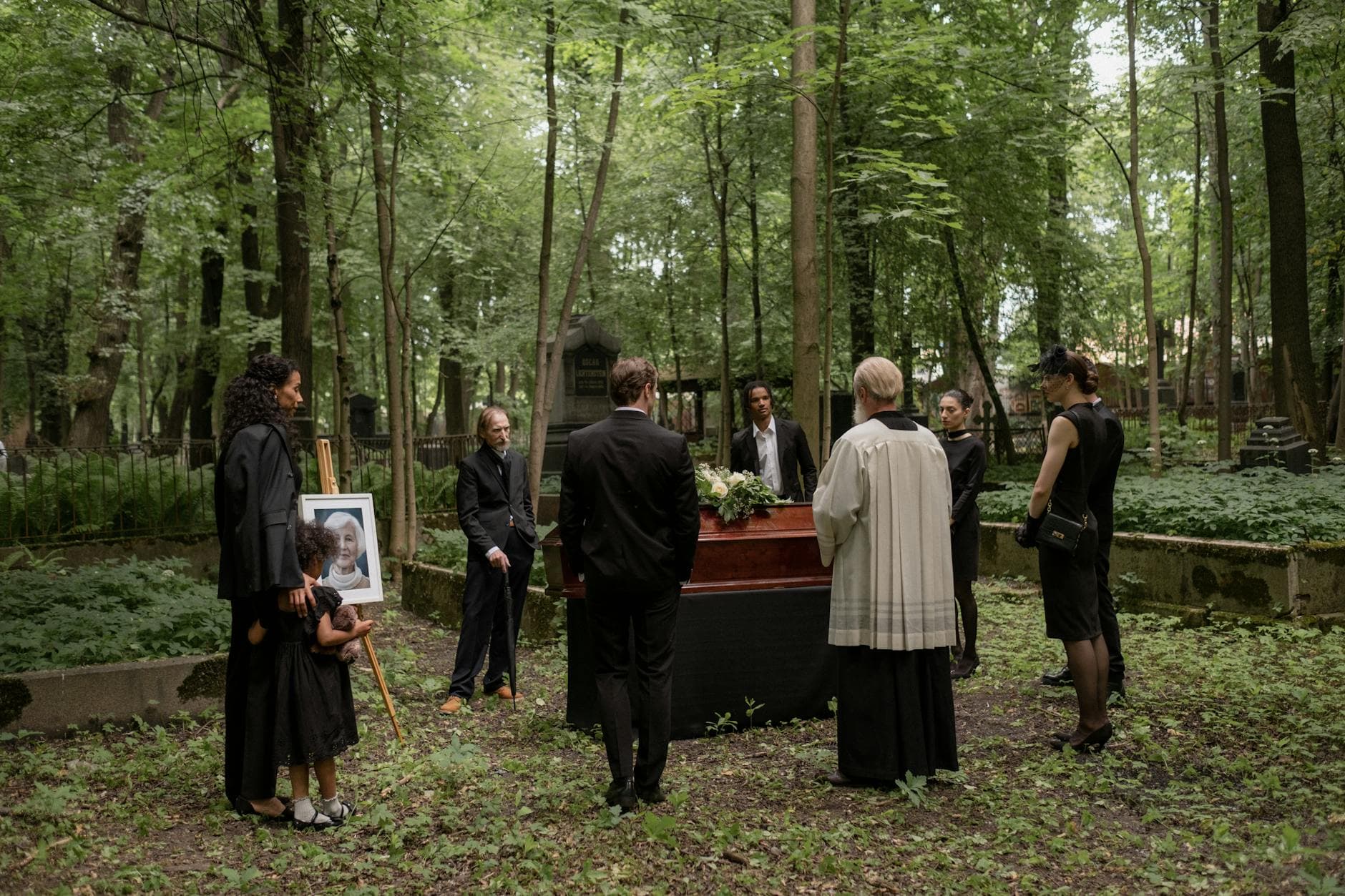
That balance is what makes the Eastwood oak’s removal so resonant. Syracuse still needs safer sidewalks and clearances above roads and walkways, and the city’s Tree Services program handles pruning, trimming and removal requests tied to that work. But when a mature oak has spent more than a century cooling a street and marking a neighborhood’s memory, the tradeoff lands differently on the people who live there.
Cornell has documented oak wilt as a serious fungal disease affecting oaks in several New York locations, a reminder that even long-lived trees face biological threats as well as construction pressures. Cornell’s community forestry guidance also stresses inventories and management planning as core parts of municipal tree care, underscoring a harder truth Eastwood is now living through: replacing old infrastructure can mean losing irreplaceable canopy, and neighborhoods feel that loss long after the sawdust is gone.
This article was produced by Prism’s automated news system from verified source data, official records, and press releases, then run through automated quality and moderation checks before publishing. The system is built and supervised by the people who set the standards it runs under. Read our full AI policy.
Did this article answer your question?