Final Onondaga County housing, transportation hearing set in Fayetteville
The last county hearing on housing and transportation lands in Fayetteville, where officials want renters, homeowners and young people to shape recommendations before plans are set.
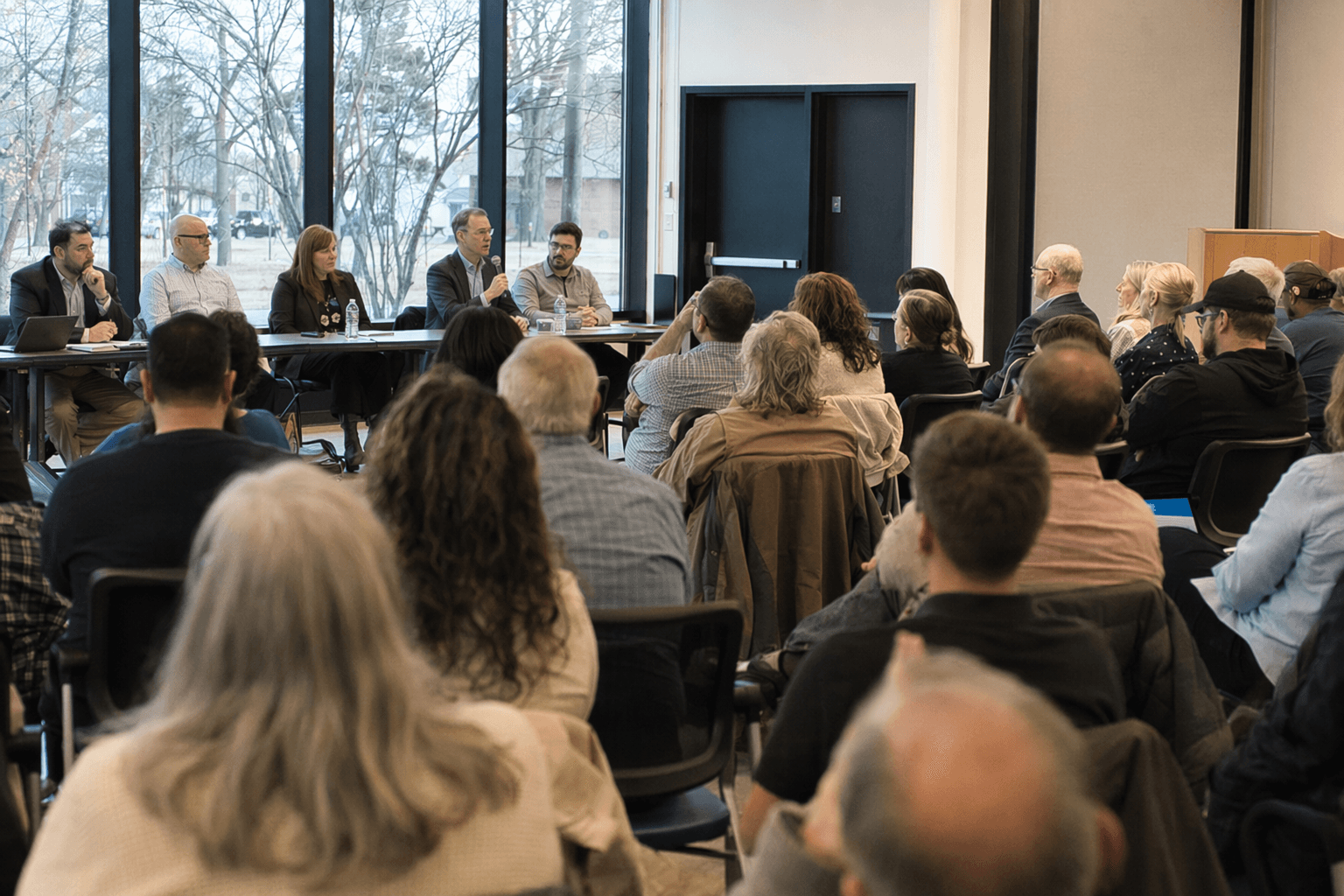
Fayetteville will host the final Onondaga County hearing on housing and transportation, giving residents one last chance to press officials on where new homes should go, how people will get to work and whether county policy can keep pace with growth tied to Micron.
The session at the Fayetteville Free Library capped a six-stop engagement series organized by the Legislature’s Democratic majority and the county’s new Housing and Transportation Citizens Advisory Board. County leaders framed the meetings as more than an open forum. The board, created in a March 3 resolution, is expected to turn public input into recommendations for the Planning and Economic Development Committee, which could help steer future county decisions on affordability, development patterns and mobility.
That makes the Fayetteville stop especially important. The county already held sessions in Syracuse, North Syracuse, Marcellus, Baldwinsville and LaFayette, part of an effort to hear from the north, south, east and west sides of the county as well as the city. Officials have said they want renters, homeowners, business owners and young people in the room because housing and transportation are intertwined in Onondaga County, where the ability to live near jobs, schools, medical care and stores often depends on cost and access to transit or reliable roads.
The county’s warnings have been stark. At its March 31 Municipal Housing Summit at Onondaga Community College, officials cited housing shortages, overcrowding, rising home prices, limited rental options and deteriorating housing conditions. They said some buyers who had already been pre-approved for $350,000 mortgages still could not find a home. County minutes said the summit used breakout groups and solution prototyping, signaling that officials want practical ideas, not just complaints.
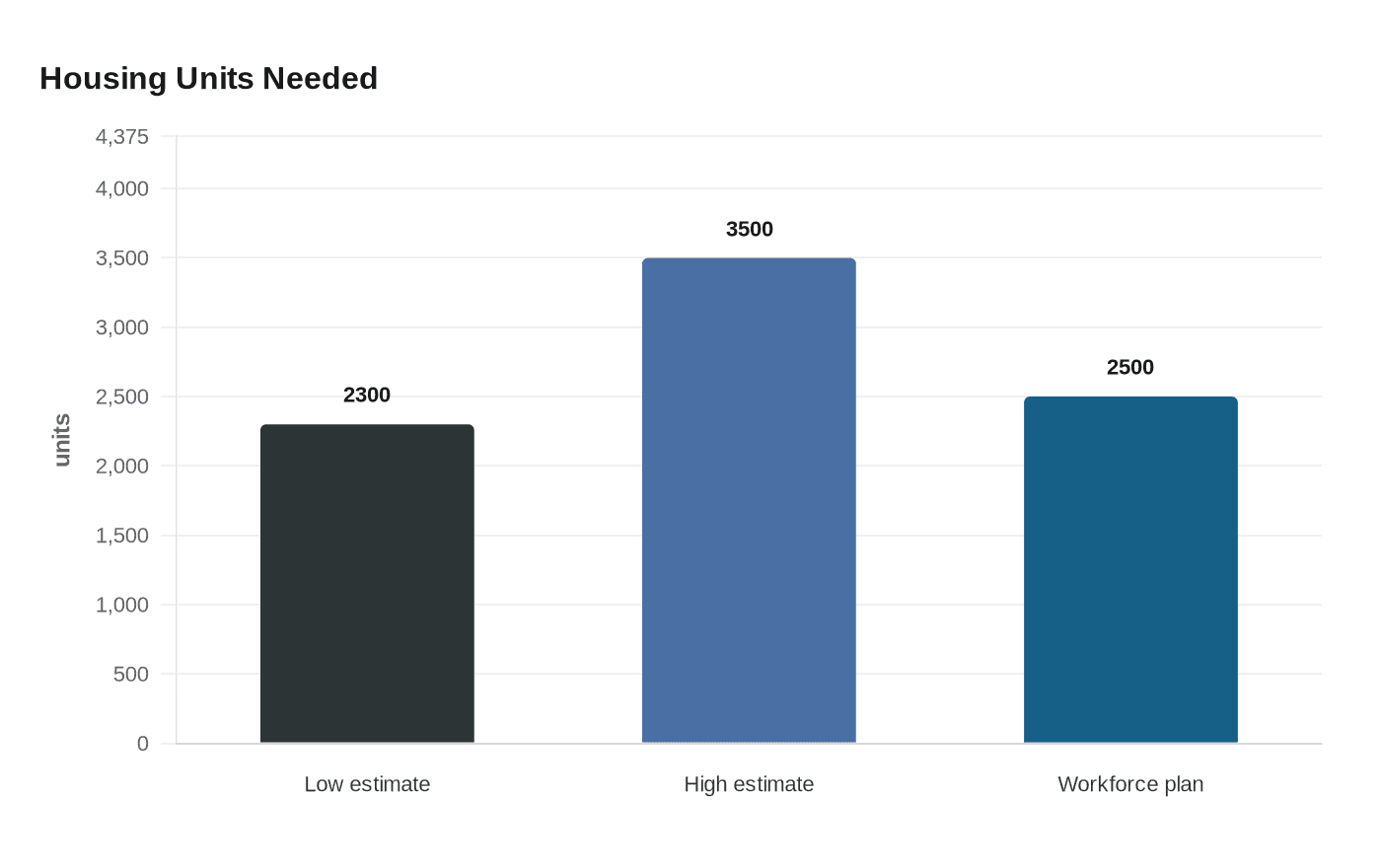
The county also put numbers behind the pressure. Officials projected a need for roughly 2,300 to 3,500 new housing units per year across the six-county region for the next decade, much of it linked to Micron and the semiconductor industry. New York added to that push in February with a $150 million Housing Central New York Fund aimed at supporting at least 2,500 workforce housing units over seven years. Onondaga County’s own 2024 planning work said the region’s problems also include long-term demographic change, suburban sprawl and unmet rental demand.
County Legislature Chairwoman Nicole Watts later named Darrell Buckingham as co-chair of the advisory board, which remains in its early organizing phase after applications were due April 1. For Onondaga County, the Fayetteville meeting was not a routine listening tour. It was one of the last chances to shape county priorities before the board finalizes recommendations and the region locks in plans for housing and transportation under the pressure of coming growth.
This article was produced by Prism’s automated news system from verified source data, official records, and press releases, then run through automated quality and moderation checks before publishing. The system is built and supervised by the people who set the standards it runs under. Read our full AI policy.
Did this article answer your question?