Hochul enlists Syracuse mayor to back SEQRA changes for housing growth
Sharon Owens is backing SEQRA changes as Micron’s Clay project drives a call for 30,000 more homes and faster housing approvals across Central New York.

Syracuse Mayor Sharon Owens is backing Gov. Kathy Hochul’s push to loosen SEQRA rules so housing can rise faster around Micron’s Clay megafab, as state planners warn Central New York may need 30,000 more homes. The pitch is no longer abstract Albany policy; it is tied directly to whether Syracuse, Onondaga County and nearby towns can keep pace with the jobs and supply-chain growth expected from the $100-plus billion project.
Owens said the changes would open up “a wealth of opportunities” for Syracuse and said the city needs to build housing in many forms as Micron-related hiring advances. She said Syracuse is focusing on density by filling in open areas in existing neighborhoods, and pointed to the Homeless Housing and Assistance Program and a modular home construction effort with the Greater Syracuse Land Bank as part of that strategy. With some estimates putting Micron’s direct and indirect job impact at up to 40,000, city officials are pressing for a housing pipeline that can move faster than the market now allows.
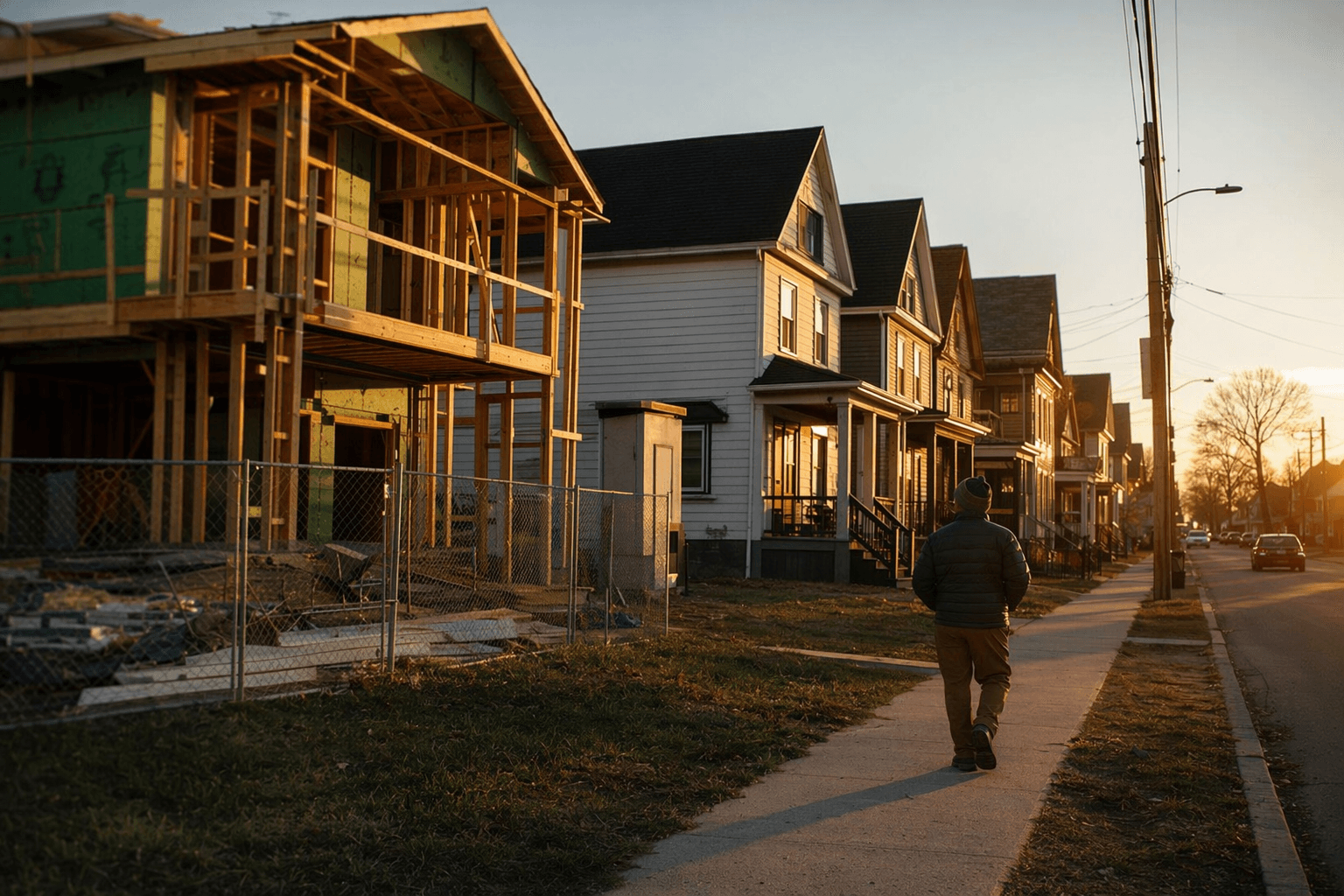
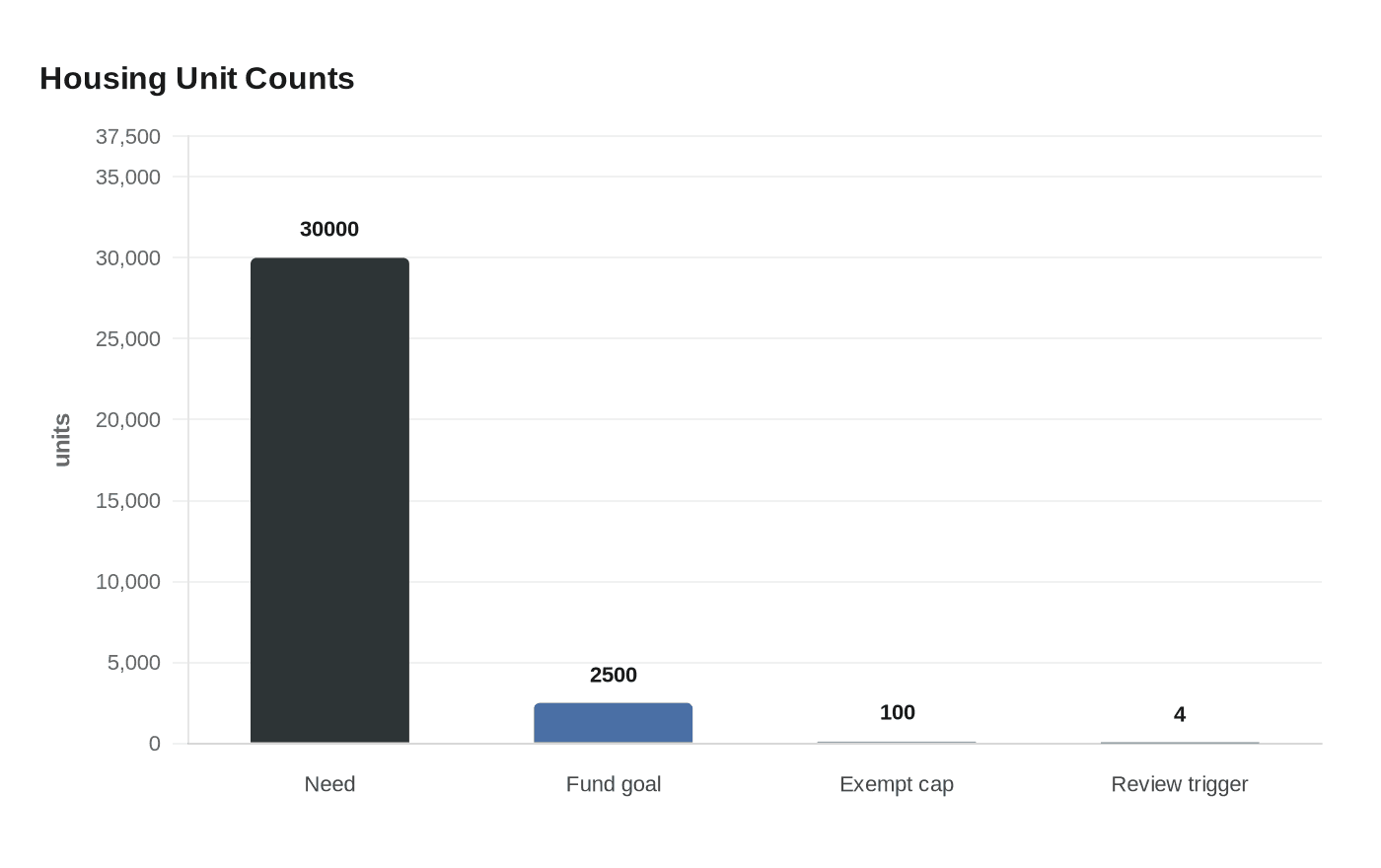
Hochul’s proposal would exempt certain projects from environmental review if they include up to 100 housing units on previously developed land connected to existing wastewater systems. Mixed-use projects with less than 50,000 square feet of nonresidential space would also be exempt. Under current rules, residential projects with more than four units, any commercial space or parking for more than 50 cars generally trigger review, a process critics and developers alike say can stretch timelines and add legal risk. Hochul has said major projects in New York can take as much as 56% longer to reach groundbreaking than in peer states.
The governor is casting the changes as part of her 2026 “Let Them Build” agenda, which she says would speed housing, infrastructure, clean water, green infrastructure and parks while preserving environmental safeguards. The debate comes as Micron’s own project has moved through a lengthy review process: the company broke ground on its first semiconductor fabrication facility in Clay on January 16, 2026, the state Department of Environmental Conservation issued SEQR findings on March 23, 2026 for related water-service and utility actions, and Micron’s Draft Environmental Impact Statement was released on June 25, 2025 after about 2.5 years of evaluation.
The housing response is already taking shape. Hochul launched the $150 million Housing Central New York Fund on February 19, 2026, seeded with $30 million from Empire State Development and $120 million from partners including Micron, with a goal of at least 2,500 workforce housing units over seven years in Cayuga, Cortland, Madison, Oneida, Onondaga and Oswego counties. A state housing study found the region may need 30,000 additional units, meaning annual construction would have to roughly triple.
The push has won backing from the New York State Association of Counties, the New York State Association of Towns, the New York State Conference of Mayors and dozens of local officials, while environmental advocates warn the rewrite could create broad loopholes and weaken review of projects that deserve scrutiny. For Syracuse, the stakes are immediate: faster approvals could help add homes before Micron workers arrive, but a weaker review system could also narrow the public’s ability to challenge projects in court as neighborhoods across Central New York grow.
This article was produced by Prism’s automated news system from verified source data, official records, and press releases, then run through automated quality and moderation checks before publishing. The system is built and supervised by the people who set the standards it runs under. Read our full AI policy.
Did this article answer your question?