Jordan Bramley Library grows as community hub in Onondaga County
Jordan Bramley Library is far more than a book stop: it is Jordan’s public living room, with internet, programs, and meeting space that many neighbors rely on daily.
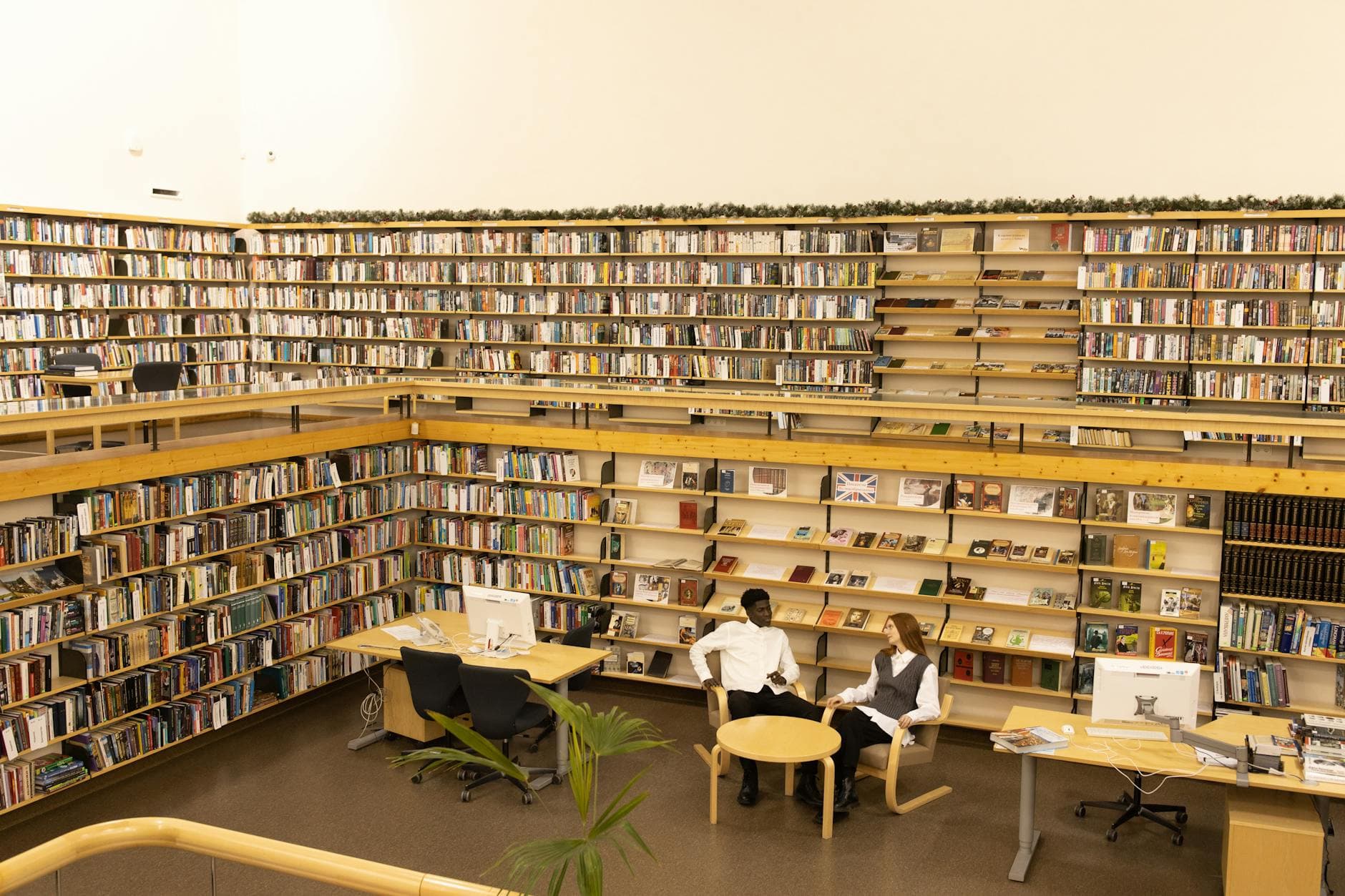
Jordan’s shared civic space
At 15 Mechanic Street, the Jordan Bramley Library does the work of a much larger institution. It is a wireless facility with a full range of library services and materials, a community room available for meetings, and a place where residents can study, connect, and get online without paying for a purchase first. In a village like Jordan, that combination matters because one small branch often serves as both a library and a gathering place.
The library’s reach goes beyond shelves and circulation desks. Current listings show computer access, preschool story programs, senior programs, and summer reading clubs for children and teens. That mix pulls in residents at very different stages of life, from families looking for an early-learning stop to older adults who need a dependable place to gather and use services.
Why this branch carries unusual weight
Jordan has long been a place where local institutions matter. During the Erie Canal era, especially in the 1830s and 1840s and again from 1870 to 1885, the village was a principal commercial, industrial, and transportation center in western Onondaga County. That history helps explain why a compact public space still holds civic importance today: Jordan has always depended on places where people cross paths, exchange information, and do practical business.
The library fits that pattern. It is one of the few shared spaces in the village where someone can attend an event, meet in a community room, use a computer, or simply spend time in a public setting that does not require spending money. For residents who rely on local access rather than driving farther into the county, that can be the difference between staying connected and being left out.
Programs that bring people in
The strongest sign of the library’s role is not just that it exists, but that people use it for different needs across the week. The branch’s offerings include story programs for preschoolers, senior programs, and summer reading clubs for children and teens, along with computer access and broader library services. Those are the kinds of programs that keep a small library relevant, because they meet practical needs while also creating routine opportunities to meet neighbors.
A community room available for meetings extends that value. It gives local groups a place to gather inside a public building that is already woven into village life. In a place with limited civic infrastructure, that kind of space can support everything from small meetings to informal community activity.
Leadership with local roots
The branch’s new director is Julianna Buchmann, who is known as Julie Buchmann. She is a Weedsport native and graduated from Marist College in May 2023 with a B.A. in psychology and minors in creative writing and theatre. That background matters for a small library that depends on programming as much as collection development.
A director with local roots and experience in the arts and writing brings a useful mix of perspective. Psychology can inform how a library reaches different age groups and uses space thoughtfully, while creative writing and theatre can strengthen programming that is welcoming, expressive, and accessible to families, teens, and older adults alike. In a branch this size, leadership can shape the tone of the whole institution.
Onondaga County Public Libraries lists Buchmann as director, and the branch’s board includes Tim Sullivan as president. That governance structure underscores that the library is not just a service point, but a local institution with oversight, continuity, and community responsibility.
A legacy built by necessity
The library’s identity is rooted in a simple problem that still feels familiar: people needed a nearby place to read, learn, and gather. According to the library’s history page, Jessica Edgarita Leland Bramley founded the Jordan Free Library in 1922 because, in her words, “We needed a library; as there was none.” That statement still captures the branch’s public purpose better than any marketing language could.
Bramley ran the library with volunteers and served as Jordan’s librarian for 55 years. Her work was tied to civic life well beyond the building itself, including involvement in local civic and historical organizations. That kind of long-term stewardship is part of why the library still carries such a strong sense of place.
The institution later moved in 1972 from the Village Hall to the Horace W. Whitley Memorial Building / Community Center, where it was renamed the Jessica Bramley Free Library. The change in name reflects the community’s effort to honor the woman who built the branch, while the move placed the library in a broader civic setting that still houses public activity today.
A building connected to Jordan’s past
The library’s location also ties it to the village’s physical history. A historical marker source says the site once held the Mechanic Street Garage, built in 1920 by Fred Allen. That detail gives the building a sense of continuity: a site that once served one kind of local function now serves another, with public use still at the center.
The Jordan Historical Society’s museum is adjacent to the library in the Horace W. Whitley Community Center, reinforcing that this corner of the village remains a hub for memory, learning, and local identity. For residents, that proximity makes the library part of a broader civic campus rather than an isolated stop.
What Jordan would lose if the branch did less
The value of a small library is easiest to see by imagining it reduced. If the Jordan Bramley Library did less, residents would lose a nearby place for internet access, children’s programming, senior activities, and informal community meetings. They would also lose one of the few public spaces in Jordan where people can gather without needing to buy anything.
That is why the branch’s importance extends well beyond books. It helps knit together the daily life of the village, offering practical services, social connection, and a steady presence in a community shaped by history but still dependent on modern access. In Onondaga County, where larger institutions often get the attention, Jordan’s library shows how a small branch can remain indispensable.
Visit and use the branch
The Jordan Bramley Library is located at 15 Mechanic Street in Jordan, NY 13080. Current hours are Monday through Thursday from 10 a.m. to 6 p.m., Friday from 10 a.m. to 4 p.m., and Saturday from 10 a.m. to noon; the branch is closed on Sunday. For a village library with deep roots and a wide local role, those hours frame more than convenience. They mark the daily window in which Jordan can still count on a public place that belongs to everyone.
This article was produced by Prism’s automated news system from verified source data, official records, and press releases, then run through automated quality and moderation checks before publishing. The system is built and supervised by the people who set the standards it runs under. Read our full AI policy.
Did this article answer your question?